Vietnam’s rise strikes a blow to central western China
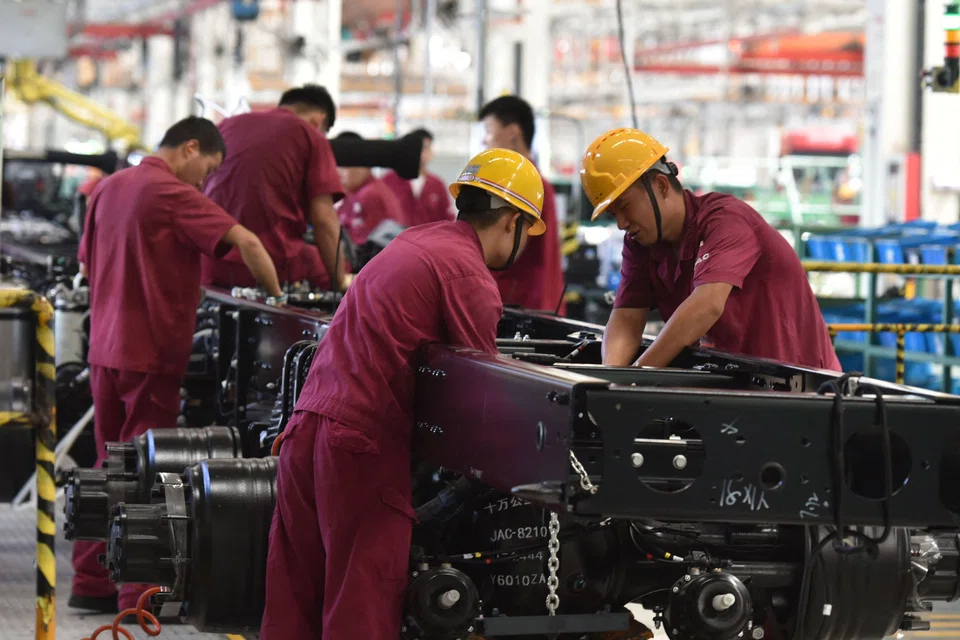
WHILE it seems like China will remain the world’s factory for now, despite the relocation of some low-end manufacturing to Vietnam and other South-east Asian nations, industrial development in the central western regions of China has already been affected.
Li Mingjiang, associate professor at the S. Rajaratnam School of International Studies, said that one objective of China’s Go West campaign is to move some industries from eastern coastal regions – once development there hits saturation point – to second and third tier cities in the less developed central western region.
But the pandemic and the China-United States trade war have led Western countries to step up efforts to diversify from China, leading to some low-end manufacturing operations being moved abroad. City and county-level economies in China’s central western region face severe challenges in industrialisation, said Li: “Even for basic or low-end industrialisation, there are very few opportunities.”
“This is an undesirable outcome,” he added. Economic development in that region is likely to lose momentum, causing local incomes to stagnate. The outflow of industries will dampen domestic consumption, deepen regional disparities, and lead to other macroeconomic issues.
But Xu Liping, senior research fellow at the National Institute of International Strategy at the Chinese Academy of Social Sciences, said: “To be precise, it’s a shift of orders, not industries.”
Xu told Lianhe Zaobao that many companies have manufacturing plants in both China and Vietnam, and when one plant is affected by the pandemic, customer orders are transferred to the other. These orders are also lower in value, with less value added – which means that despite the high output and trade figures for Vietnam’s manufacturing sector, profits are low, as reflected in Vietnam’s relatively low foreign exchange surplus.
Sim Tze Wei is the Associate China News Editor with Lianhe Zaobao. This article is part of a collaboration on a series of weekly features translated from Lianhe Zaobao. The original story first appeared on Jul 24.