Bets on Bank Indonesia rate hike ratchet up as rupiah hits record low
The central bank last raised its benchmark interest rate in April 2024

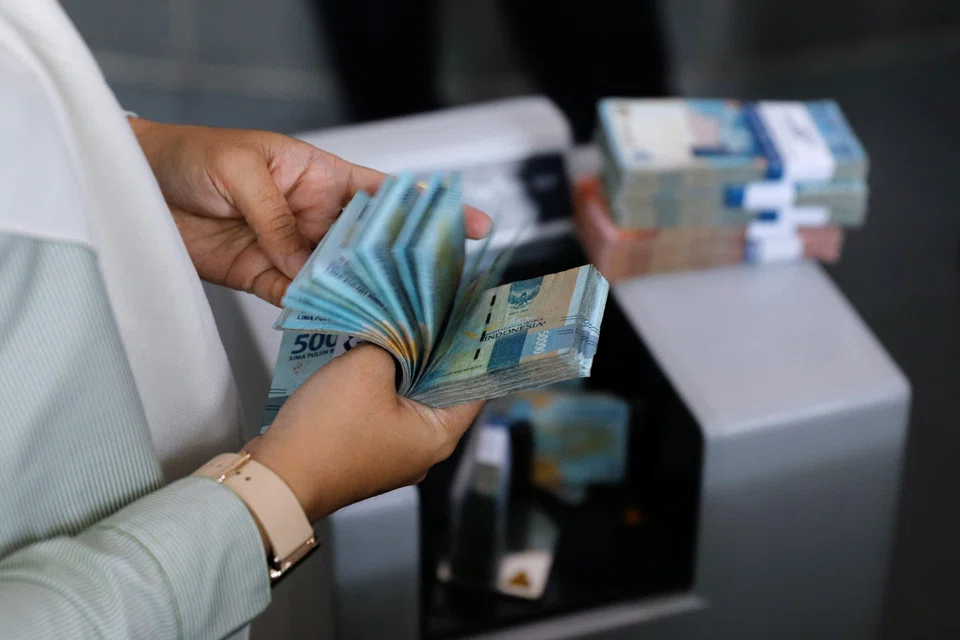
[JAKARTA] Bank Indonesia (BI) is facing mounting pressure to raise rates on Wednesday (May 20), as the rupiah’s fall to a historic low battered equities and forces policymakers to prioritise defending the currency over growth support.
Economists now expect that the central bank may raise its benchmark interest rate by 25 basis points to 5 per cent, marking a shift away from its recent accommodative stance as the rupiah sinks to record lows.
Radhika Rao, senior economist at DBS Bank, said the central bank’s next policy decision will likely focus on protecting currency stability rather than supporting growth, especially as domestic inflation remains relatively contained.
“Bank Indonesia is likely to prioritise currency stability at this month’s policy meeting, even as inflation remains benign,” Rao said.
Lavanya Venkateswaran, senior Asean economist at OCBC Bank, shares a similar view, expecting a 25 basis point rate hike as BI steps up efforts to counter depreciation pressures on the rupiah.
She said BI has been steadfast in trying to maintain rupiah stability through a range of measures, including higher rates on its short-term monetary instruments such as BI’s outstanding rupiah bills, known as SRBI.
“However, we now expect the central bank to move towards policy rate hikes as a stronger line of defence against currency pressures.”
BI last raised its benchmark interest rate in April 2024 and kept policy on hold until September that year, before shifting to a monetary easing cycle to support growth.
All time low
The Indonesian currency dropped to a fresh historic low on Monday, falling as much as 1.1 per cent to 17,658 per US dollar, making it the worst-performing currency in the region that day.

The sell-off also spread across domestic assets, with the Jakarta Composite Index tumbling as much as 4.8 per cent to its lowest level in more than a year before paring some of its losses by the close of trading on Monday.
The decline came as investors were rattled by a broader global sell-off driven by inflation concerns and surging energy prices linked to escalating geopolitical tensions involving Iran.
A team of analysts at Samuel Sekuritas Indonesia said the weakening rupiah is likely to remain a key concern. The brokerage expects the currency to weaken further over the coming months, projecting the rupiah to end 2026 at around 16,900 per US dollar, compared with 16,162 in 2024 and 16,470 in 2025.
“Indonesia’s economy is expected to remain volatile due to external factors such as geopolitical tensions and fluctuations in global commodity prices,” the brokerage wrote.
The global energy shock triggered by the war in Iran is also spilling over into the domestic economy, adding pressure on Indonesia’s fiscal position amid President Prabowo Subianto’s expansive spending programmes.
Authorities have pledged to maintain subsidised fuel prices at current levels through year-end to support purchasing power.
Fakhrul Fulvian, chief economist at Trimegah Sekuritas Indonesia, said that uncertainty over domestic energy pricing, subsidy policies and fiscal direction could be shifting the burden of adjustment largely onto the rupiah.
“The central bank may need to take a more hawkish and pre-emptive approach as currency pressures increasingly reflect broader concerns about macroeconomic policy credibility,” he said.
Indonesia’s energy import bill amounts to around US$40 billion annually, driven by combined imports of fuel and crude oil totalling about one million barrels per day. This heavy reliance on imports leaves the country highly vulnerable to spikes in the US dollar.
Going all out
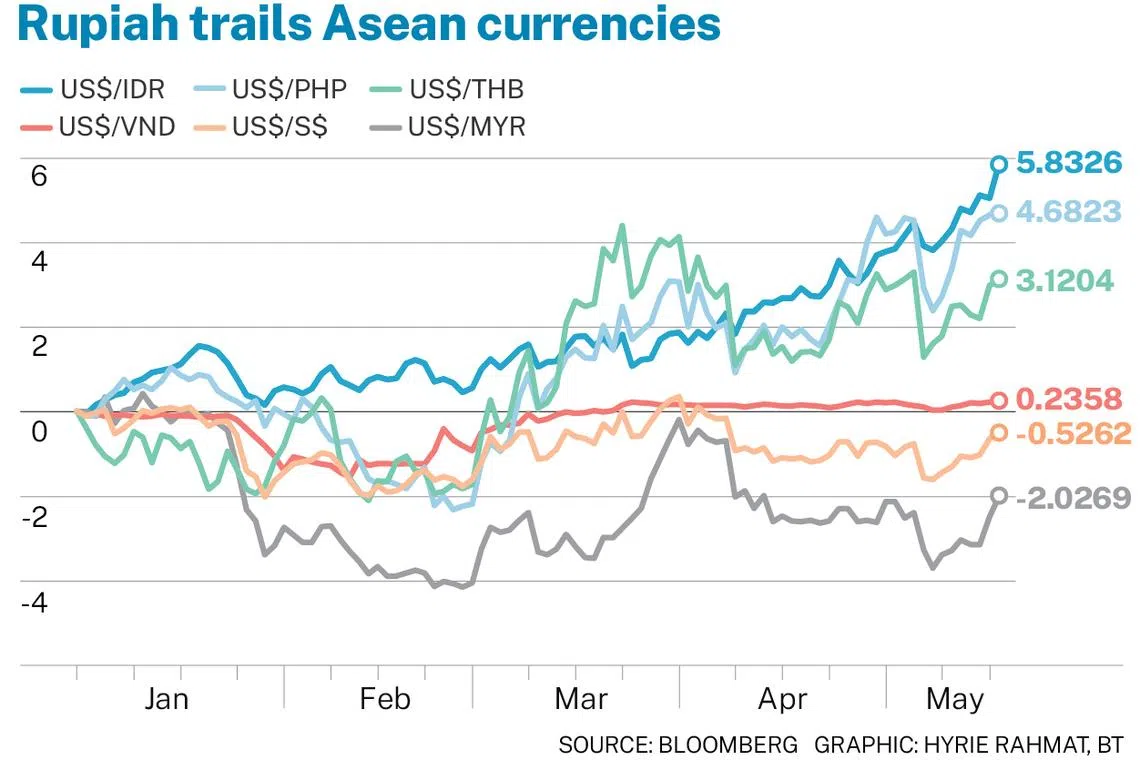
The rupiah has fallen more than 5 per cent so far this year, making it one of the region’s weakest-performing currencies despite BI’s multi-pronged defence through market intervention and monetary policy tools.
It ranks among the worst performers alongside the Philippine peso, which has also declined about 4.4 per cent year to date.
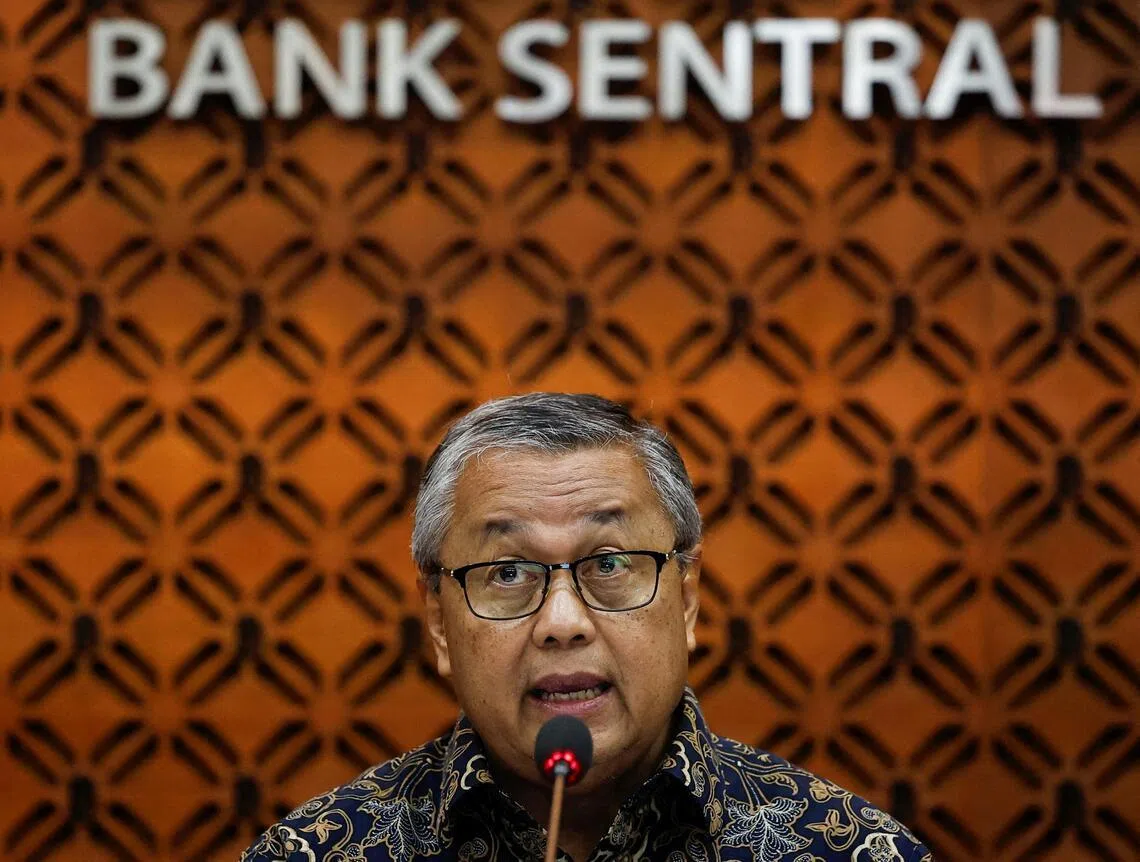
At a parliamentary hearing on Monday, Perry Warjiyo, governor of BI, said the central bank has “increased the dosage” of its currency interventions to support the rupiah, pledging further action if needed to stem the currency’s decline ahead of the bank’s policy meeting later this week.
“This is not business as usual. We are going all out,” Warjiyo said, adding that although Indonesia’s foreign exchange reserves have fallen by about US$10 billion so far this year, the level remains “more than adequate” to maintain market stability.
Weakening purchasing power
The weakening rupiah against the US dollar has raised concerns about purchasing power, as higher import costs could fuel inflation, particularly in food and energy, with low-income households seen as the most vulnerable.
Over the weekend, Prabowo sought to reassure the public about the currency’s decline, saying there was no need to worry about the weakening rupiah as villagers do not use US dollars in their daily lives.
However, analysts argue that the impact of a weaker currency will still be felt across the broader economy, including rural areas. Bhima Yudhistira, executive director of the Centre of Economic and Law Studies (Celios), said the effects of rupiah depreciation inevitably filter down to villages.
“Many rural communities remain dependent on imported goods such as fuel, LPG, fertiliser, motor vehicles and electronic products, making them vulnerable to currency swings,” he said.
Bhima also warned that potential waves of layoffs in urban areas could further strain rural economies. “The rupiah’s depreciation over the past year risks pushing unemployed workers back to their hometowns without stable jobs,” he said.
Decoding Asia newsletter: your guide to navigating Asia in a new global order. Sign up here to get Decoding Asia newsletter. Delivered to your inbox. Free.
Copyright SPH Media. All rights reserved.