



Fuel shock meets faith: Iran war drives up pilgrimage costs for South-east Asian Muslims
Surging oil prices are forcing airlines to balance rising costs with their commitment to transport pilgrims


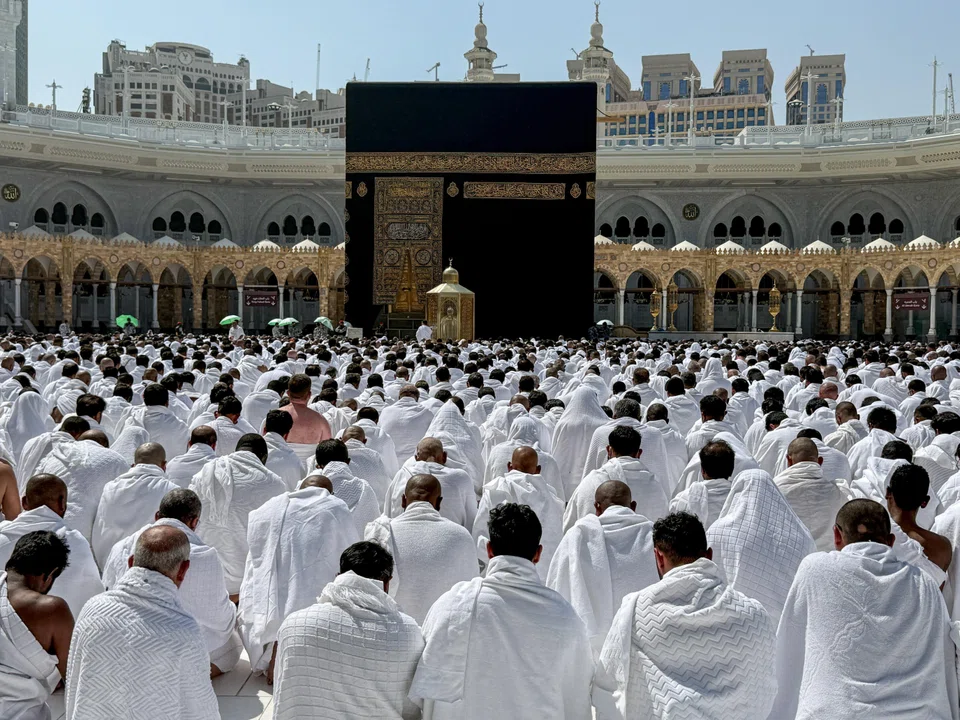
[JAKARTA/KUALA LUMPUR] The conflict in the Middle East is casting a shadow over one of the world’s largest religious travel markets, raising concerns that soaring fuel prices and geopolitical uncertainty could make the pilgrimage to Saudi Arabia significantly more expensive for millions of South-east Asian Muslims.
Higher jet fuel prices, a weakening currency and rising geopolitical uncertainty are driving up operating costs across the aviation and travel sectors.
Farid Aljawi, chairman of the Indonesia Haj and Umrah Travel Operators Association (Bershatu), estimated the actual operational cost of this year’s Haj may already be about 25 per cent higher than previous years. This is due to a combination of higher jet fuel prices, rupiah depreciation and rising service costs in Saudi Arabia.
Moving ahead as scheduled
Travel operators and airlines said pilgrimage trips this year are proceeding largely as planned, as arrivals gather pace ahead of the peak rituals in late May.
Saudi Arabia expects more than two million pilgrims from around the world, starting from late April. This is yet another major test faced by the annual pilgrimage; during the Covid-19 pandemic, the Kingdom severely restricted access and closed some holy sites.
Governments and airlines overseeing the annual Haj pilgrimage have pledged to ensure this year’s rituals go ahead despite mounting geopolitical tensions and surging oil prices, even as they monitor the situation and prepare contingency measures.
Muhammad Faishal Ibrahim, Singapore’s acting minister-in-charge of Muslim affairs, said contingency plans are being developed amid potential travel disruptions from Middle East conflicts.
“These include direct flights to and from Saudi Arabia, alternative ground transport options that are less susceptible to disruption, and closer coordination of pilgrims’ movements in Medina, Mecca and Jeddah.”
Dr Faishal added that should Haj be cancelled or disrupted this year, the government will work with the Association of Muslim Travel Agents Singapore to allow those affected to defer their travels to subsequent seasons, and explore possible refunds.
About 900 places have been allocated for the pilgrimage beginning in May, and a spokesperson for the Islamic Religious Council of Singapore said all visas have been issued. “To date, there have been no requests for cancellation and deferment from our Haj pilgrims,” the spokesperson said.
Cost turbulence
Indonesia, the world’s largest Muslim-majority country, is sending about 221,000 pilgrims for Haj this year, with the majority travelling under regular packages.
Indonesian President Prabowo Subianto said on Wednesday (Apr 8) that the government will shield pilgrims from rising costs, pledging to cut the Haj fee by about two million rupiah (S$148) per pilgrim this year. The cost stands at about 100 million rupiah per person, while would-be pilgrims often face a waiting time stretching up to 20 years.
The country also sends about two million Umrah pilgrims annually, making it one of the world’s largest pilgrimage markets, valued at around US$600 million a year.
Aviation fuel costs are up sharply this year, as global oil prices have surged above US$100 a barrel, up from around US$70 earlier. At the same time, rising geopolitical tensions have driven up war-risk insurance premiums for airlines operating routes to Saudi Arabia.
These additional costs are forcing airlines into a delicate balancing act between managing rising operating costs and honouring their commitment to transport pilgrims.
These costs are hitting airlines just as the rupiah weakens to 17,000 rupiah against the US dollar. With around 70 per cent of aviation operating costs denominated in US dollars, the currency depreciation is amplifying the financial pressure on Indonesian airlines.
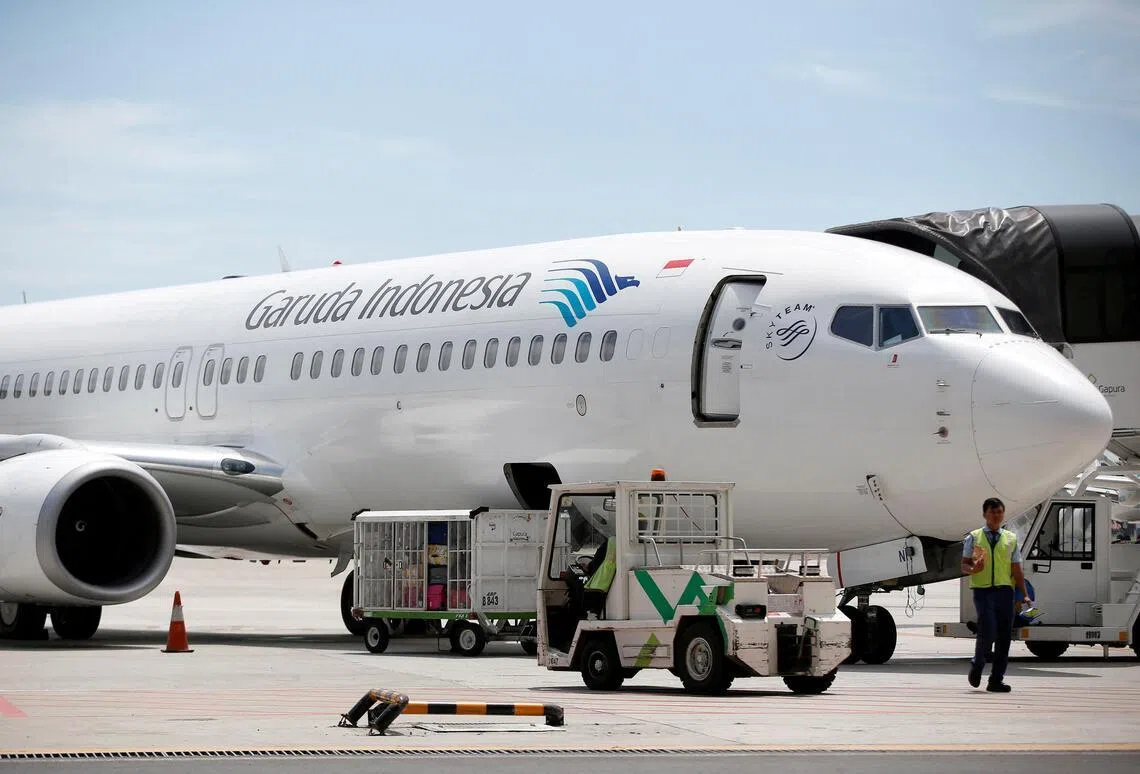
The country’s flag carrier Garuda Indonesia said surging aviation fuel prices have pushed airfares to Saudi Arabia up by as much as 7.9 million rupiah per pilgrim, prompting it to seek additional government subsidies for Haj passengers.
It added that even without route changes, costs are projected to rise by about 40 per cent, while rerouting to avoid conflict airspace could push them up by as much as 51 per cent.
Nasaruddin Bakar, CEO of Malaysia Aviation Group, the parent company of national carrier Malaysia Airlines, estimated that surging fuel prices have already driven expenses for its airlines up by about 40 per cent.
The group remains committed to operating Haj and Umrah flights through Malaysia Airlines’ subsidiary Amal, despite the higher fuel bill while reviewing the situation as needed, he added.
Malaysia Airlines also maintains regular flights to Jeddah and Medina, the two main gateways for pilgrims travelling to the holy cities. The airline temporarily suspended flights to Doha earlier in the conflict due to safety concerns, but has continued its pilgrimage services.
Faith over fear
For Muslims, Haj and Umrah are among the most sacred religious journeys, with Haj typically requiring a longer stay than the year-round Umrah pilgrimage.
In Indonesia, some prospective pilgrims and travel operators are growing increasingly anxious even as flights and tours continue largely as scheduled.
Prospective Haj pilgrim Wibi Pangestu said geopolitical tensions have raised concerns among his family but have not changed his plans, as performing the Haj is something he has long awaited. He is scheduled to depart for Saudi Arabia on Apr 25 for a stay of about 60 days.
“If flights continue to operate and the situation remains safe, we will proceed with our plans,” he said, adding that he has taken out more comprehensive travel insurance.
Direct flights offer a buffer
Industry players noted one factor helping to stabilise travel plans is the availability of direct flights from South-east Asia to Saudi Arabia. Direct flights provide greater certainty for travellers, compared with routes that involve stopovers in other regional airports that could be affected by airspace restrictions.
Airlines such as Saudia Airlines, Garuda Indonesia and Malaysia Airlines operate non-stop routes to pilgrimage gateways such as Jeddah and Medina, reducing reliance on transit hubs across the Middle East.
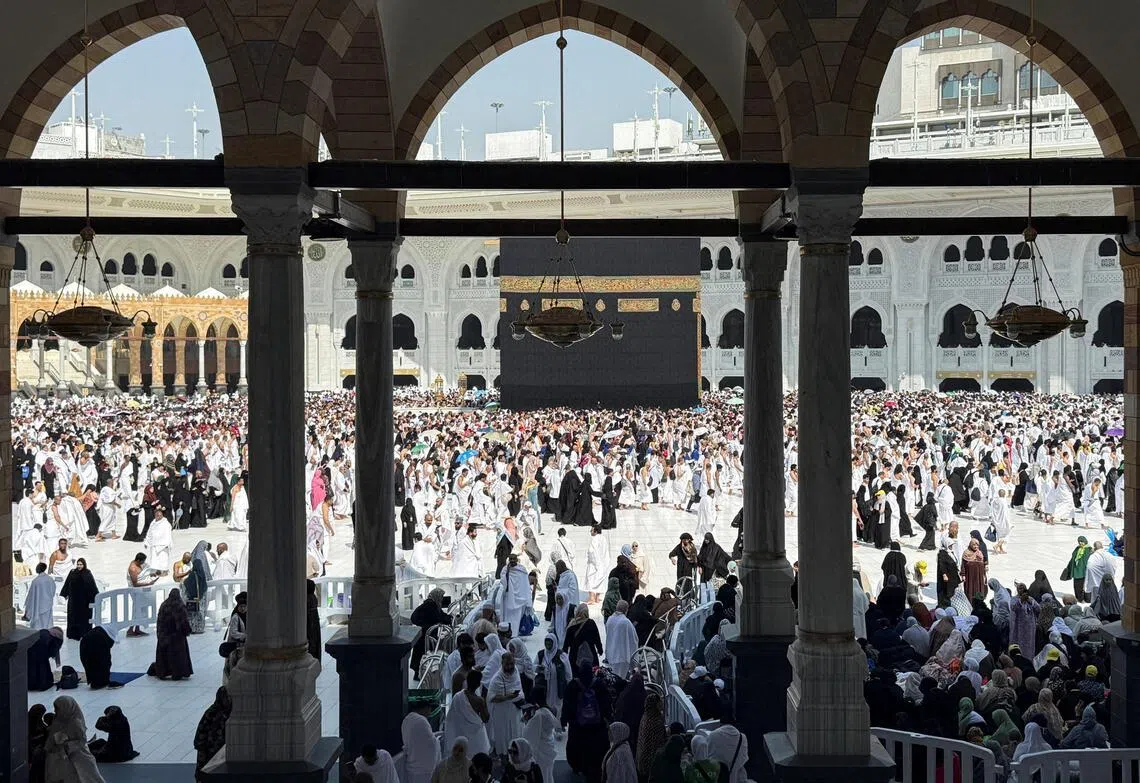
Although Iran, the US and Israel have agreed to a ceasefire, operators warned that the arrangement remains fragile, with the risk of renewed escalation still present amid lingering tensions and the potential for security disruptions.
Farid said the biggest concern is the possibility that Saudi Arabia could close parts of its airspace if regional tensions escalate further. Such a move would immediately disrupt flights across the region.
“It’s like a wheel that could suddenly stop turning,” Farid said. “As long as Saudi Arabia is not directly involved in the conflict, flights should continue. But the situation can change quickly.”
Future pilgrims may face higher bills
Industry players said the full impact of the current geopolitical turmoil is likely to unfold over the coming years.
Travel and tour operator Al Furqan Group’s Mohd Hizzat Mohd Shah said rising fuel and travel costs could gradually push up pilgrimage package prices over time, with airfares and related expenses expected to rise by at least 5 to 10 per cent if oil prices stay elevated.
“Cost pressures are expected to affect future pricing, particularly airfares, which account for about 60 per cent of Umrah package costs. Any increase in airfares will directly impact overall package prices,” the managing director said.
Farid said demand for Umrah trips from Indonesia could soften next year as economic pressures at home begin to weigh on household spending and travel costs continue to rise.
“There is potential for some pilgrims to postpone their Umrah plans or seek more affordable travel options, such as shorter travel durations, economy-class flights or accommodation further away from the holy sites,” Farid said.
Mohd Azri Abd Razak, vice-president for Umrah and Haj pilgrimage at the Malaysian Association of Tour and Travel Agents, said industry estimates point to a potential 11 to 27 per cent decline in inbound travel from the Middle East in 2026 if regional conflicts persist.
Additional reporting by Elysia Tan
TRENDING NOW

Mooted COE changes will solve category issues, but higher premiums likely: observers

Grab CEO’s wife Chloe Tong on life with Anthony Tan and finding her purpose

Once staunchly pro-China, Malaysian Chinese businesses are now distancing themselves from Beijing

Cliff Tan has 7 million followers and a 4-month waitlist. Why won’t he expand his business?

