



Hanoi orders 20% surge in IP enforcement cases in May after US warning
This is part of a nationwide campaign to combat intellectual property violations

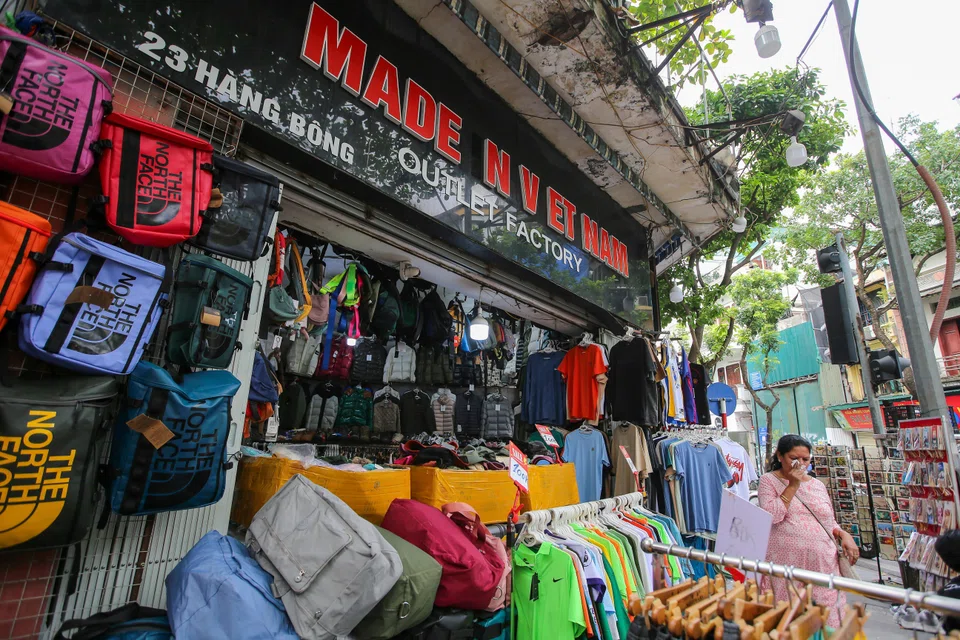
[HO CHI MINH CITY] Hanoi has ordered a nationwide crackdown on intellectual property (IP) violations in May, mandating at least a 20 per cent year-on-year jump in enforcement cases for the month.
This comes after the US – Vietnam’s largest export market – placed the country in its most severe monitoring category.
Deputy Prime Minister Ho Quoc Dung on Tuesday (May 5) signed a directive launching a coordinated campaign from May 7 to 30 targeting counterfeit goods, copyright piracy and trademark infringements.
A report on the campaign’s results is due by May 31.
“IP violations remain complex in some sectors and localities, significantly affecting the investment and business environment, as well as the legitimate rights and interests of individuals, enterprises and related organisations,” the directive noted.
The move comes less than a week after the Office of the United States Trade Representative, in its 2026 special report on the state of IP protection and enforcement among trading partners, designated Vietnam a Priority Foreign Country.
This is the first such label for any nation in 13 years, citing “most onerous or egregious” acts, policies, or practices with the greatest “actual or potential” adverse impact on US products.
The designation opens the door for a potential investigation under Section 301 of the Trade Act of 1974 within 30 days to target alleged unfair trade practices – a move that could pave the way for fresh tariffs.
Goods from the South-east Asian country currently face a 10 per cent baseline tariff in the US after steeper “Liberation Day” reciprocal levies were struck down by the US Supreme Court in February.


Vietnam earlier pushed back on the latest IP assessment, with Foreign Ministry spokesperson Pham Thu Hang saying on May 1 that the country is cooperating with the US, and calling for an “objective and balanced” review of its efforts and achievements in IP rights protection.
The latest directive signals a more aggressive enforcement stance. Police are tasked with investigating major cases and dismantling high-traffic piracy websites, including platforms distributing pirated films, music, mobile games and television programmes.
Border forces and customs officials will tighten inspections of imported and exported goods to intercept counterfeits, with powers to suspend clearance when violations are detected.
Courts and prosecutors are instructed to expedite high-profile cases to ensure deterrence, while the culture ministry will conduct inspections on compliance, with copyright regulations covering computer software, films, music, television programmes and online video games.
Market surveillance units under the trade ministry will intensify checks on counterfeit goods, with a focus on industrial property rights and trademark infringement.
The authorities must submit daily reports on major cases to the Ministry of Science and Technology, which will compile weekly updates for the prime minister.
Decoding Asia newsletter: your guide to navigating Asia in a new global order. Sign up here to get Decoding Asia newsletter. Delivered to your inbox. Free.
Copyright SPH Media. All rights reserved.
TRENDING NOW

Once staunchly pro-China, Malaysian Chinese businesses are now distancing themselves from Beijing

Looking beyond looming CEO succession, should UOB potentially pursue a transformative merger?

Could stablecoins be the future of money?

Grab CEO’s wife Chloe Tong on life with Anthony Tan and finding her purpose

