



Hormuz crisis spurs Thailand to fast-track long-standing landbridge project
The plan involves linking two new seaports via a rail and road network across Thai’s southern peninsula
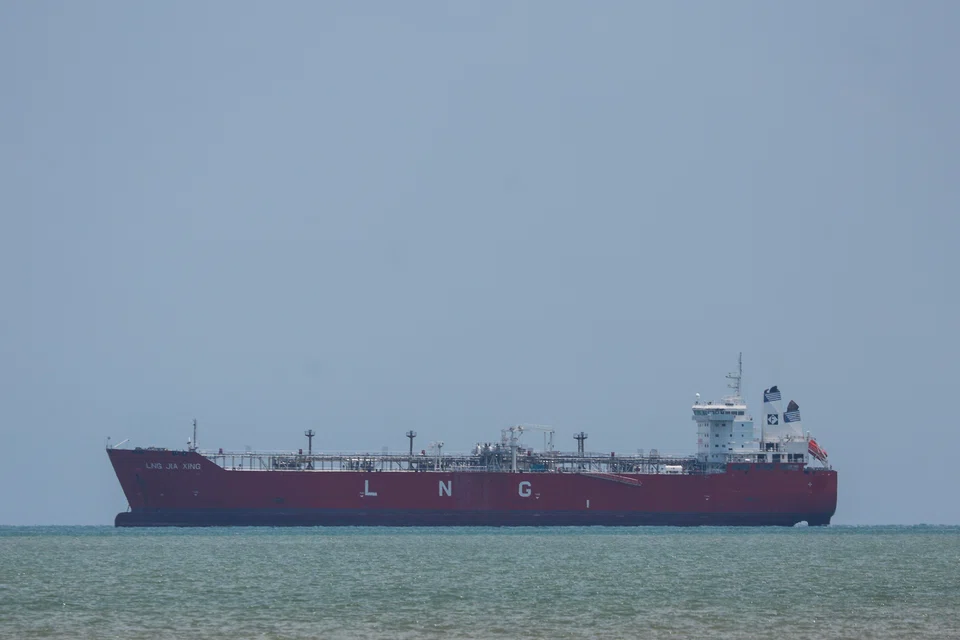
[BANGKOK] Thailand will press ahead with a long-standing plan to link the Indian and Pacific oceans, bypassing the Malacca Strait, after tensions over the Strait of Hormuz highlighted the strategic value of key shipping routes, a senior minister said.
The government will accelerate efforts to develop the so-called landbridge, a project aimed at significantly reducing shipping times between the two oceans, Deputy Prime Minister Phiphat Ratchakitprakarn, who oversees the transport ministry, told reporters on Monday (Apr 20). The initiative may cost as much as one trillion baht (US$39.6 billion), he said.
Once completed, the project may allow vessels to avoid the congested Malacca Strait, shorten transit times by an average of four days, and cut shipping costs by about 15 per cent. The strait currently handles roughly 40 per cent of global trade, including most oil shipments from the Middle East to major Asian economies such as China, Japan and South Korea.
The Thai plan involves linking two new seaports on either side of Thailand’s southern peninsula through a network of highways and railways, enabling the seamless movement of goods. However, critics argue the project may be economically unviable and could cause significant environmental damage.
“The Middle East conflict has demonstrated the advantage of controlling a transport route,” Phiphat said, referring to the chaos in the Strait of Hormuz that’s worsened a global energy crisis. “Thailand will have a great advantage by operating the link between the Pacific Ocean and the Indian Ocean.”
To move the project forward, the government must first pass enabling legislation. Phiphat said the Cabinet is expected to approve a draft Bill later this year. Construction of the landbridge could take about 15 years to complete, according to earlier estimates.
SEE ALSO





Given limited fiscal capacity, the government plans to invite private sector participation through a bidding process. Several countries, including the United Arab Emirates, have expressed interest during previous roadshows, Phiphat said.
Companies including DP World and Hong Kong’s New World Development are interested in the project, according to Thai officials.
“A project of this scale will also drive investment and job creation,” Phiphat said. “We estimate it could generate around 200,000 new jobs.” BLOOMBERG
Decoding Asia newsletter: your guide to navigating Asia in a new global order. Sign up here to get Decoding Asia newsletter. Delivered to your inbox. Free.
Share with us your feedback on BT's products and services
TRENDING NOW

Mooted COE changes will solve category issues, but higher premiums likely: observers

Grab CEO’s wife Chloe Tong on life with Anthony Tan and finding her purpose

Once staunchly pro-China, Malaysian Chinese businesses are now distancing themselves from Beijing

Cliff Tan has 7 million followers and a 4-month waitlist. Why won’t he expand his business?

