



Indonesia issues technical regulations to centralise coal, palm oil, ferroalloy exports
Exporters are now obliged to report their export activities to a state firm appointed by the government
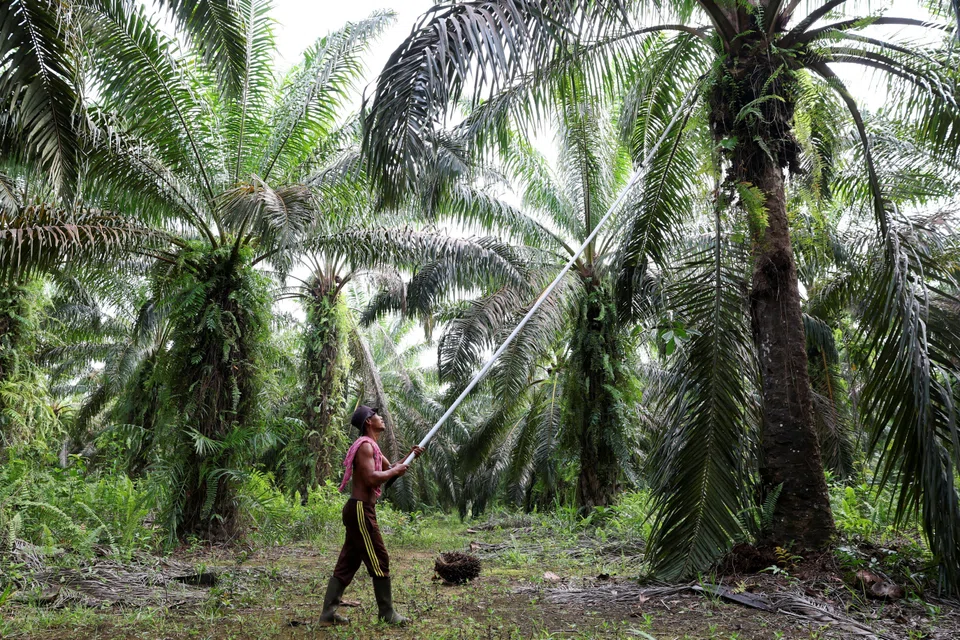
[JAKARTA] Indonesia’s Trade Ministry published technical regulations on Monday (Jun 8) to bring coal, palm oil, and ferroalloy exports under the control of a central government-owned firm.
All three technical regulations have been in effect since Jun 1, with exporters of those commodities now obliged to report their export activities to a state firm appointed by the government.
The state secretariat ministry last week issued broader regulations to enable all commodity exports to be channelled through a central government agency.
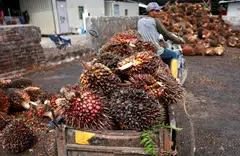
The affected products include crude palm oil, refined, bleached, deodorised palm oil (RBDPO), refined, bleached, and deodorised palm olein (RBDPL), and palm oil residues, the regulation said.
Palm oil export permits are granted based on compliance with the domestic market obligation whereby exporters must provide supplies for the government’s cheap cooking oil programme.
Export rights can be transferred to the state firm appointed by the government or to other companies by filling in all the details required on the website of Indonesia National Single Window.
Exports are subject to export duties as regulated by relevant ministries.
When there is a change in export approval, the state firm appointed will be responsible for the accuracy and compliance of required documents submitted by related companies.
State firms or exporters that already have permits to export must submit realisation reports every month to the trade ministry, and they must include data about the type of product, quantity, export value, destination country, and tariff posts.
SEE ALSO




If realisation reports are not submitted, the firms will be given a warning. If the reports are still not submitted within 30 days of the warning, their export permits may be frozen until they comply.
The transition period is until Dec 31, 2026, during which companies can still carry out exports. After Dec 31, only the state firm appointed by the government will be allowed to export.
Existing export permits issued prior to this regulation are still valid until they expire. REUTERS
Decoding Asia newsletter: your guide to navigating Asia in a new global order. Sign up here to get Decoding Asia newsletter. Delivered to your inbox. Free.
Share with us your feedback on BT's products and services
TRENDING NOW

LTA proposes combining car COE categories, adding rebate-surcharge system

StarHub to acquire MyRepublic’s mobile business amid ongoing telco consolidation

DBS, OCBC, UOB rout lops billions off STI as inflation, rate concerns spook investors

Grab CEO’s wife Chloe Tong on life with Anthony Tan and finding her purpose

