Asean Business logo
SPONSORED BYUOB logo

Indonesia races to secure new funding for energy transition after US exit from Paris Agreement

With American funding in doubt, Indonesia is turning to Japan, South Korea and China to keep its coal phase-out and renewable energy goals on track

Summarise
Elisa Valenta
Published Tue, Feb 4, 2025 · 01:10 PM
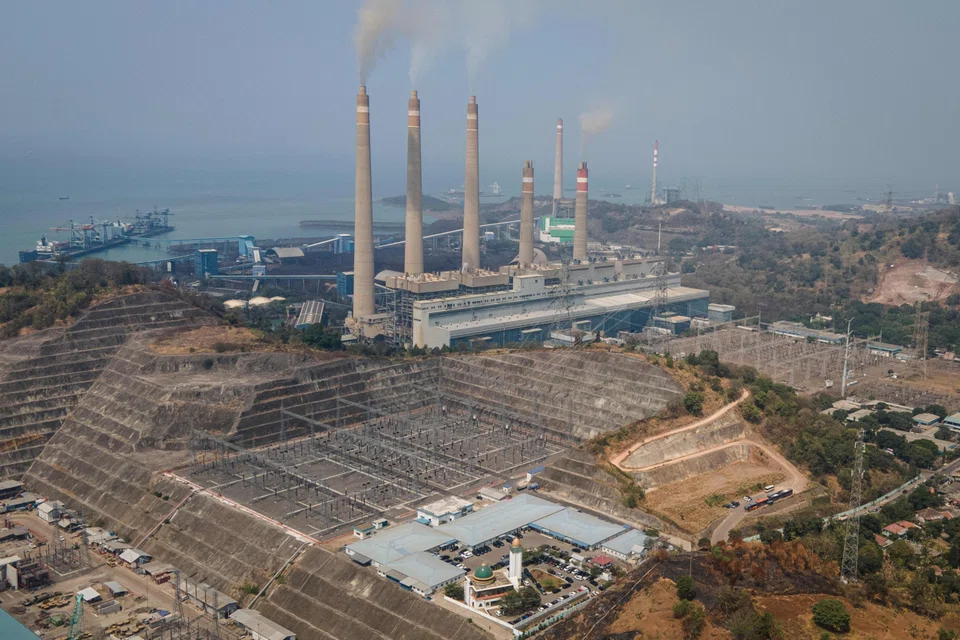
    • The funds would be used to finance the early decommissioning of 13 coal-fired power plants, with an estimated cost of US$4.6 billion.
    • The funds would be used to finance the early decommissioning of 13 coal-fired power plants, with an estimated cost of US$4.6 billion. PHOTO: AFP

    [JAKARTA] Indonesia’s agenda to phase out coal and ramp up renewable energy is facing fresh uncertainty as the US’ withdrawal from the Paris Agreement threatens key funding under the Just Energy Transition Partnership (JETP).

    With a US$20 billion commitment – originally pledged at the 2022 Group of 20 (G20) summit – hanging in the balance, experts said Indonesia must now look to alternative financiers from countries such as Japan, South Korea and China to stay on track with its net-zero ambitions.

    The funds would be used to finance the early decommissioning of 13 coal-fired power plants, with an estimated cost of US$4.6 billion.


    “The JETP agreement is not solely dependent on the US, as many other countries and international funding institutions are equally committed to supporting Indonesia’s energy transition through this initiative,” said Fabby Tumiwa, executive director of the Institute for Essential Services Reform.

    The US, together with other major players including the European Union, has been pivotal in JETP, a global effort aimed at helping developing nations shift from fossil fuels to cleaner, more sustainable energy.

    While Indonesia has made strides in securing financing – such as the Asian Development Bank’s (ADB) support for the early retirement of the Cirebon-1 coal plant – experts warned that sustaining the momentum will require strong regulatory frameworks and a clear investment road map.

    Mutya Yustika, an energy finance specialist at the Institute for Energy Economics and Financial Analysis, said Indonesia has the opportunity to seek funding from other countries, such as China and those in the Middle East, while also boosting the role of the private sector, particularly foreign investment, to help finance the energy transition.

    However, she noted that supportive regulations and a favourable investment climate are essential to attract greater private investment into Indonesia.

    “This includes transparent policies, fiscal incentives and legal certainty to attract investors and ensure the long-term sustainability of renewable energy projects,” she said.

    Dilemma for green goals

    Indonesia’s Minister of Energy and Mineral Resources Bahlil Lahadalia said at a media briefing on Monday (Feb 3) that the US’ withdrawal from the Paris Agreement has created uncertainty around the development of renewable energy.

    While the country is open to reducing its reliance on coal, he said this transition will depend on securing the necessary financial support.

    “This is certainly a dilemma, but reaching net-zero emissions is non-negotiable. We cannot turn back,” he added.

    He also said that the government remains committed to the ADB-funded decommissioning of the 660-megawatt Cirebon-1 coal plant by 2035, seven years ahead of the original plan.

    Eniya Dewi, director-general of new renewable energy at the Ministry of Energy and Mineral Resources, stated that Indonesia is currently seeking alternative financing from major Asian countries – particularly Japan, which has shown interest in supporting the early retirement of coal-fired power plants.

    Officials stated that the early shutdown of the Cirebon-1 coal plant could generate up to US$198 million in new investments in solar panels and battery storage, while creating up to 40,000 new jobs.

    No turning back

    Indonesia’s President Prabowo Subianto, who took office last October, has accelerated the country’s climate ambitions, aiming to significantly boost renewable energy production and phase out coal by the end of the next decade.

    Tumiwa stressed that the climate policies of the world’s largest carbon emitters, particularly those within the G20, will be pivotal in shaping the future of global efforts to mitigate and adapt to climate change.

    But he urged the Indonesian government not to waver in the wake of US President Donald Trump’s decision to withdraw from the Paris Agreement. He also called on the government to strengthen its commitment to transitioning to energy sources that will achieve net-zero emissions by 2060, or even sooner.

    Last year, Indonesia attracted US$1.8 billion in foreign investment in the new and renewable energy sector, based on data from the Ministry of Energy and Mineral Resources. This was a slight increase from the US$1.5 billion secured in 2023, reflecting steady growth in the sector.

    Clean ambition

    Indonesia is set to lean heavily on private investors for its ambitious plan to expand power capacity by 71 gigawatts (GW) over the next decade, while the government focuses on strengthening transmission networks for renewable energy generation.

    Bahlil highlighted that the state utility company, PLN, has developed a power supply plan for 2025 to 2034, which includes 71 GW of new capacity and 48,000 circuit-kilometres of transmission lines. This expansion will require an investment of around 450 trillion rupiah (S$37.4 billion).

    Currently, Indonesia’s total installed power capacity is 101 GW, with PLN managing about 75 GW. Renewables make up some 15 per cent of the energy mix, while coal accounts for more than half of the total capacity.

    Up to 70 per cent of the upcoming power plants will be powered by renewable energy, with potential sources such as solar and nuclear power.