



Indonesia’s captive power plants putting energy transition at risk, researchers say
The country aims to reach net-zero emissions by 2060
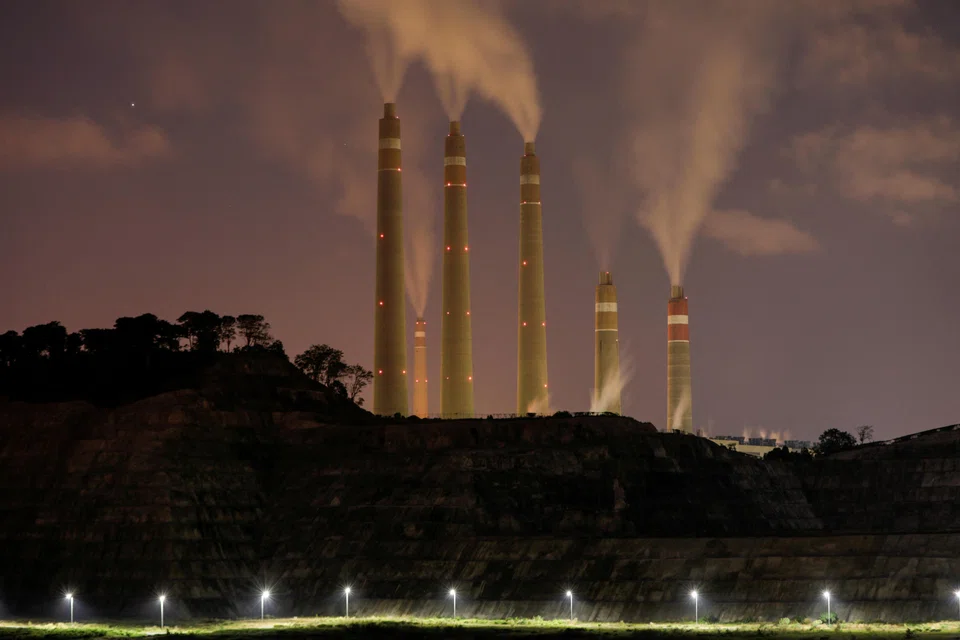
[JAKARTA] Efforts to decarbonise Indonesia’s power sector have been put at risk by a faster than expected increase in the number of off-grid coal power plants and a lack of transparency when it comes to cutting their emissions, researchers said on Tuesday (Jan 27).
Indonesia’s captive power plants are built by industries to generate electricity for their own use, and they have increased in rapid numbers in recent years, driven in particular by the boom in the country’s nickel industry.
But it has found it difficult to monitor the number of new captive plants coming on line and implement transparent emission reduction plans, according to a report by the Centre for Research on Energy and Clean Air (Crea) and Global Energy Monitor (GEM).
“It is impossible to plan for the replacement of coal plants with renewable energy alternatives without first understanding the existing and planned coal capacity landscape,” said GEM researcher Lucy Hummer.
The report said that Indonesia has underestimated the number of captive coal plants now in the pipeline, with the total capacity of its operational fleet as well as those under construction or at the planning stage now at more than 31 gigawatts (GW).
The figure exceeds a 2024 estimate of around 28.6 GW by the secretariat of the Just Energy Transition Partnership (JETP), a 2022 agreement signed by Indonesia and a number of developed countries to help finance its shift away from fossil fuels.
Indonesia, one of the world’s biggest greenhouse gas emitters and the top exporter of thermal coal, aims to reach net-zero emissions by 2060 and has pledged to stop commissioning new coal-fired power plants.
But the captive power sector was exempted from the pledge, as long as plants commit to reduce emissions by 35 per cent within 10 years of operation.
Crea and GEM said that there is currently no public evidence or monitoring framework available to verify that the plants are making the required emission cuts, saying that it “risks signalling a wavering commitment and a diluted will”.



Captive power plants were initially excluded from Indonesia’s JETP initiative, and a non-binding plan published in November suggested Indonesia would need an estimated US$31 billion of investment by 2030 to begin their transition to renewables. REUTERS
Decoding Asia newsletter: your guide to navigating Asia in a new global order. Sign up here to get Decoding Asia newsletter. Delivered to your inbox. Free.
Share with us your feedback on BT's products and services
TRENDING NOW

Once staunchly pro-China, Malaysian Chinese businesses are now distancing themselves from Beijing

Looking beyond looming CEO succession, should UOB potentially pursue a transformative merger?

Could stablecoins be the future of money?

Grab CEO’s wife Chloe Tong on life with Anthony Tan and finding her purpose

