



Indonesia’s EV dream hits a bump as government claws back tax perks
The zero-tax mandate removal could undermine the country’s energy transition goals, say analysts

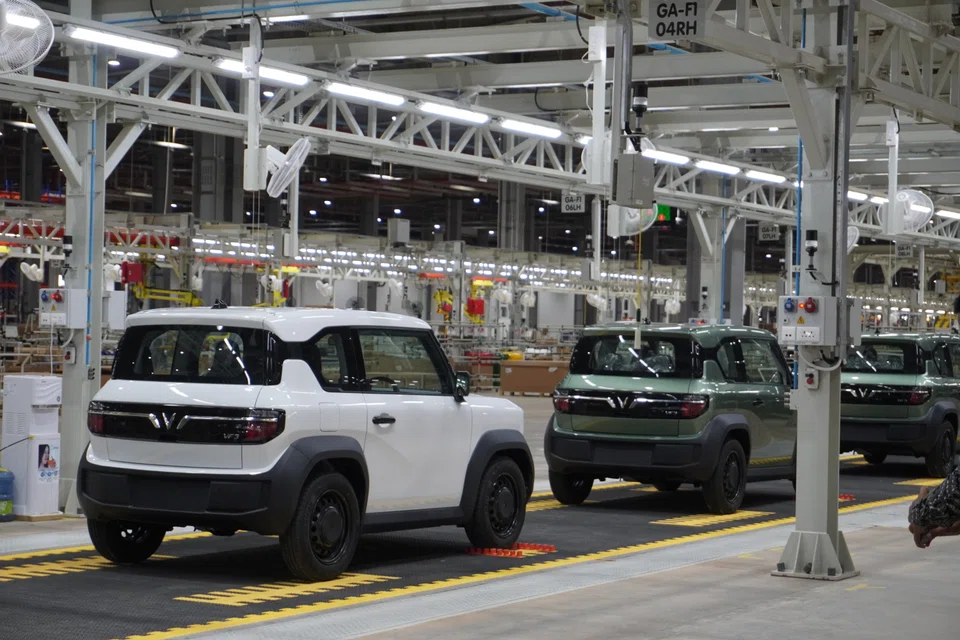
[JAKARTA] Indonesia’s push to accelerate electric vehicle adoption suffered a setback recently after the government scrapped a tax exemption for EVs.
The move is expected to drive prices higher, potentially dampening demand in South-east Asia’s largest automotive market.
The policy emerges against a backdrop of tighter central government budgets, with reduced fiscal transfers to regional authorities.
The change, which took effect early April, ends the automatic tax exemption on vehicle ownership and title transfer fees previously granted to battery EV.
Analysts said the new regulation could translate into higher on-the-road prices for EVs, potentially weakening their competitiveness against conventional vehicles and creating an additional hurdle for the country’s energy transition.
Yannes Martinus Pasaribu, an automotive expert and lecturer at the Bandung Institute of Technology, estimated that the new tax regime could increase battery-based EV prices by around 5 to 15 per cent.
He noted the impact will be most significant in the entry-level and mid-range segments where EV adoption has been growing.
“Price remains the dominant factor influencing purchasing decisions in Indonesia,” Dr Yannes said. “Consumers are highly sensitive to upfront costs as well as total cost of ownership, including taxes, insurance and financing.”
The move marks a reversal of Indonesia’s earlier policy stance, which had sought to accelerate EV adoption through fiscal incentives.
The incentives were initially part of a broader government push to build a domestic EV ecosystem, anchored on the country’s vast nickel reserves, a key raw material for EV batteries.
However, as EV sales continue to rise, particularly in major cities, policymakers have begun reassessing the fiscal implications of maintaining these tax exemptions.
Under the new rules, the amount of tax imposed will be determined by individual regional governments, leading to varying rates across the country.
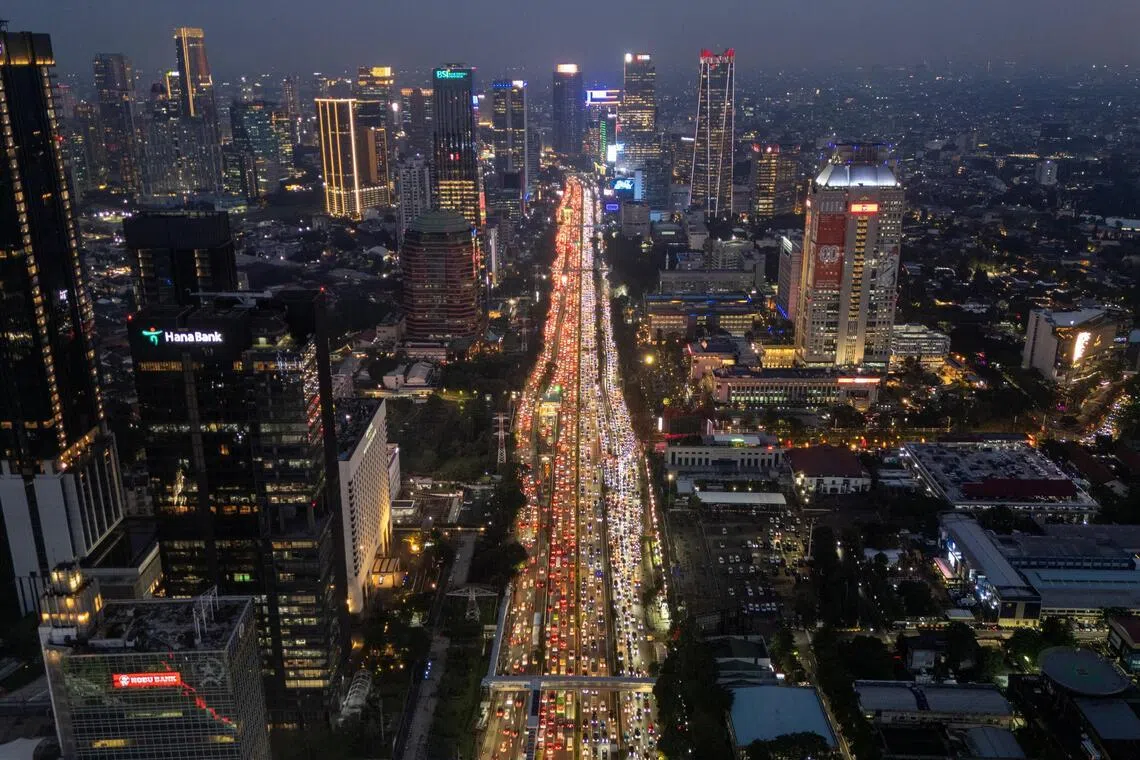
Although the technical details of the regulation have yet to be released by regional authorities, Jakarta, which has the highest traffic congestion levels in South-east Asia, is expected to impose higher taxes, particularly on second and subsequent vehicle ownership.
Tax added to the tab
In Indonesia, the on-the-road price of vehicles includes various administrative costs, including motor vehicle tax and title transfer fees.
For comparison, the annual vehicle tax for internal combustion engine cars in Indonesia is generally set at 2 per cent of the vehicle’s sales value for the first car, and increases progressively for additional vehicles.
Pasaribu warned that as entry-level EV prices rise, hybrid cars could become a more attractive alternative for consumers, as the narrowing price gap may shift consumer preferences towards hybrids.
Currently, some of the most affordable electric cars in Indonesia, including the five-seater BYD Atto 1, are priced from around 200 million rupiah (S$14,823), while larger electric SUVs and MPVs typically cost above 350 million rupiah.
For comparison, the seven-seater Suzuki XL7 Hybrid starts at around 267 million rupiah, while Toyota’s Veloz Hybrid is priced from about 308 million rupiah, making them increasingly competitive against entry-level EVs.
Last year, the country sold more than 100,000 electric cars, up 141 per cent from 2024, with China’s BYD emerging as one of the top-selling brands.
Net-zero target at risk
The Institute for Essential Services Reform (IESR), an energy transition think tank, described the removal of the zero-tax mandate as a regulatory setback that could undermine Indonesia’s energy transition goals.
“This policy is a regulatory regression that threatens Indonesia’s energy transition targets,” said Fabby Tumiwa, IESR’s executive director. He added: “Maintaining tax exemptions is crucial to attract consumers and reduce the government’s fuel subsidy burden.”
Indonesia has set ambitious goals to deploy two million electric cars and 13 million electric motorcycles by 2030, as part of efforts to reduce fuel imports and cut greenhouse gas emissions.
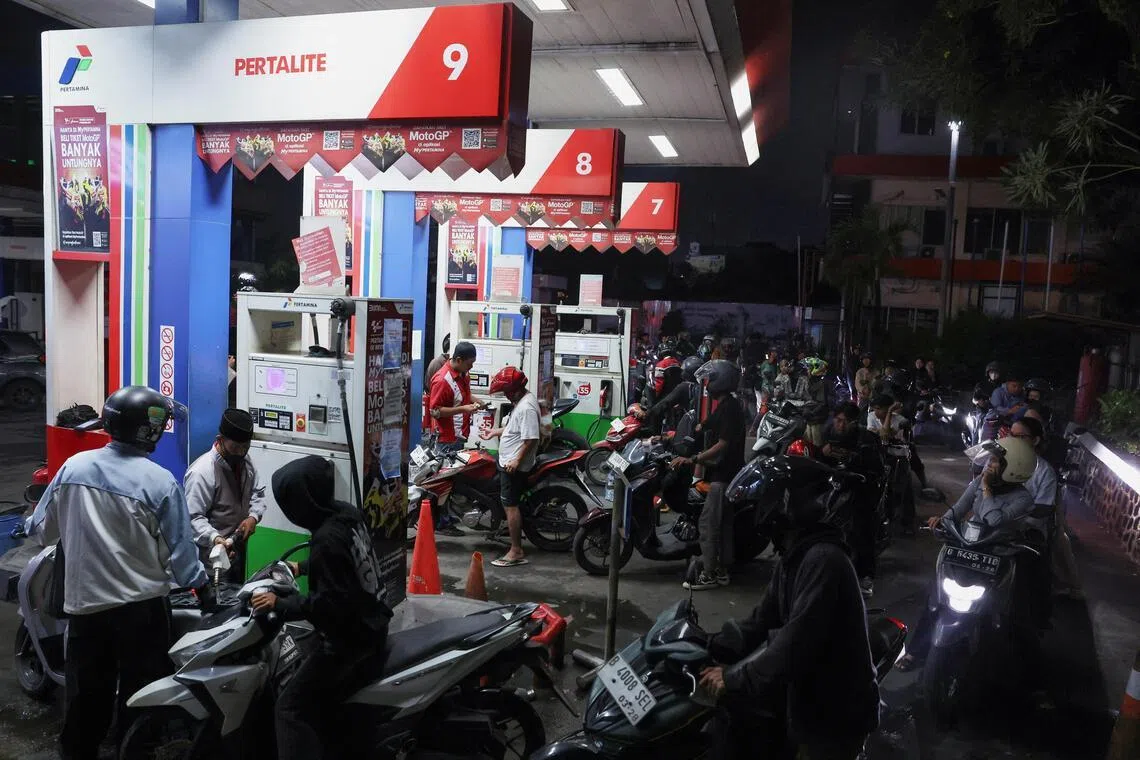
According to IESR analysis, achieving these targets could save Indonesia up to 49 trillion rupiah in fuel import costs and reduce fuel subsidy spending by 18.3 trillion rupiah annually.
The think tank warned that shifting from a national zero-tax policy to a system dependent on the fiscal preferences of individual governors could disrupt price parity and slow adoption during a critical growth phase.
He said regulatory inconsistency could also affect investor confidence in Indonesia’s rapidly developing EV ecosystem, which includes battery manufacturing, vehicle assembly and charging infrastructure.
“If regulations change every few years, it will undermine both consumer confidence and investor trust,” Fabby said.
Recently, Jakarta also scrapped tax incentives for imported battery electric cars, effective January this year. The move is expected to push foreign brands to localise production and establish manufacturing facilities in Indonesia.
Indonesia’s EV sector has attracted significant foreign investment in recent years, including more than US$2 billion from seven global automakers to build production facilities. Major players such as BYD and Vietnam’s VinFast have also begun manufacturing vehicles locally.
Industry outlook
Indonesia’s EV market has been expanding rapidly, with adoption reaching around 18 per cent of new vehicle sales by late 2025, according to PwC.
The figure places Indonesia slightly above the Asean-6 average of 17 per cent, underscoring its position as a strong regional player in electrification, although it still trails leaders such as Thailand and Singapore.
Budi Setiyadi, chairman of the Indonesian Electric Motorcycle Association, said the changes in taxation have raised concerns within the industry, particularly over their potential impact on EV adoption momentum.
He added that industry participants remain cautiously optimistic that regional governments will implement the new tax rules gradually rather than applying full rates immediately, stressing that maintaining some form of incentive is important to sustain growth.
Still, he cautioned that regions outside Java, Indonesia’s most populous island, could see a sharper slowdown in EV adoption if higher taxes are implemented more aggressively.
A Jakarta government official recently said that the city will roll out the tax gradually, starting with an initial increase set at a quarter of the full rate to be implemented later.






