Malaysia to boost biodiesel use to cope with Middle East conflict fallout
Finance ministry will spend RM7 billion on subsidies in April, including for petrol and diesel
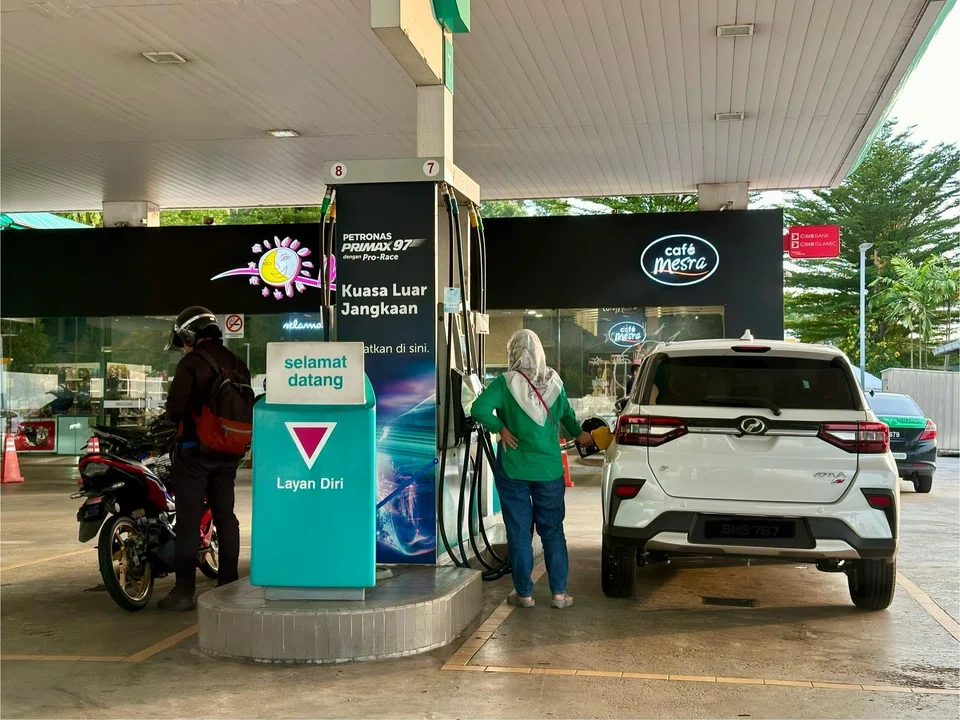
[KUALA LUMPUR] Malaysia pledged on Tuesday (Apr 14) to boost the use of biodiesel to help cope with fuel supply constraints as its economy comes under increasing strain from the Middle East crisis.
The government has agreed to increase its 10 per cent biodiesel mandate – known as B10 – to a 15 per cent biodiesel blend, Economy Minister Akmal Nasir said in a televised announcement.
It will start with a 12 per cent blend without incurring any additional production costs and using only existing biodiesel blending plants, he said. He did not identify the sectors in which the biodiesel mandate would be applied.
Malaysia, the world’s second-largest palm oil producer, currently imposes a B10 mandate for the transportation sector, though a 20 per cent mandate has been implemented in the federal territory of Labuan, Langkawi island and the state of Sarawak, excluding the town of Bintulu.
“The government believes that the use of biodiesel will further extend the availability of the country’s diesel supply,” Akmal said.
Akmal flagged significant risks to Malaysia’s labour market in the second quarter, saying that pressure is expected to mount on employment and income.
Domestic animal feed prices are projected to rise about 8 per cent, while fertiliser costs are forecast to surge 15 to 20 per cent, Akmal said, adding that rising production costs could soon be translated into higher consumer prices.
Malaysia’s aviation and tourism sectors have already been put under strain as a result of the Iran war, with only 1.5 million inbound air passengers from the Middle East now projected in 2026, Akmal added.
The government’s spending has ballooned as it maintains subsidies to keep retail pump prices low, among other measures, despite the surge in global energy costs. The finance ministry said on Tuesday it will spend RM7 billion (S$2.3 billion) on subsidies in April.
SEE ALSO




The ministry also announced an increase in cash incentives for rice paddy farmers and further cash aid for the purchase of diesel for agricultural use and eligible vehicles. REUTERS
Decoding Asia newsletter: your guide to navigating Asia in a new global order. Sign up here to get Decoding Asia newsletter. Delivered to your inbox. Free.
Share with us your feedback on BT's products and services