Malaysia central bank keeps interest rate at 3%, citing inflation risks
Recent indicators point towards sustained strength in economic activity, supported by resilient domestic spending, better exports and a pickup in tourist arrivals
 Add BT as a preferred source
DeeperDive is a beta AI feature. Refer to full articles for the facts.
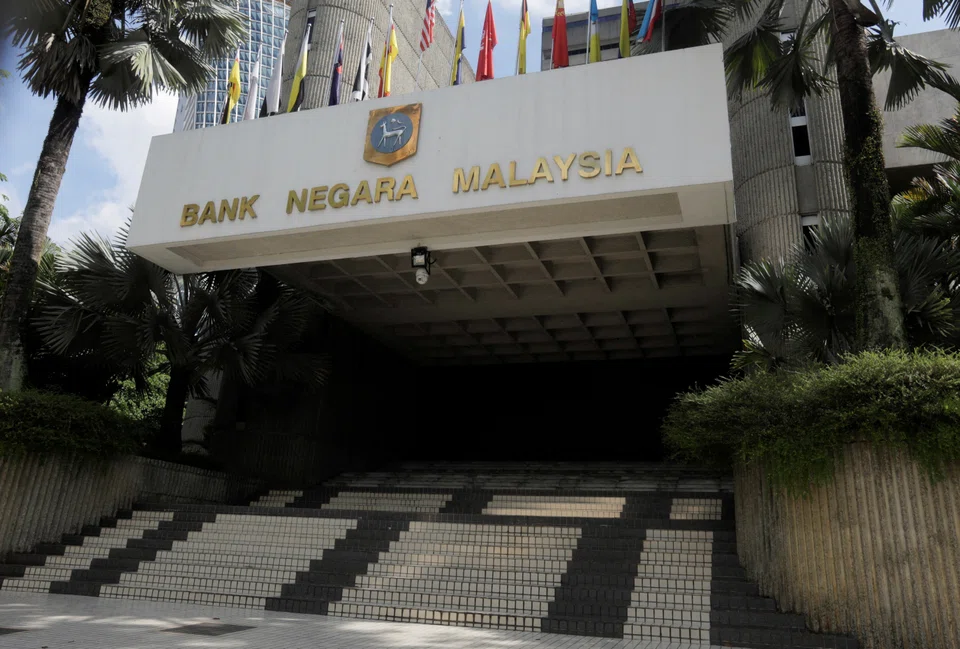
[KUALA LUMPUR] Bank Negara kept its key interest rate at 3 per cent on Thursday (Jul 11), as economists had expected, ahead of projected higher inflation for the rest of 2024.
All 32 economists in a recent Reuters poll projected that the central bank would maintain the overnight policy rate (OPR) at 3 per cent.
Bank Negara said inflation in the coming months would trend higher amid the diesel subsidy removal on Jun 1, but the increase will remain manageable given mitigation measures to minimise the cost impact on businesses.
Both headline and core inflation averaged 1.8 per cent in the first five months of 2024, said the central bank, noting that the headline inflation forecast remained unchanged at between 2 and 3.5 per cent, and core inflation between 2 and 3 per cent.
Economists are closely monitoring the inflation outlook, anticipating the government to remove more fuel subsidies later this year.
Standard Chartered Bank economists Edward Lee and Jonathan Koh estimated a modest 0.1 percentage point impact on inflation after the diesel subsidy removal.
Navigate Asia in
a new global order
Get the insights delivered to your inbox.
“We will keep an eye out for second-round effects, especially as there may be further subsidy rationalisation amid Malaysia’s growth recovery,” said Lee and Koh in a recent report.
MIDF Research expected Bank Negara to maintain OPR at 3 per cent for the entire year, as core inflation stabilises amid challenging external conditions.
“The post-pandemic policy rate normalisation allows Bank Negara to better manage risks such as high inflation and rising household debts,” said MIDF in a note.




The OPR was last adjusted in May 2023, when it was raised by 25 basis points to the current level. The central bank said the monetary policy stance, at the current OPR level, remained supportive of the economy and aligned with its view of inflation and growth prospects.
Robust exports

For Malaysia’s economy, Bank Negara maintained a sanguine outlook as recent indicators pointed towards sustained strength in economic activity, supported by resilient domestic spending, better exports and a pickup in tourist arrivals.
“Exports are expected to be further lifted by the global tech upcycle, given Malaysia’s position in the semiconductor supply chain, as well as continued strength in non-electrical and electronics goods,” said the central bank.
BMI, a unit of Fitch Solutions, expected Bank Negara to maintain the OPR through end-2024, citing sustained growth from robust exports and a resilient labour market.
Malaysia’s exports rebounded 2.2 per cent year on year in the first quarter this year, reversing a 6.9 per cent contraction in the previous quarter.
“Electrical and electronic product exports, which make up 39 per cent of total shipments, rose 7.6 per cent in May, indicating recovery extending into Q2 2024,” said BMI in a note.
Ringgit movement
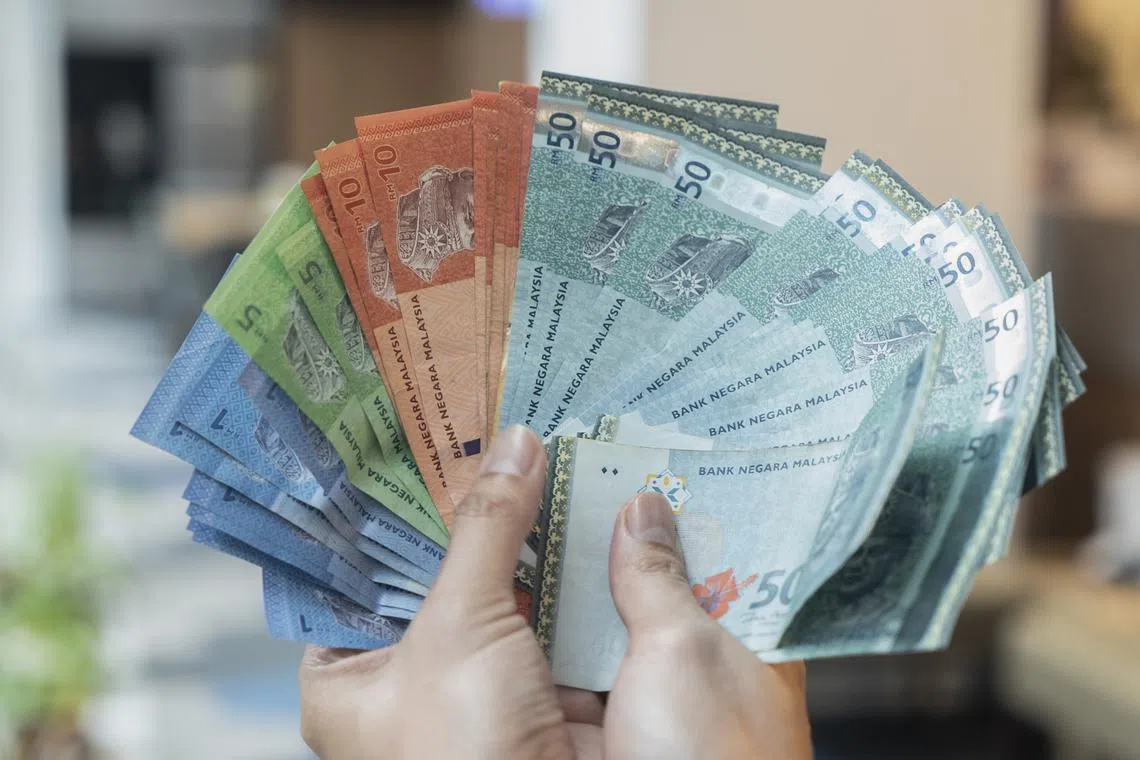
Ringgit movements remain influenced by external factors, but ongoing efforts by the government and government-linked companies to repatriate and convert foreign investment income into ringgit helped mitigate pressure on the currency.
As at 4.30pm, the ringgit traded at RM4.69 against the US dollar, a depreciation of over 2 per cent from RM4.59 on Jan 1. Against the Singapore dollar, Malaysia’s currency remained at RM3.48, unchanged since the beginning of the year.
UOB expected the ringgit to weaken ahead of the anticipated US Federal Reserve interest rate cuts in September.
“A strong correlation to the Chinese yuan would also turn into a tailwind for the ringgit as we also expect the yuan to rebound in H2 2024. A steady OPR will help to narrow the negative gap with the US interest rates and support the ringgit recovery as well,” said the bank in a quarterly outlook report.
UOB projected the currency to hover around the RM4.65 level in Q3 2024, before strengthening to RM4.60 in the fourth quarter this year.
Decoding Asia newsletter: your guide to navigating Asia in a new global order. Sign up here to get Decoding Asia newsletter. Delivered to your inbox. Free.
Share with us your feedback on BT's products and services