Malaysian glove maker WRP to shut down over Iran war disruptions
It is sufferring from ‘significant’ increases in costs for petrochemical-derived raw materials and chemicals
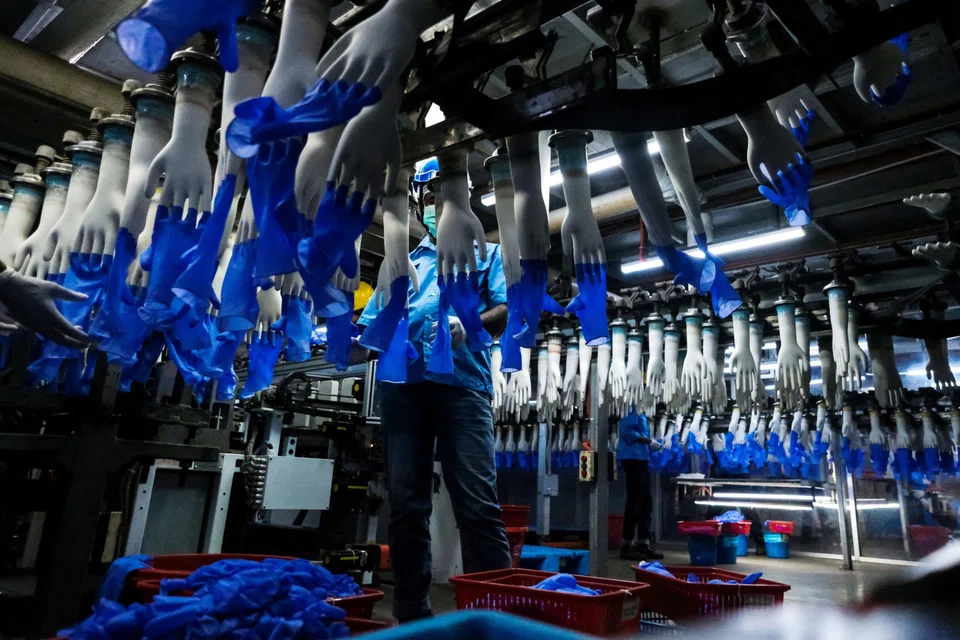
[KUALA LUMPUR] Malaysian rubber-glove maker WRP Asia Pacific will begin winding down its business operations in April, citing “severe disruptions across global energy and petrochemical supply chains” caused by the Middle East conflict.
WRP has suffered from “significant” increases in costs for petrochemical-derived raw materials and chemicals – while facing uncertainty about procurement timelines and suppliers that increasingly require advance payments, the company said.
It was addressing customers in a Mar 31 letter which was reviewed by Bloomberg News.
“These unforeseen circumstances have forced us to make the difficult but necessary decision to begin the process of winding down business operations, with effect from Apr 15,” it said.
The announcement comes as the US and Israel-led war creates the largest oil-supply shock in decades, stoking inflation, rattling financial markets and pushing up the costs of everything – from food to fuel.
It has also put industries such as glove manufacturers at risk, as they rely on imports of nitrile latex – a synthetic rubber – whose prices are linked to energy markets.
The letter and impending wind-down was confirmed by Nadarajah Swaminathan, the general manager of operations.
He added that the company was awaiting feedback from shareholders, and that potential buyers of the glove maker could emerge.
Shortage of key raw material
It is unclear how much relief the industry may get with the just-announced two-week ceasefire and Teheran’s agreement to reopen the Strait of Hormuz.

Days before WRP sent its letter, the Malaysian Rubber Glove Manufacturers Association, an industry group, warned that the blockade of the Strait of Hormuz had caused a shortage of a key raw material, placing an “immense financial strain on local manufacturers” and threatening the global supply of medical gloves.
Disruptions to supplies of global crude and refinery operations have driven up raw material costs by more than 50 per cent, prompting the world’s largest glove maker Top Glove to raise prices, the company told Bloomberg.
It is encouraging customers to consider natural rubber gloves instead, it said.
The price of butadiene, a colourless gas that is a core ingredient for disposable gloves, has climbed nearly 70 per cent since the war, data compiled by Bloomberg showed. Butadiene can account for more than half of nitrile latex costs.
Shortages of raw materials and skyrocketing prices are amplifying the unfavourable cost structures of Malaysian glove makers compared with regional competitors, said Chan Wone Fu, a former chief executive officer of the association.
“Those glove companies which do not have nitrile butadiene rubber latex in their inventory would have to reschedule their production,” he said.
Malaysia produces roughly 45 per cent of the world’s rubber gloves and exports them to 195 countries, the association said in a Mar 26 statement.
WRP, which is closely held, makes surgical, examination and speciality gloves used in healthcare, food processing and beauty industries, its website said.
It experienced a surge in sales and profits during the pandemic, but has been through a difficult stretch since.
The company posted a RM78 million ringgit (S$25 million) loss on RM204.6 million of revenue in the year ended June 2024, regulatory filings show. BLOOMBERG
Decoding Asia newsletter: your guide to navigating Asia in a new global order. Sign up here to get Decoding Asia newsletter. Delivered to your inbox. Free.
Share with us your feedback on BT's products and services