



Oil, gas crisis triggered by Iran’s Hormuz blockade worse than 1973, 1979, 2022 together: IEA chief
Countries most at risk were developing nations which will suffer from higher oil and gas prices
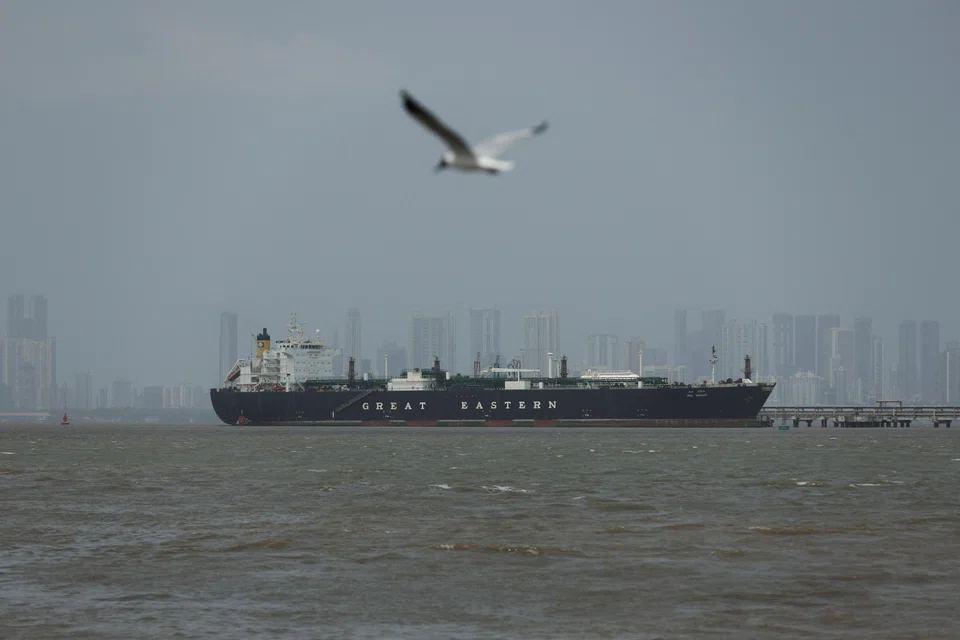
[PARIS] The current oil and gas crisis triggered by the blockade of the Strait of Hormuz is “more serious than the ones in 1973, 1979 and 2022 together”, Fatih Birol, the head of the International Energy Agency (IEA), told Le Figaro newspaper.
“The world has never experienced a disruption to energy supply of such magnitude,” he said in an interview with the French newspaper released in its Tuesday (Apr 7) edition.
He said the European countries, as well Japan, Australia and others will suffer, but the countries most at risk were developing nations which will suffer from higher oil and gas prices, higher food prices and a general acceleration of inflation.
IEA member countries agreed in March to release part of their strategic reserves. Some of this had already been released and the process continues, said Birol.
In reaction to the strikes by Israel and the US, Iran has almost entirely blocked the traffic in the Strait of Hormuz, through which about 20 per cent of world oil and gas regularly flows, creating a surge in energy prices.
Meanwhile, US stock futures fell and crude oil advanced ahead of President Donald Trump’s deadline for Iran to make a peace deal, with tentative ceasefire signals tempered by the risk of further escalation.
Traders are cautious ahead of Trump’s deadline, set for 8 pm on Tuesday (Eastern Time), with attention firmly on the Strait of Hormuz.
The US president insists any deal must ensure uninterrupted transit through the waterway. While talks are “going well,” he’s threatened to destroy Iran’s bridges and power plants if no deal is reached. REUTERS, BLOOMBERG
Decoding Asia newsletter: your guide to navigating Asia in a new global order. Sign up here to get Decoding Asia newsletter. Delivered to your inbox. Free.
Share with us your feedback on BT's products and services
TRENDING NOW

Stocks to watch: CapitaLand Ascott Trust, Keppel Infrastructure Trust, iFast, ESR Reit, First Sponsor
Indonesia says gas export cuts to Singapore remain within contract terms
If Europe goes to war, the fallout will be felt in East Asia

Government to bring forward raising of retirement age, give employers more financial support to create flexi-load jobs

