



Manufacturers turn to Johor-Singapore corridor as supply chains diversify
Johor production is feeding Singapore’s role as a global gateway but smoother cargo movement is needed
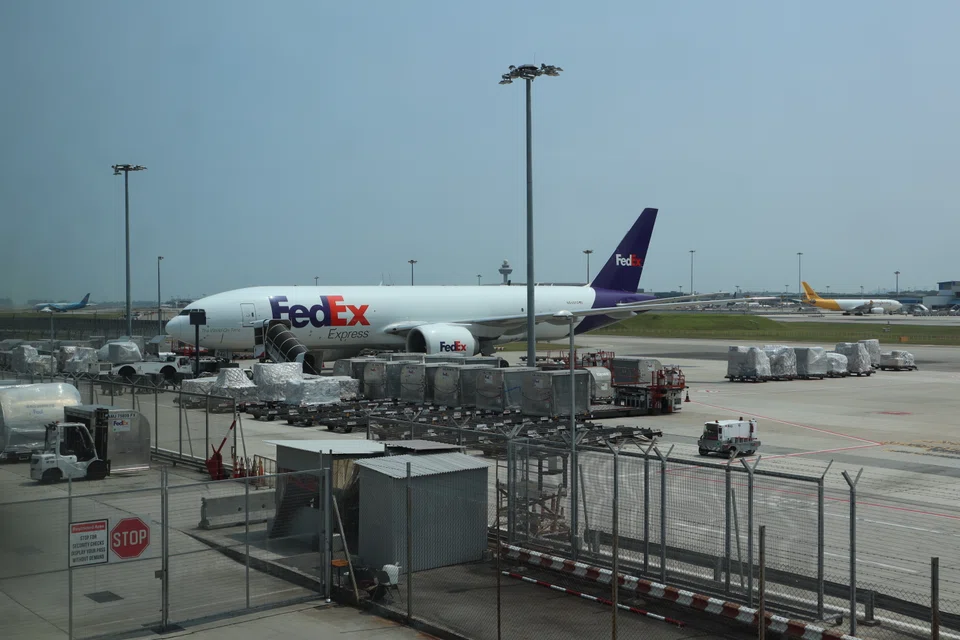

[JOHOR BAHRU] Manufacturers expanding into Malaysia are seeking advice on how to connect their new plants to global markets, as tariff pressures and China-plus-N strategies reshape supply chains across South-east Asia.
FedEx Malaysia has received enquiries from companies establishing operations in the country about shipment cut-off times, cross-border transit, customs documentation and connections through Singapore, said its managing director Woon Tien Long.
The interest reflects an emerging division of labour between Johor and Singapore: Manufacturers can take advantage of Johor’s lower costs and industrial capacity while using Singapore’s infrastructure and international connectivity to reach global markets, said Eric Tan, managing director of FedEx Singapore.
Although Singapore was comparatively expensive as a manufacturing base, it retained advantages including its infrastructure, governance, political stability and international connectivity, he added.
Global supply chains were also becoming more networked as companies spread different stages of production across multiple countries, said Ken McMahon, FedEx’s Asia-Pacific managing director of sales and solutions for healthcare and life sciences.
Chinese manufacturers were investing in production facilities in Singapore, while Indian companies were expanding internationally, McMahon added.
From Johor to the world
Goods produced in Malaysia can be transported by road into Singapore and connected to FedEx’s international air network.
Woon said FedEx Malaysia operates four to five truck movements a day across the Malaysia-Singapore border as part of the FedEx Asia Road Network, which carries parcels and freight between Bangkok, northern and central Malaysia, Johor and Singapore.
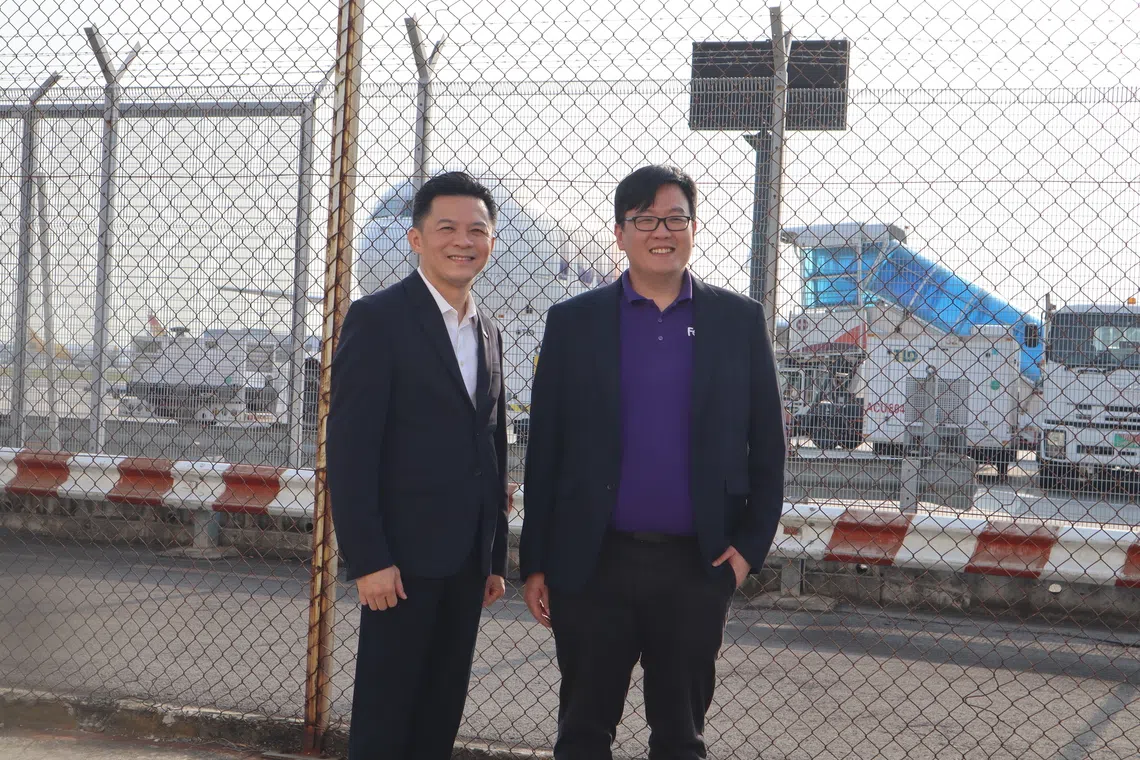
The logistics group has operated an integrated delivery network between Johor and Singapore for more than two decades.
SEE ALSO





A shipment takes about five hours to travel from FedEx’s Johor station to its South Pacific Regional Hub in Singapore, including customs clearance at Senai International Airport and the land-border crossing, said Tan during a recent media visit to the company’s facilities.
FedEx’s Senai operations include a 20,000 square feet integrated warehouse and sorting station, opened in 2019, for shipment pickup, consolidation and distribution.
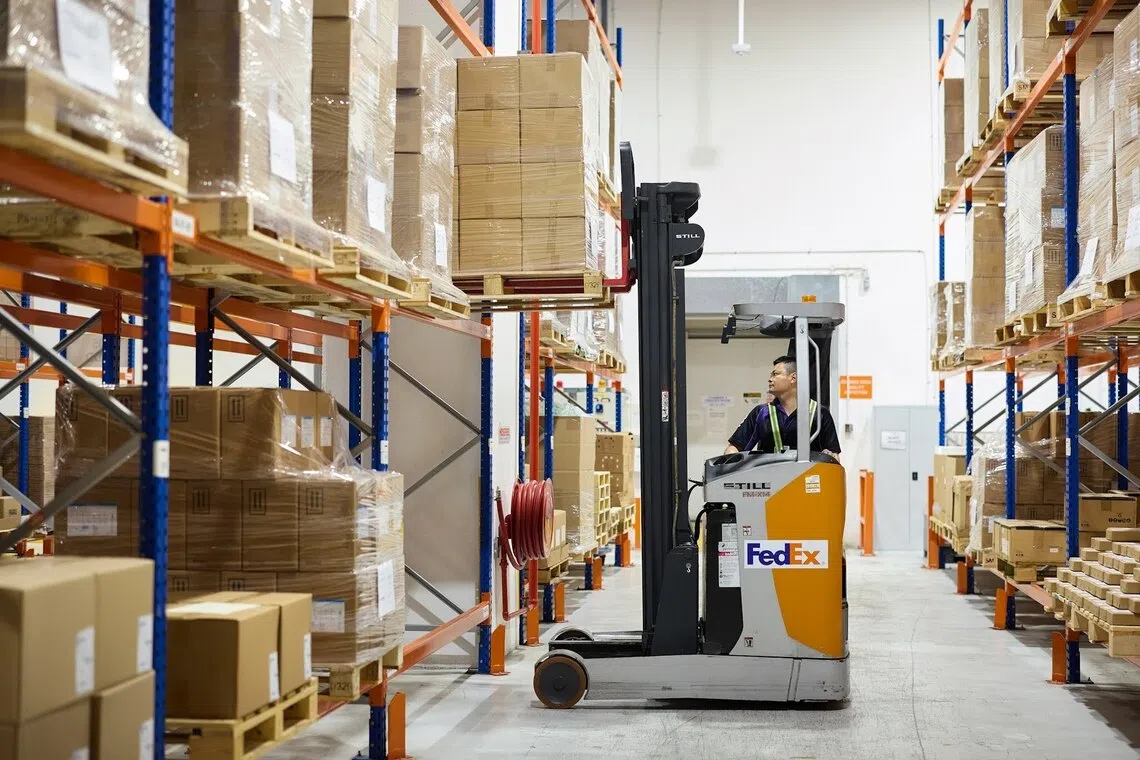
Its sorter can now process up to 1,600 packages an hour, about 45 per cent more than the station’s capacity of 1,100 packages an hour when it opened. Customs clearance is carried out at a separate FedEx facility at Senai International Airport.
The South Pacific Regional Hub in Singapore connects shipments to about 60 FedEx flights into and out of Singapore each week, Tan said.
About 40 per cent of the volume handled there is transhipment cargo, much of it moving towards Australia and New Zealand.
FedEx’s road network allows shipments to be consolidated as its trucks move between markets, Woon said.
Road transport generally costs less and produces lower carbon emissions than air freight, although routing decisions also depend on customers’ requirements for speed and reliability.
“Not everything (is) about absolute speed. Reliability may be more important first,” he said.
FedEx’s Johor operations would continue to evolve as volumes grew and customers demanded earlier deliveries and more complex supply chain arrangements, Woon said.
Those changes were already taking place ahead of the Johor-Singapore Special Economic Zone masterplan, which is expected to be unveiled in December, he added.
Border friction remains
The cross-border model’s ability to scale will, however, depend on making cargo movement faster and more predictable, Tan said.
Malaysia and Singapore remain separate jurisdictions, with their own licences, certifications and regulatory requirements. Companies are therefore required to submit separate import permits or undergo similar checks in both countries.
FedEx has advocated greater mutual recognition of standards and approvals, as well as a single trade window to reduce duplicated paperwork and handling.
“Ideally, you would only want all the paperwork and all the checks to be submitted or performed once,” Tan said.
FedEx has worked with the Singapore Institute of International Affairs on a white paper to support discussions with both governments. Tan said efforts to smoothen cross-border cargo movement remained a work in progress.
Decoding Asia newsletter: your guide to navigating Asia in a new global order. Sign up here to get Decoding Asia newsletter. Delivered to your inbox. Free.
Share with us your feedback on BT's products and services

