



Millions-strong Myanmar diaspora fuels Thai market from craft beer to credit
The community spends over 221 billion baht a year, creating a new consumer market for the kingdom
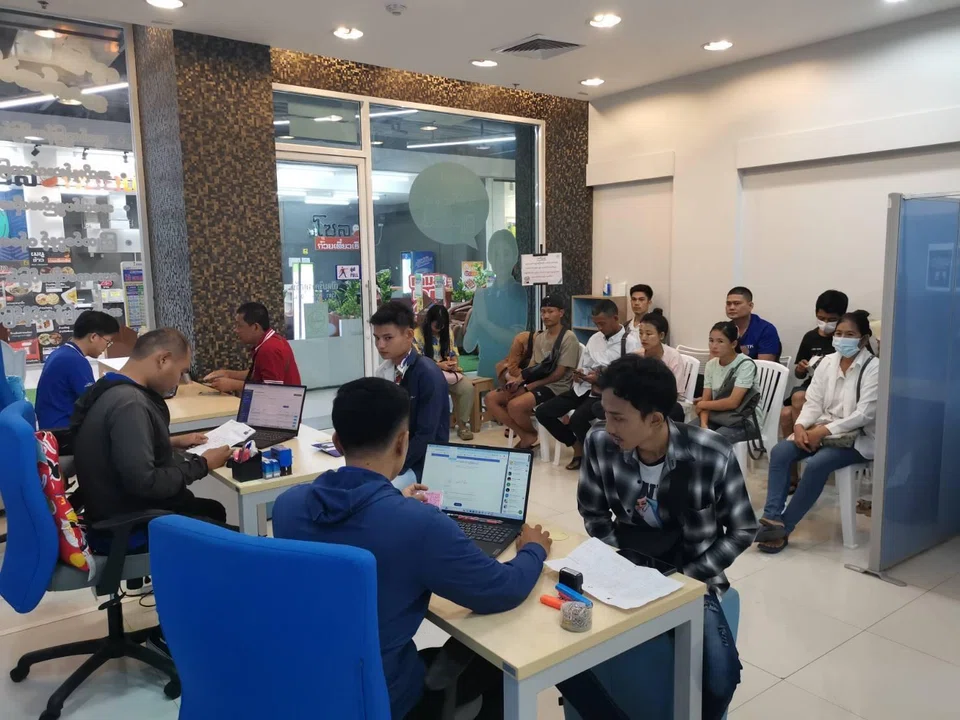
[BANGKOK] Thailand’s Myanmar diaspora – estimated at some 4.1 million – is no longer just a source of low-cost labour but also emerging as a sizeable consumer market, drawing growing interest from retailers, telcos, remittance firms, property players and lenders.
A recent report by market consultancy Happio Co showed that Myanmar nationals in Thailand – comprising 2.8 million documented migrants and 1.3 million undocumented migrants – spend about 221 billion baht (S$8.7 billion) in the kingdom each year, while sending another 119 billion baht back home.
Happio, which advises Thai companies on selling their brands in Cambodia, Laos, Myanmar and Vietnam, said Thailand’s fast-growing Myanmar market has moved from the fringes into the mainstream as the diaspora grows and diversifies.
Its chief executive, Natee Jarayabhand, told The Business Times that Happio helps firms develop marketing campaigns for Myanmar nationals in Thailand.
These companies include telco providers True and dtac, and remittance firm Western Union. It has also worked with 7-Eleven on the retailer’s ALL Member loyalty programme.
“Some 7-Eleven branches have more Myanmar customers than Thai customers, creating opportunities to adapt product offerings and loyalty programmes to better match the needs and preferences of their target audience,” he said.
For decades, Thailand has been a magnet for migrant workers from neighbouring Myanmar – many of whom take jobs in labour-intensive sectors such as agriculture, fisheries, construction, restaurants and domestic service, where employers often struggle to find local workers.
But in recent years, starting with the Covid-19 pandemic and accelerating after the February 2021 coup and the enforcement of military conscription in February 2024 in Myanmar, the migration wave has broadened to include the country’s middle and upper classes.
For the past three years, Myanmar nationals have ranked among the top three foreign nationals buying condominiums in Thailand, mainly in the capital Bangkok and the northern city of Chiang Mai.
There are also more than 15,000 Myanmar students pursuing higher education in Thailand and hundreds more attending international high schools, based on Happio estimates.
“When they enforced conscription in Myanmar, a lot of young people moved to Thailand, and some were kids of rich people,” said Tin Min Htut, the founder of Bangkok-based venture capital firm AVA Ventures.
“Some were college graduates from the US and other countries, but they couldn’t stay in Myanmar because of the conscription. Once they moved here, they had to do something so they started small businesses – restaurants, bars or clubs,” he added.
Tin Min Htut first worked for Daiwa Securities Group in Myanmar before setting up his own venture capital firm, which invested in more than 20 local startups between 2014 and 2021. In late 2021, he moved his operations to Thailand, where he launched AVA Ventures.
The firm has invested in 14 Thailand-based Myanmar startups – mostly restaurants and pubs – including the Burbrit Craft Beer bar in Bangkok, a branch of the Yangon establishment of the same name.
“We have been importing craft beer from Myanmar, but we are starting a brewery in Thailand now,” he said. “It will be finished by September. It is a big investment, but I think it will be a success story.”
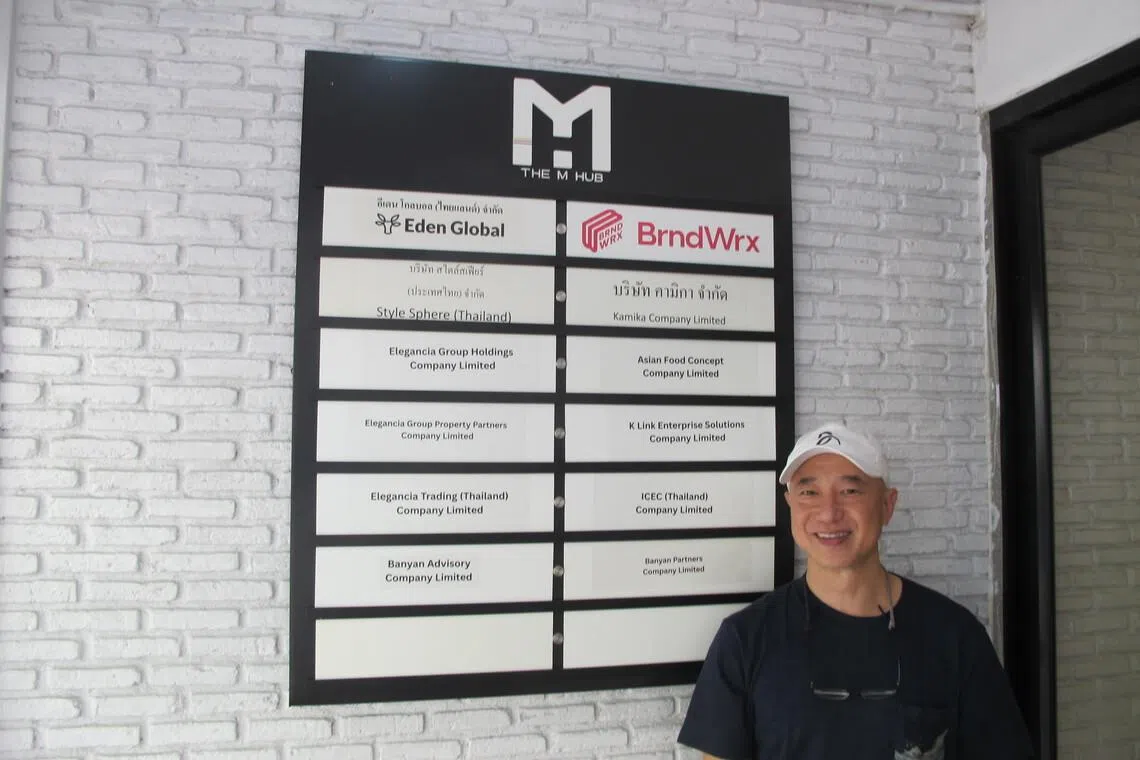
Burbrit is one of several well-known Myanmar brands to have opened branches in Thailand in recent years.
Others include the restaurant chains Feel and Khaing Khaing Kyaw, as well as Rangoon Tea House. All have set up in Bangkok.
Ngwe Tun, the founder of popular coffee brand Genius – which launched in Myanmar in 2012 with coffee sourced from farmers in the country’s Shan, Chin and Karen states – opened two coffee shops in western and northern Thailand. (* see amendment note 1 below)
Called Blue Pond Cafe, the first one was established in Mae Sot in 2022 and the second was launched in Chiang Mai in May 2026. (* see amendment note 1 below)
Ngwe Tun has also expanded the business into coffee roasting. He told BT: “Before, we just had coffee shops in Thailand, but in March 2026, we started a coffee roasting operation in Chiang Mai.
“We still serve coffee in Yangon, Mandalay and Shan state, but we have cut our coffee production from 350 tonnes... in 2018 to 160 tonnes now. We had problems with harvesting, because most of our labourers left Myanmar to avoid conscription.”
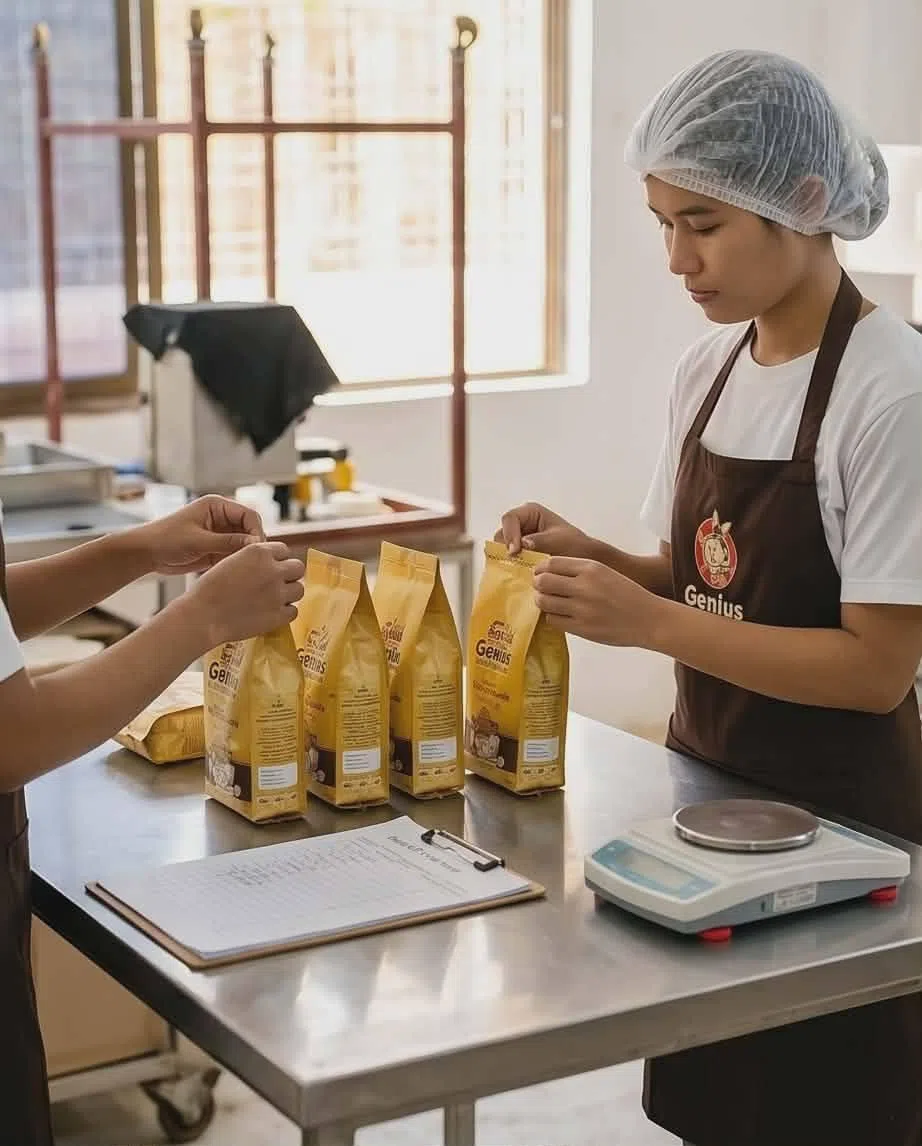
Genius now sources most of its coffee from farmers in northern Thailand, with only 10 per cent imported from Myanmar. The company is working on exporting its products to China and Singapore.
While craft beer bars, niche coffee shops and Burmese cuisine restaurants cater to well-to-do Myanmar expatriates and tourists, most Myanmar nationals working in Thailand cannot afford such places.
Aung Htun, a veteran venture capitalist who has spent the past two decades investing in startups in both Myanmar and Thailand, has chosen to focus his current efforts on the Myanmar labour market in the kingdom.
He is the executive chairman of Syn Pitarn Group, a pico-finance firm he established in 2022 to provide small loans of between 8,000 and 40,000 baht to Myanmar migrant workers in Thailand.
“No Thai bank will lend to them,” said Aung Htun, who holds both Thai and British citizenships. “I thought: This is a huge segment of people who need to borrow, this is a huge virgin market.” (* see amendment note 2 below)
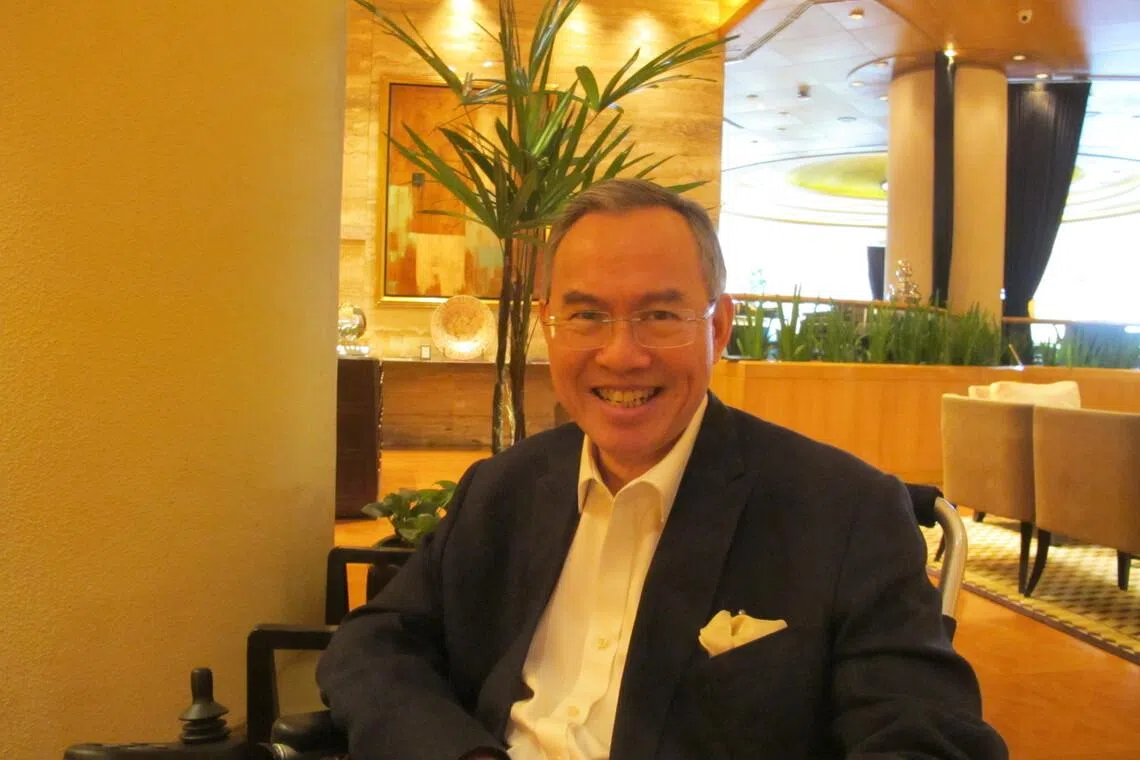
After three years in the business, Syn Pitarn now holds five pico-finance licences with 13 bricks-and-mortar branches in five Thai provinces. It employs 120 people and has 30,000 clients with about 125 million baht in outstanding loans.
“We haven’t even scratched the surface of potential clients,” said Aung Htun. “I think this is a sustainable business, because the market is growing.
“I see the migration phenomenon as staying, because I don’t see any resolution to Myanmar problems for the next four to five years.”
* Amendment note: 1. Genius Coffee has two Blue Pond coffee shops in Thailand, and not three. 2. Aung Htun is a Thai-British dual national and not a Thai-Myanmar dual national. 3. Correction in the main caption credit.
TRENDING NOW

Once staunchly pro-China, Malaysian Chinese businesses are now distancing themselves from Beijing

Looking beyond looming CEO succession, should UOB potentially pursue a transformative merger?

Could stablecoins be the future of money?

Grab CEO’s wife Chloe Tong on life with Anthony Tan and finding her purpose

