



No chicken feed: How Malayan Flour Mills built an empire from flour to fowl
The second-generation leader of Malaysia’s oldest flour mill has turned it into a regional food giant

Inside Asia’s family empires: How they are transforming to seize the next stage of growth
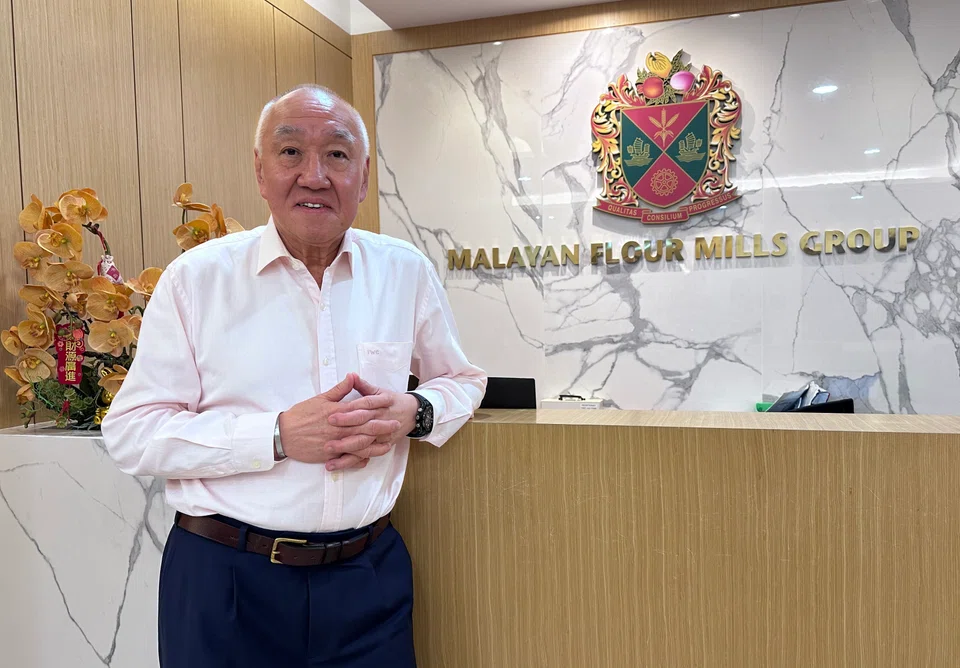
[KUALA LUMPUR] There are not many listed companies left in Malaysia that still carry “Malayan” in their names. Malayan Flour Mills (MFM) is one of them – but beneath the 60-year-old name is a business that has spent much of its history reinventing itself.
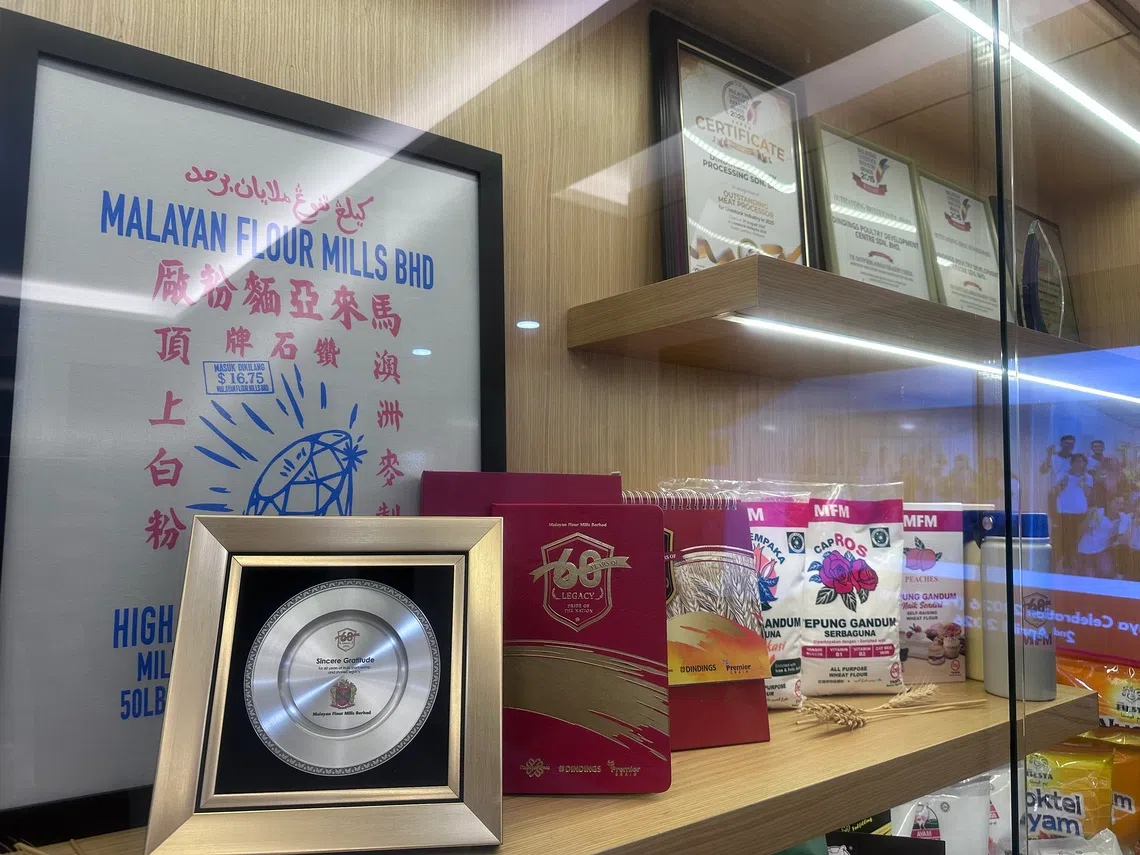
From Malaysia’s first modern flour mill and its familiar rose-logo flour products, MFM has expanded into grain trading, animal feed, poultry, aquaculture and ready-to-eat food, while venturing beyond its home market into Vietnam and Indonesia.
Along the way, second-generation leader Teh Wee Chye made another decisive break with tradition.
Since taking the helm in 2002, Teh has systematically transitioned the family-controlled business into a professionally managed enterprise with no intention of returning to family rule.
While many second-generation founders focus on passing the torch to the third generation, Teh chose institutional longevity over lineage.
“We don’t intend to go back to becoming family-run… Family-run businesses tend to be unusually complex,” the 73-year-old executive deputy chairman and managing director told The Business Times.
Instead, MFM’s board and management are focused on cultivating corporate talent and grooming professional executives for top leadership.
“The whole idea first is to build talent,” Teh said. “Once you have talent, then you can take it from there.”
From shipping to flour
Teh’s connection with MFM can be traced back to 1976, when his late father, Teh Liang Teik, acquired the company from its founders, the Sung family.
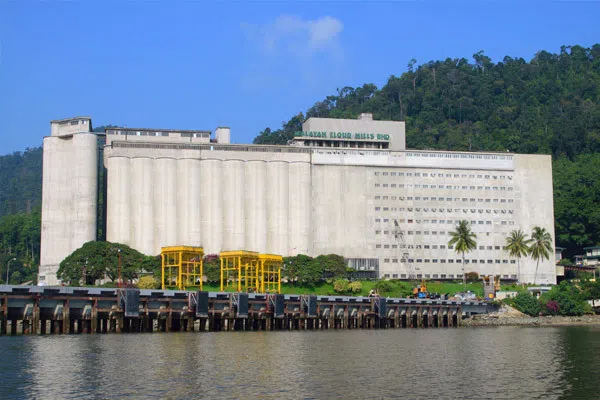
What began as a single flour mill in Lumut, Perak, expanded to Pasir Gudang, Johor, in 1992. It then crossed borders into Vietnam in 1994, before entering Indonesia in 2011.
Teh Liang Teik migrated from China to Malaysia, working manual jobs and selling street food before building a successful rice trade. Though uneducated, he prioritised schooling and exposed his children to business early.
Around age 14, a conversation with a Japanese chief engineer inspired the younger Teh to study naval architecture and marine engineering in the US.
He later worked in New York and joined his father’s shipping firm in Singapore. However, the late-1970s global shipping crisis prompted his father to pivot the business entirely to flour milling.
In 1976, 22-year-old Teh joined MFM as deputy mill manager. While he brought technical expertise, his father provided sharp commercial foresight.
“What surprised me was how he combined my technical knowledge with his commercial judgment. He was always one step ahead,” Teh recalled, noting that they never had serious conflicts.
Teh Liang Teik died in July 2011 at 93, leaving behind nine children and a legacy that transformed a humble mill into a regional food giant.
For the financial year ended Dec 31, 2025, MFM’s net profit more than doubled, surging 141 per cent year on year to nearly RM140 million (US$34.3 million) from RM58 million previously.
This was driven by a 4 per cent rise in revenue to RM3.3 billion.
The strong momentum has carried into 2026. For the first half ended Jun 30, net profit jumped nearly 40 per cent year on year to RM85.4 million, already exceeding half of its full-year FY2025 earnings, despite a 3.7 per cent dip in revenue to RM1.54 billion.
Follow the food (chain)
Being a staple food producer, second-generation leader Teh never stopped thinking about diversification.
The strategy took shape naturally around MFM’s Lumut mill. Local farmers raised chickens, flour production yielded pollard for animal feed, and ships carrying wheat could also transport corn and soy meal.
Harnessing these synergies, MFM launched into animal feed with an automated mill in 1983, later expanding downstream into poultry. MFM subsequently developed an integrated poultry business encompassing feed milling, hatcheries, breeder farms, broiler farms and poultry processing.
“As per-capita GDP grows, demand shifts to poultry and fish,” Teh noted. Today, Malaysia’s annual chicken consumption reaches roughly 54 kg per capita, one of the highest globally.
This strategic pivot evolved MFM from a simple flour miller into an integrated food producer across flour, feed, poultry and aquaculture.
Beyond borders
However, Teh’s boldest geographic move lay outside Malaysia.
He first visited Vietnam in 1992 alongside a delegation led by then prime minister Mahathir Mohamad. Vietnam was just opening its economy, but its vast population signalled clear potential.
“I decided to challenge myself,” Teh said. Site scouting was tough. In Ha Long, he trekked up a snake-infested mountain, unwittingly stepping into wartime bomb craters and finding that it would have been too costly to clear the way.
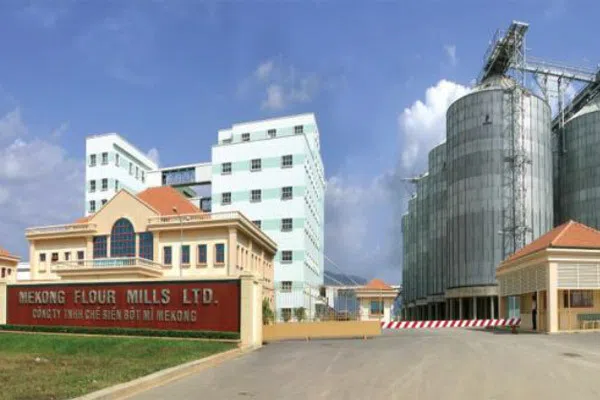
In Hai Phong, his marine engineering background revealed that the water was too shallow for cargo ships. MFM finally secured a site at Cai Lan Port, only to be hit immediately by the Asian financial crisis.
As the Vietnamese dong plunged, financing costs soared. Because their local partner contributed land instead of cash, MFM bore the brunt of funding.
Teh flew to Washington to negotiate directly with the World Bank, which was financing the Vietnam project. MFM was required to put up an additional US$4 million in financial support – funds Teh noted the company fully recovered once the mill was operational and generating revenue.
“Vietnam helped us think beyond our borders,” he reflected.
The market has since become a crucial growth engine. MFM’s Northern Vietnam operations process 2,000 tonnes of wheat daily, with another 500 tonnes coming online by late 2028.
With Vietnam’s annual per-capita flour consumption at just 18 to 20 kg, about half of Malaysia’s 40 kg, the country’s 100-million-strong population offers massive room to scale.
Learning from crises and diversification
Five decades in food manufacturing have taught Teh how fast assumptions shatter. MFM has navigated the Asian financial crisis, the 2008 global crash, Covid-19, and constant geopolitical shocks.
While food is defensive, it isn’t immune to world events, said Teh.
Commodity prices swing on weather and war, while shipping disruptions spill directly into operating costs. During Covid-19, flour remained an essential service, but poultry faltered as restaurants shuttered.
When the Covid-19 pandemic’s Delta wave temporarily forced an MFM processing plant to close – even as birds kept growing – the company faced a grim reality. “We had to bury the chicken,” Teh said.
The episode reinforced his view that food security is not simply about whether a country can produce enough food. Processing facilities, logistics and distribution also need to continue functioning.
The unpredictability of the business partly explains why Teh is reluctant to make sweeping promises about growth.
“We'd rather not overcommit, but can deliver. That is our approach,” he said. “Don’t overpromise. It will come back and bite you.”
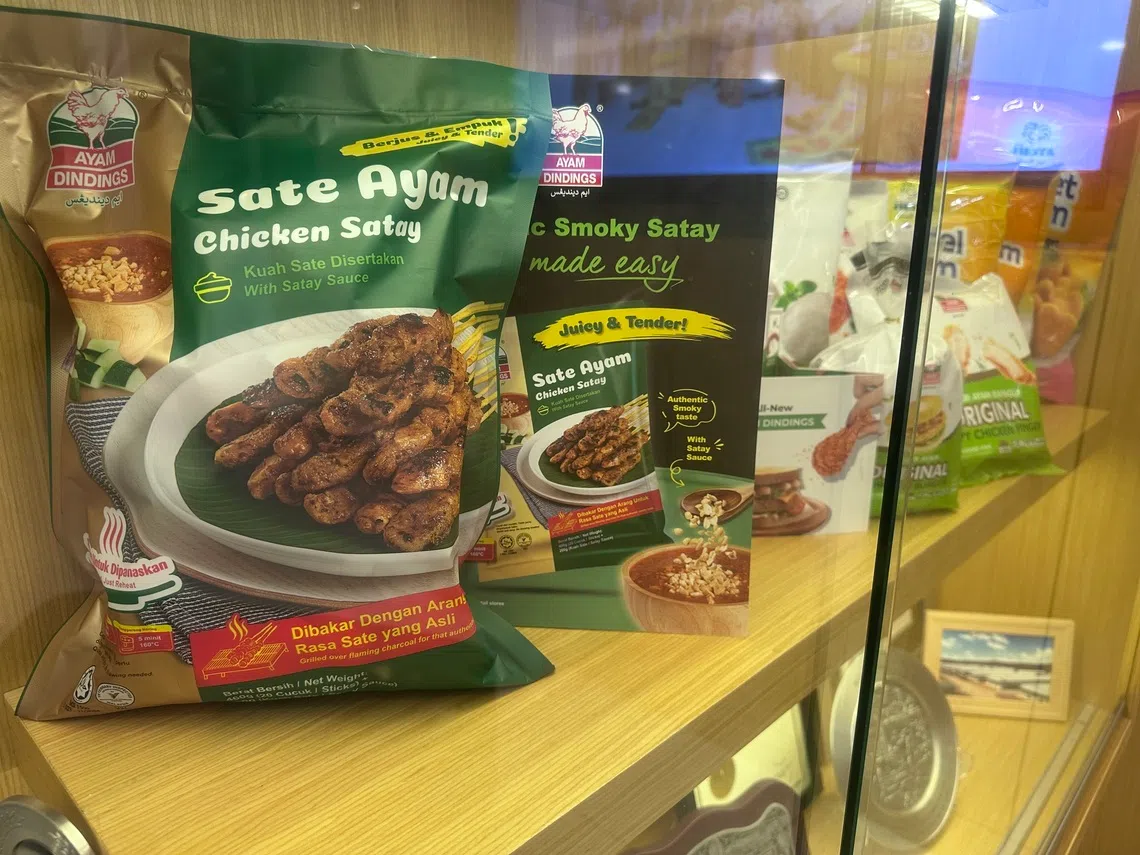
MFM is now pushing further downstream into ready-to-eat food, starting with chicken satay that took more than nine months to develop.
According to him, four more ready-to-eat products are in the pipeline. A new processing facility is also being designed as current capacity maxes out.
“Younger people worldwide are busy… They don’t need a kitchen – just a fridge and a microwave,” he added.
In the longer term, MFM is preparing to overhaul its landmark Lumut base. Relocating a breeder farm will free up 180 acres for a modern food complex and advanced processing hub, driven by tightening biosecurity standards that require separating live poultry from industrial zones.
For Teh, the expansion is another extension of the same logic that took MFM from flour to feed and then poultry: find opportunities to move further along a food chain the company already understands.
TRENDING NOW

Once staunchly pro-China, Malaysian Chinese businesses are now distancing themselves from Beijing
AI can become superior to humans in certain aspects: TikTok’s Chew Shou Zi

DBS, OCBC, UOB face rate hike reality check

‘The market has spoken’: DBS CEO Tan Su Shan says market is repricing AI financing risks

