



Rail talk: Are South-east Asia’s high-speed rail ambitions on track or running out of steam?
Asean’s long-time vision of a seamlessly connected region sounds fascinating on paper, but the stumbling blocks are plentiful

Goh Ruoxue
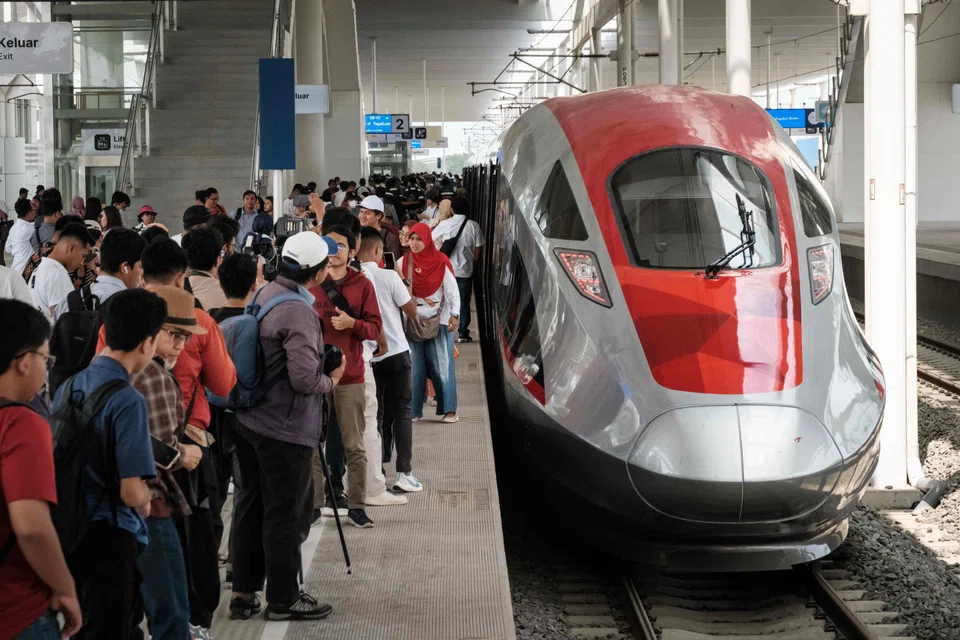
WHEN a bullet train aptly named Whoosh first sped off from Jakarta to Bandung last October – reaching a top speed of 350 km an hour and reducing travel time from three hours by car to just 45 minutes – Indonesia hailed the occasion as it laid claim to launching South-east Asia’s first high-speed railway (HSR).
The US$7.3 billion project – part of Beijing’s Belt and Road Initiative (BRI) and largely funded by China – was viewed by observers as a big step towards Asean’s push for seamless integration and connectivity in the region.
This year’s Asean chair, Laos, has adopted the theme of “enhancing connectivity and resilience”, with a pledge to intensify cooperation by promoting – among many other things – infrastructure connectivity.
TRENDING NOW

Government to bring forward raising of retirement age, give employers more financial support to create flexi-load jobs

Former minister Maliki Osman, Revolut chairman join Asia Gulf Holdings advisory board

Is Manila Asia’s new dining hot spot?

Simba at risk of losing operating licence over spectrum misuse

