Ringgit may rebound on capital flow measures: analysts
The currency has outperformed all Asian peers since Bank Negara pledged on Jun 24 to intensify efforts to boost inflows
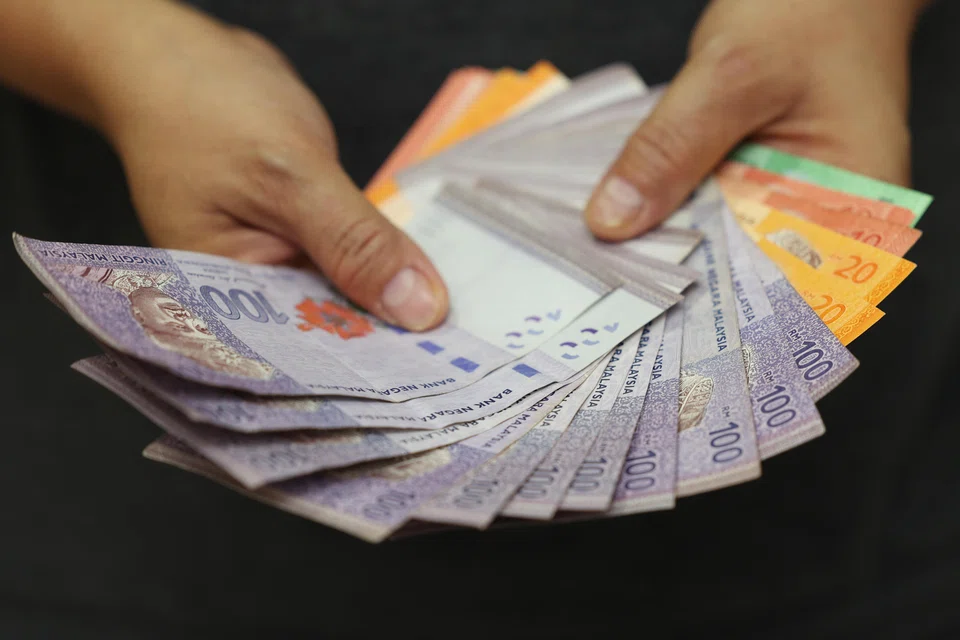
THE ringgit is poised for a rebound after ending June as Asia’s worst performer, with measures to boost foreign-exchange inflows and strong economic fundamentals expected to support the recovery, analysts say.
The Malaysian currency may trade at 3.95 per US dollar by year-end, according to Royal Bank of Canada, as Bank Negara Malaysia (BNM) steps up measures to encourage the repatriation and conversion of companies’ overseas earnings.
An analyst at ANZ sees the ringgit strengthening to 3.80, which would be the highest since 2015.
The ringgit closed 0.2 per cent higher at 4.0722 on Friday (Jul 3).
The currency has outperformed all Asian peers since BNM pledged on Jun 24 to intensify efforts to boost inflows. Robust exports as well as sustained foreign demand for local bonds have also reinforced expectations for the ringgit to extend its recovery in the second half of the year.
“The ringgit should outperform in Asia on Malaysia’s solid trade surplus and inflows into ringgit-denominated debt,” said Abbas Keshvani, a macro strategist at RBC in Singapore. “Measures to encourage conversion are a crucial link between the trade surplus and currency performance.”
BNM’s latest efforts to encourage foreign-exchange inflows echoes similar initiatives in 2024, which buoyed the ringgit after it fell to the weakest level against the US dollar since 1998. The currency later rebounded to rank as Asia’s strongest that year.
Malaysia has also benefited from the artificial intelligence boom, with rising demand for data centres and strong global appetite for its electrical and electronic products. Total exports surged 45 per cent year on year in May, lifting the nation’s trade surplus to a record monthly high of RM40 billion (US$9.8 billion).
The positive economic backdrop has lifted demand for Malaysian assets. Global funds bought about US$2.1 billion of local bonds to Jun 29, according to the latest BNM data, putting the market on track for its largest monthly inflow since May 2025.



However, the ringgit faces headwinds from a more hawkish US Federal Reserve and domestic political uncertainty. Investors will be monitoring the upcoming state elections that will test support for Prime Minister Anwar Ibrahim and his ruling coalition before the next general election is called.
Still, “foreign currency deposit by businesses has increased during March-May and BNM’s measures will help convert those deposits to ringgit”, said Kausani Basak, an FX analyst at ANZ. “Resilient FDI inflow will add to the ringgit strength.” BLOOMBERG
Decoding Asia newsletter: your guide to navigating Asia in a new global order. Sign up here to get Decoding Asia newsletter. Delivered to your inbox. Free.
Share with us your feedback on BT's products and services