



Malaysia central bank pledges stronger measures to boost FX inflows
Bank Negara Malaysia says country’s economic fundamentals will underpin the ringgit, which weakened 4.3% in June
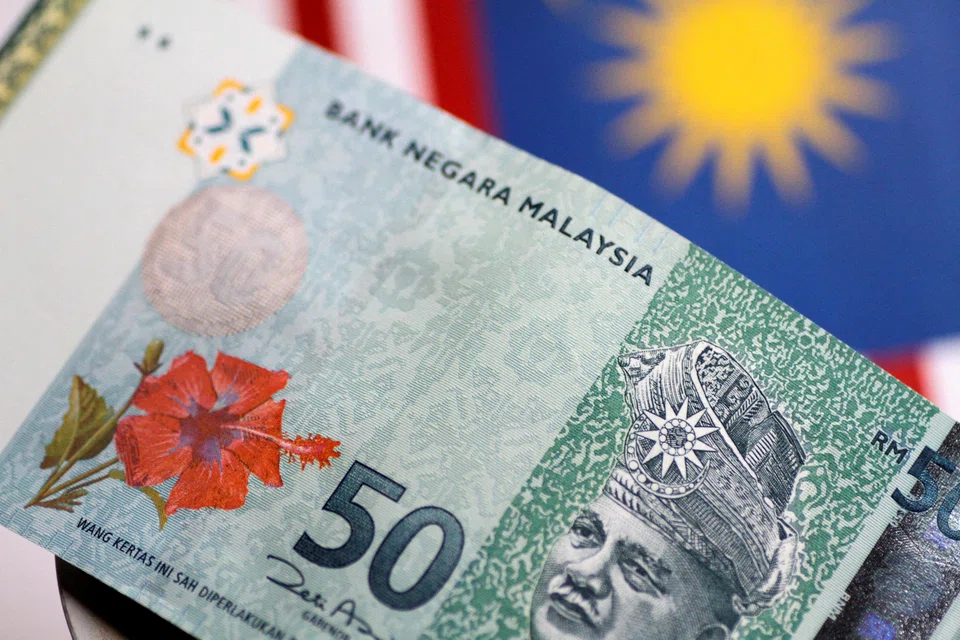
Malaysia will intensify measures to encourage foreign exchange inflows, including efforts to boost the repatriation and conversion of companies’ overseas earnings, the country’s central bank said.
Existing measures to support inflows, including a program that gives incentives for companies to bring home overseas earnings, will be intensified, Bank Negara Malaysia (BNM) said in a statement on Wednesday (Jun 24).
Authorities will also step up engagements with government-linked companies and corporates on repatriating and converting overseas income, it added.
The ringgit trimmed a small loss after the statement, to trade little changed at 4.1420 per US dollar.
The local currency has weakened 4.3 per cent in June, making it the worst performer in Asia, as expectations for US interest rate hikes and domestic political risk hurt sentiment.
BNM’s pledge to ensure orderly market conditions would likely support the ringgit, according to BNY.
“The recent ringgit depreciation has been aggressive and excessive,” said Wee Khoon Chong, senior Asia-Pacific market strategist at BNY.
BNM’s statement shows the central bank’s firm commitment to “maintain foreign exchange stability and is supportive for the ringgit”, said Chong.
“We see value in the ringgit, supported by solid economic fundamentals and strong foreign direct investment inflows,” he added.


BNM’s efforts to encourage foreign inflows are the latest in a series of measures across emerging Asia to bolster currencies, as surging oil prices put pressure on the region’s exchange rates.
Bank Indonesia has hiked policy rates by 100 basis points since the Iran War broke out and utilised rupiah bills to attract foreign inflows, while the Reserve Bank of India this week allowed lenders to extend loans against foreign currency deposits to attract overseas funds.
While outflows from non-resident investors were observed, this reflected an adjustment to their portfolio allocation after the strong ringgit performance in the early part of the year, BNM said.
Investors are also focused on the two upcoming state elections, with the southern state of Johor slated to hold its polls on Jul 11.
Similar initiatives by the central bank in 2024 have helped buoy the ringgit after it fell to the weakest level against the dollar since 1998. The currency subsequently rallied, becoming the top performing Asian currency in 2024.
The country’s solid economic fundamentals will continue to underpin the ringgit, the central bank said. Malaysia’s trade is expected to remain resilient in the coming months as the country rides the global artificial intelligence super-cycle.
BNM reiterated that it will continue to closely monitor developments in the financial markets.
This signal from BNM “is useful as it may flag authorities’ discomfort with one-way ringgit weakness and may help temper depreciation pressure, especially after the ringgit’s underperformance in June”, said Christopher Wong, a strategist at OCBC.
“That said, the measures are more likely to stabilise sentiment than drive a sustained reversal on their own,” said Wong. BLOOMBERG
Decoding Asia newsletter: your guide to navigating Asia in a new global order. Sign up here to get Decoding Asia newsletter. Delivered to your inbox. Free.
Share with us your feedback on BT's products and services
TRENDING NOW

DBS, OCBC, UOB rout lops billions off STI as inflation, rate concerns spook investors

Grab CEO’s wife Chloe Tong on life with Anthony Tan and finding her purpose

OCBC sheds S$8 billion in value as shares close nearly 6% down; analysts cautious on banks

Deal between tycoon friends sparks scrutiny of Philippine power sector

