



South-east Asia views AI as less of a threat and more as a way to boost capabilities: Microsoft
More AI users in region say they can produce work that they could not a year ago, compared with global peers

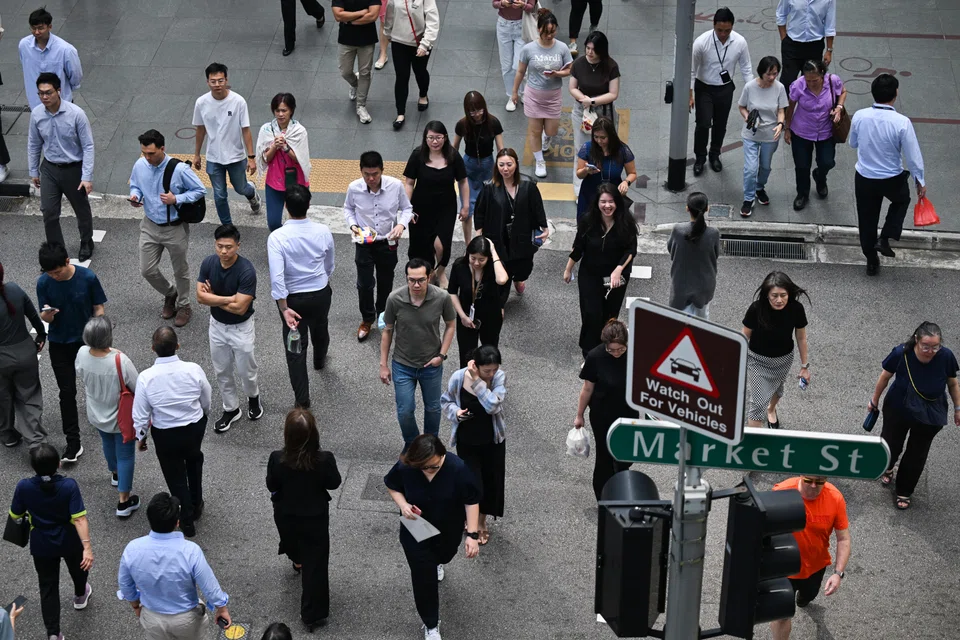
[SINGAPORE] The workforce in South-east Asia are more receptive to incorporating the latest artificial intelligence tools into their workflow when compared to their global peers.
According to a recent Microsoft Work Trend Index survey, 73 per cent of AI users in South-east Asia reported being able to produce work that they otherwise could not have done a year ago. This is 15 percentage points higher than the global average of 58 per cent.
The same survey also found that South-east Asia has a higher proportion of what Microsoft terms as “frontier professionals” – the most advanced users of AI – than the rest of the world.
Some 28 per cent of workers in South-east Asia were termed frontier professionals, compared with the global average of 16 per cent.
The American tech firm placed respondents in this category if they reported a combination of three distinct sets of behaviours: advanced use of AI agents to complete complex or multi-step work; routine redesign of workflows to take advantage of what AI can do well; and participation in structured, repeated AI-enabled practices that can scale beyond individual use.
“I think the population here (in South-east Asia) is mobile-first and digitally savvy, so a lot of them probably view AI as a tool to acquire new skills,” said Chia Wee Luen, managing director for Microsoft in Singapore, in an interview with The Business Times.
“From an organisation perspective, I would hypothesise that there are many organisations that want to leapfrog in terms of productivity, and may not also have that many legacy systems.”
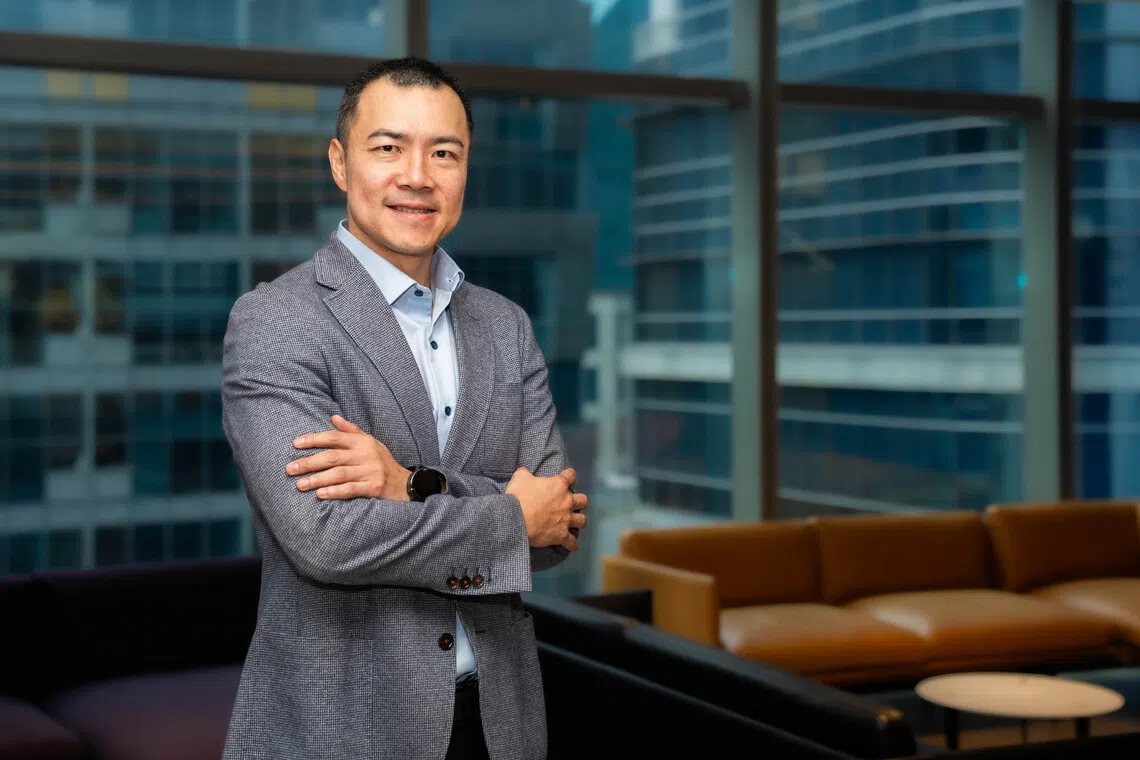
Chia added that from his position at Microsoft, his view is that the population in the region views AI as less of a threat and more as an opportunity to gain access to capabilities or knowledge that would have been unattainable in the past.
A separate survey of more than 500 business leaders in South-east Asia that was conducted by BT and market research firm Kantar earlier this year found respondents ranking AI and automation as their top investment priority.



Microsoft’s work-trends report used data collected from 34,000 respondents, among other sources.
Among the regions covered in the survey were the countries making up the Asean-6: Indonesia, Malaysia, the Philippines, Singapore, Thailand and Vietnam, which are the six largest economies in South-east Asia.
Other economies included were the US, China, Brazil, Germany and Japan.
While data suggested that workers in the Asean member states surveyed were more open to adopting AI in their work, Chia noted that Singapore was a “clear leader” among the Asean-6 when it came to AI adoption. He explained that the country’s higher adoption could be driven by its national AI initiatives.
He added that the companies that tend to lead in AI adoption are those from the tech and financial services sectors, along with the public sector.
Microsoft’s work-trends survey also pointed to a “transformation paradox”, where employees could be using AI tools that may be faster or more capable than the systems in their workplaces.
Chia warned that this could lead to “a lot of shadow AI”, where employees start using non-authorised tools that could increase the risks of information and intellectual property leakage.
Decoding Asia newsletter: your guide to navigating Asia in a new global order. Sign up here to get Decoding Asia newsletter. Delivered to your inbox. Free.
Copyright SPH Media. All rights reserved.
TRENDING NOW

Malaysian king buys stake in Singapore-listed mining firm expanding into rare earths

Grab CEO’s wife Chloe Tong on life with Anthony Tan and finding her purpose

Once staunchly pro-China, Malaysian Chinese businesses are now distancing themselves from Beijing
Longer wait times expected as S’pore healthcare institutions report system disruptions

