



Thai anger at misbehaving foreigners triggers visa rules review
Possible measures include reducing the 60-day visa-free stay for tourists to 30 days
[BANGKOK] Thailand is poised to overhaul its liberal visa rules as the government ramps up a crackdown on foreigners who illegally run businesses or commit transnational crimes.
Possible measures include reducing the 60-day visa-free stay for tourists to 30 days and reviewing the criteria for categories, including investment, long-term stay, student and digital nomad visas, officials said. Visitors from 93 countries currently are eligible for the 60-day waiver.
Prime Minister Anutin Charnvirakul has ordered the setting up of a working group to review the rules, government spokeswoman Rachada Dhnadirek said in a statement.
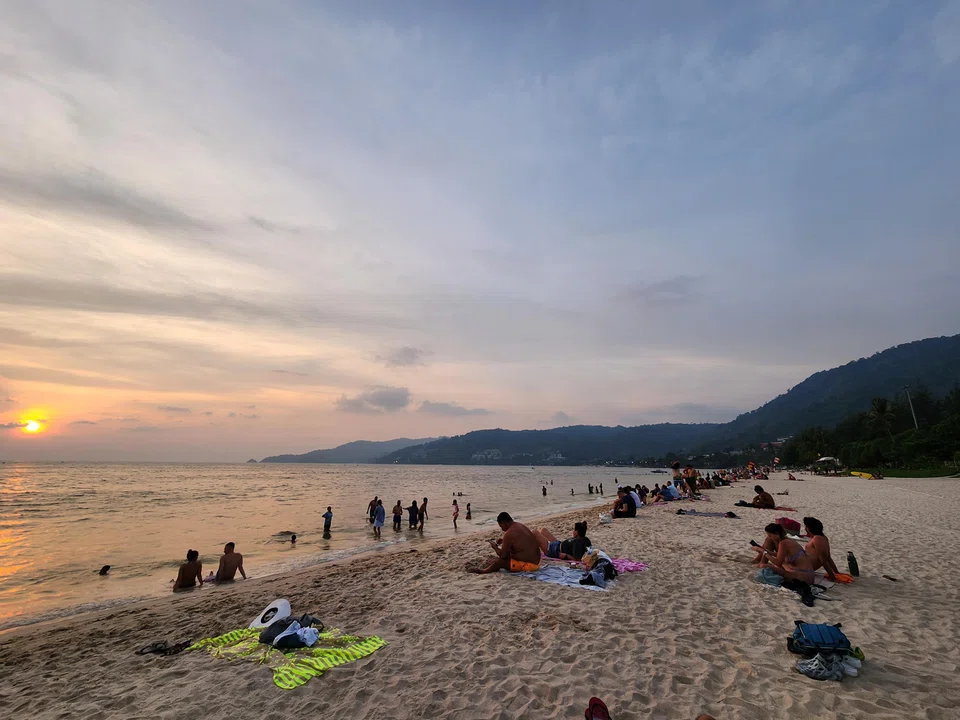
Anutin visited the tourist hotspot Phuket earlier this week and pledged no tolerance for foreign “thugs” who encroach on public beaches to run illegal businesses and threaten locals. The recent arrest of a Chinese national with a cache of arms in Pattaya, another popular tourist destination, has heightened national security concerns.
The review is a response to long-standing complaints from local businesses – especially in areas popular with foreign tourists – that their livelihoods are being threatened by visitors who misuse visas to engage in prohibited activities.
Anutin, whose conservative Bhumjaithai party party leads the ruling coalition, told reporters this week that he was not looking to completely scrap free visas as Thailand can still generate enormous revenue from foreign tourists entering the country legally.
“Free visas are not about unconditional entry,” Anutin said on Monday (May 11). “We need to find the best balance.”
Anutin’s comments underscore the dilemma facing Thailand as it weighs how far to restrict entry without damaging economic interests, after generating nearly US$50 billion from 33 million foreign visitors last year.
Proposals to reduce visa-free stay durations and impose an entry fee on all foreign holidaymakers have met resistance from the domestic tourism industry, which cautions that Thailand could lose out to Vietnam and Malaysia.
SEE ALSO





Thailand has emerged as a haven for those fleeing the Russia-Ukraine war and the Israel-Palestine conflict in recent years, but for years has had to deal with visitors engaging in prohibited business activities or using local proxies to circumvent regulations.
A recent crackdown revealed that foreigners had illegally built bars and restaurants on a Phuket beach, sparking a public outcry. Phuket police have charged 33 foreigners, including 13 Russian and 12 Chinese nationals, in more than a dozen cases for violating Thailand’s foreign business law.
As authorities intensify enforcement, Anutin is due to visit Koh Phangan – a resort island known for its full-Moon parties – on Wednesday to oversee a clampdown on businesses run by foreigners but registered as Thai-owned enterprises.
The government supports legitimate, transparent, and beneficial foreign investment but will not allow illicit capital, nominee arrangements, or economic crime networks to profit from operating in Thailand, according to Rachada.
“The Prime Minister has instructed security forces, administrative authorities, the commerce ministry, and related agencies to inspect all areas nationwide,” Rachada said. “If any exploitation of legal loopholes that deprives Thai citizens of jobs and livelihoods is found, decisive legal action must be taken.” BLOOMBERG
Decoding Asia newsletter: your guide to navigating Asia in a new global order. Sign up here to get Decoding Asia newsletter. Delivered to your inbox. Free.
Share with us your feedback on BT's products and services
TRENDING NOW
Companies still in search of AI use cases with worthwhile ROI, says Broadcom’s CEO

Malaysian king buys stake in Singapore-listed mining firm expanding into rare earths

Once staunchly pro-China, Malaysian Chinese businesses are now distancing themselves from Beijing
Singapore’s wealth management success should extend to everyday families

