



Thailand eyes US$600 million tourism boost with travel subsidies
It faces a slow return of international visitors and rising costs due to higher oil prices
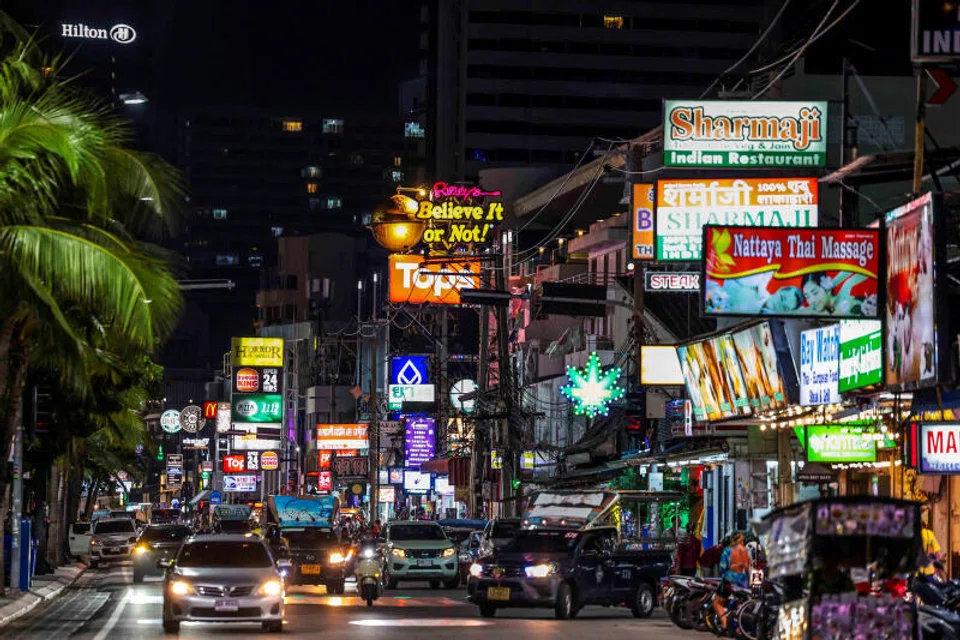
THAILAND is targeting more than 20 billion baht (US$602 million) in additional tourism spending with a domestic travel stimulus aimed at shoring up a key economic engine hit by weaker foreign arrivals and higher energy costs.
The government plans to spend around 4 billion baht to subsidise hotel stays and other tourism expenses, according to Tourism and Sports Minister Surasak Phancharoenworakul.
The package, covering one million entitlements, is expected to go before the cabinet on Sep 22.
The measure reflects Thailand’s growing reliance on domestic travellers to cushion the sector as it struggles with the slow return of international visitors and rising costs tied to higher oil prices.
Tourism is a major source of jobs and foreign exchange for Thailand, making the slowdown a broader concern for an economy already grappling with sluggish growth.
Thailand welcomed 21.7 million foreign tourists through Saturday (Sep 12), down 3.4 per cent from a year earlier, while their spending fell 1.9 per cent to 1.06 trillion baht.
Domestic travel has held up better, with trips by Thais rising 2 per cent to 142 million baht and spending up 1.9 per cent to 824.6 billion baht.
Under the plan, the government will subsidise accommodation by as much as 2,000 baht per entitlement.
Travellers will also receive co-payment vouchers worth as much as 2,000 baht for restaurants, spas, shops and tourism activities, with larger benefits available in secondary destinations. Each person can use up to five entitlements.


Subsidies are scheduled to run from Nov 1 to Dec 15, pause during the peak New Year period and resume from Jan 16 through the end of February 2027.
Observers question programme timing, efficacy
Hotel operators welcomed the support but questioned the timing. November marks the beginning of Thailand’s traditional high season, when many people would travel even without government incentives.
“The package should help encourage people who may not travel to come out during the implementation period,” said Thienprasit Chaiyapatranun, president of the Thai Hotels Association.
The government should instead have saved the package for the low season in 2027, he added.
The industry is heading into high season after a difficult year. Prakit Chinamourphong, a long-time hotel industry executive and former president of the Thai Hotels Association, expects about 30 million to 31 million foreign arrivals in 2026, below what he described as a more normal level of around 35 million.
The industry is also contending with excess capacity after developers added hotels in anticipation of a stronger post-pandemic recovery, according to Prakit.
Economists, meanwhile, question whether a programme of this size can materially lift growth.
“We don’t expect the programme to boost the economy as the amount of money is not much, but it should help boost sentiment,” said Nattaporn Triratanasirikul, an economist at Kasikorn Research Center.
Even the government’s much larger 200 billion baht consumption stimulus, which will end in September, is expected to add only about 0.3 percentage point to economic growth, according to Nattaporn, suggesting the tourism package will have little measurable impact on gross domestic product.
The government plans to extend that broader cash handout programme into the final quarter of 2026 to help ease living costs for millions of citizens, Prime Minister Anutin Charnvirakul said over the weekend.
For Pipat Luengnaruemitchai, chief economist at Kiatnakin Phatra Financial Group, the key question is how much new travel the subsidy will generate rather than simply subsidising trips that would have happened anyway.
“Having this package is definitely better than not having it,” Pipat said. “But the question is whether the benefits justify the cost.” BLOOMBERG
Decoding Asia newsletter: your guide to navigating Asia in a new global order. Sign up here to get Decoding Asia newsletter. Delivered to your inbox. Free.
Share with us your feedback on BT's products and services
TRENDING NOW
PSD reviewing paper that alleges civil servants disproportionately bought homes near unannounced MRT stations

CapitaLand Investment’s retrenchments: Mind the downsides of a profitable business laying off staff

In a business takeover, how can landlords in Singapore protect themselves?
How Asia’s next generation is rewriting legacy through entrepreneurship

