Thailand rushes to secure oil, fertiliser as Strait of Hormuz remains shut
Despite talk of a US-Iran ceasefire extension, policymakers are still on high alert in South-east Asia
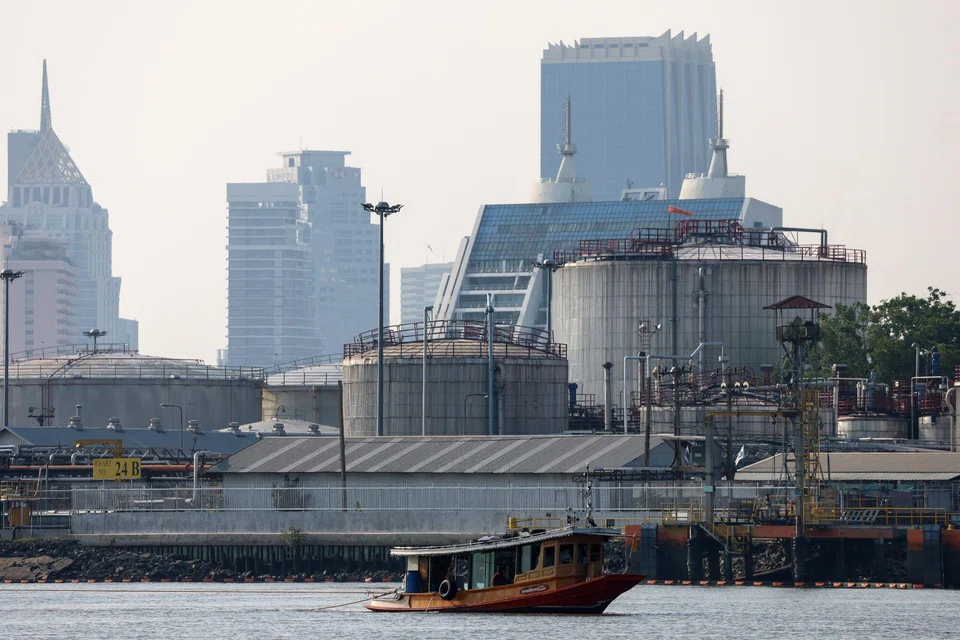
[BANGKOK] Thailand is racing to secure new shipments of oil and fertiliser as an intensifying stand-off over the Strait of Hormuz drains its reserves.
The country’s Foreign Minister Sihasak Phuangketkeow travelled to Oman this week to negotiate emergency fuel supplies and press for the safe passage of Thai vessels through the strategic waterway.
Iranian projectiles last month struck the Thai-flagged Mayuree Naree and killed three crew members.
Agriculture Minister Suriya Jungrungreangkit, meanwhile, asked Russia to supply one million to two million tonnes of urea fertiliser annually at “friendly rates”. Companies such as PhosAgro and Ural Chem have expressed interest in long-term contracts.
Despite talk of a US-Iran ceasefire extension, policymakers are still on high alert in South-east Asia, which depends heavily on the Middle East for energy and key agricultural inputs. Thailand has about three months of oil supply and roughly one month of fertiliser reserves if shipments continue to be disrupted.
Fuel, particularly diesel, and fertilisers are critical to Thailand’s economy, supporting factories, farms and millions of rural households reliant on rice and other crops. More than half of Thailand’s oil and urea fertiliser imports come from the Middle East, much of it shipped through Hormuz.
Rising fertiliser costs are already threatening the main planting season between May and July, when demand peaks. Higher input costs could cut output by 21 per cent, resulting in a 19 per cent decline in farmers’ income, according to a note from Kasikorn Research Center.
In the week ended Apr 8, Thai white rice 5 per cent broken – an Asian benchmark – jumped 10 per cent, the biggest gain since August 2023.
On Wednesday (Apr 15), in Washington, Finance Minister Ekniti Nitithanprapas floated raising the public debt ceiling to create fiscal space to manage the fallout from the Middle East conflict.
SEE ALSO



The Thai government on Apr 11 approved a 3.7 billion baht (S$147 million) relief package to ease the immediate economic impact from the conflict.
It also endorsed a broader soft-loan package to support longer-term adjustment, including five billion baht for clean energy measures, 30 billion baht for farmers, and 100 billion baht for small and medium-sized enterprises. BLOOMBERG
Decoding Asia newsletter: your guide to navigating Asia in a new global order. Sign up here to get Decoding Asia newsletter. Delivered to your inbox. Free.
Share with us your feedback on BT's products and services