Thailand’s Red Bull family romps to pole position as nation’s richest, dethrones Chearavanont brothers
Group turnover of 10.6b euros in 2023 played a role in adding to Yoovidhya family’s wealth to a record US$36b: Forbes

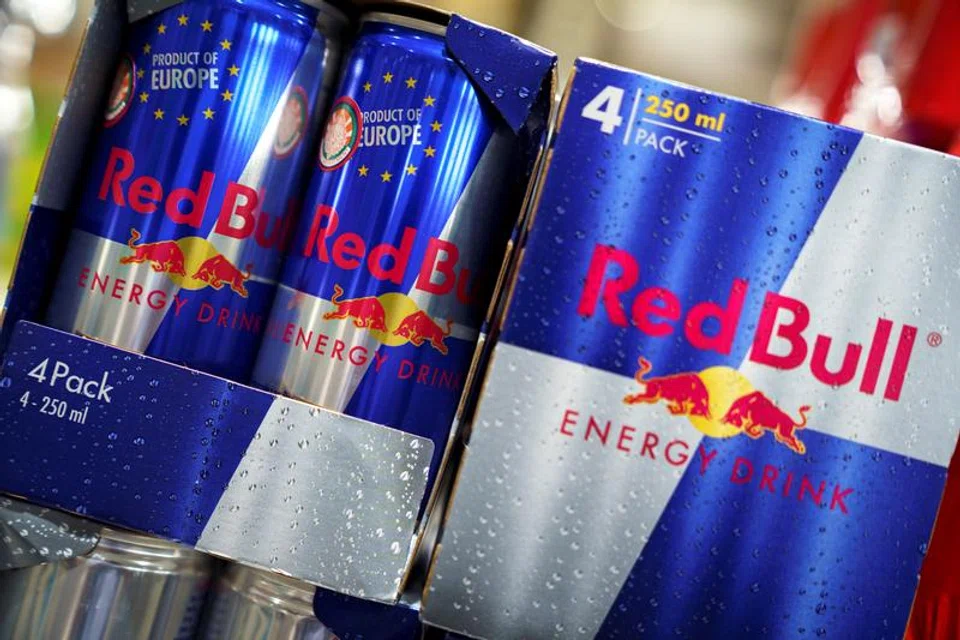
YOU know the logo when you see it.
Two bulls butt heads in front of a golden sphere. It is plastered not just on energy drink cans in vending machines, but also on Formula 1 race cars, at BMX and cliff diving events, a paper aeroplane competition and, once, even in space.
If there is a case to be made for marketing success, Red Bull takes the cake – and the cherry on top.
In 2023, the energy drinks company sold a record of more than 12 billion cans worldwide, or roughly 33 million cans every day. Group turnover climbed 9 per cent to 10.6 billion euros (S$15.5 billion).
This played a role in adding US$2.6 billion to the wealth of its co-owners Chalerm Yoovidhya and his family, whose wealth rose to a record US$36 billion, said Forbes.
Knocked out of first place were the Chearavanont brothers of the Charoen Pokphand group, one of Thailand’s largest conglomerates and among the world’s largest producers of animal feed and livestock.
The three siblings and the family of their late brother, who all occupied the top spot for nearly a decade, saw their net worth slip to US$29 billion from US$34 billion.
This decline was partly due to a slump in share prices of one of their holdings, China’s Ping An Insurance, which reported a US$2.7 billion loss in its asset management business last year.
Birth of Red Bull
The Red Bull story began almost five decades ago.
Thai businessman Chaleo Yoovidhya, an antibiotics salesman who founded his own pharmaceutical company, ventured into the energy drinks market after seeing potential in the domestic beverage market.
In 1976, Chaleo – born to Chinese immigrant parents – started selling a caffeinated, non-carbonated syrupy energy drink under the name Krating Daeng (Thai for red gaur, a bovine native to South and South-east Asia).
It was a hit among the working class in Thailand and, within two years, became the kingdom’s most popular energy drink.
Halfway across the world in the 1980s, Austrian Dietrich Mateschitz, who was working for Blendax – a German manufacturer of hygiene products and toothpaste, travelled to Thailand on a work trip.
After downing a bottle of Krating Daeng, the jet-lagged marketing graduate found that it cured him of his fatigue. He recognised the potential of the drink, and from there sparked the idea of marketing the product internationally.
Both Mateschitz and Chaleo invested US$500,000 into the business and took a 49 per cent stake each, with the remaining 2 per cent going to Chaleo’s eldest son of 11 children, Chalerm.
Its first export market was Singapore in 1982, and a carbonated version of the energy drink was launched in Austria on Apr 1, 1987.
The business continued expanding internationally – the first can of Red Bull was sold in Germany in 1994, in the UK in 1995, then in the US in 1997.
By 2001, the company had sold its billionth can.
Today, Red Bull is sold in more than 175 countries and dominates the global energy drinks market.
When Chaleo died of natural causes in March 2012 at the age of 89, he was listed as the third-richest in Thailand, with a net worth of US$5 billion, according to Forbes. After his death, Chalerm took over the business.
Alleged abuse of power
The family’s wealth has not come without controversy.
In a high-profile case that rocked Thailand the autumn of 2012, Chalerm’s youngest son, Vorayuth, was involved in a deadly hit-and-run case.
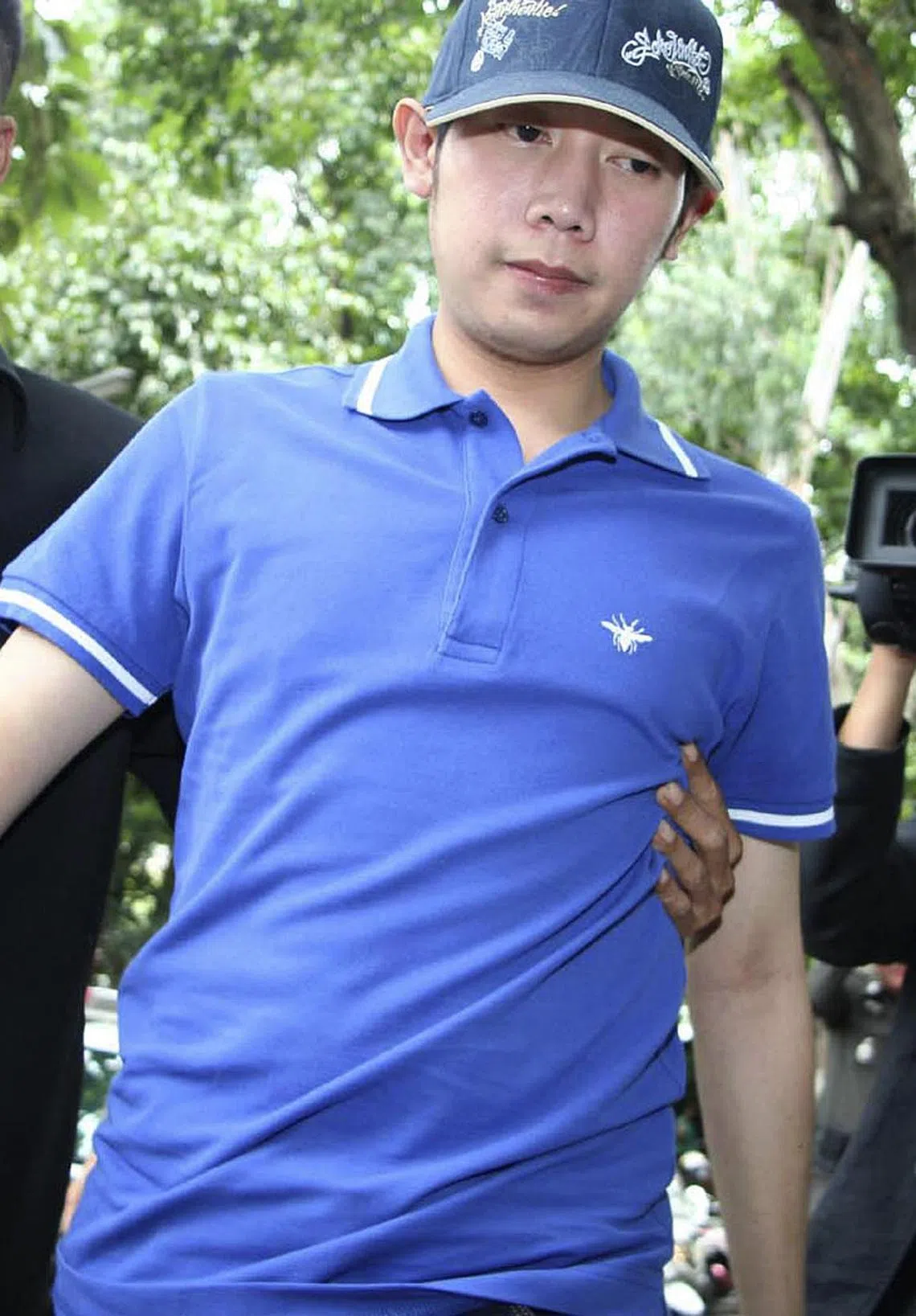
Then 27, he was accused of killing a police officer on a motorcycle with his grey Ferrari and fleeing the scene.
Investigators followed a trail of engine oil to a gated estate owned by the family, and found Vorayuth’s dented vehicle with deployed airbags and a smashed windscreen.
The waters were muddied further when the police tried to cover up his involvement, and arrested a family driver who claimed he had been behind the wheel.
Former police chief Somyot Poompanmoung and seven other officials were indicted in February this year for aiding the Red Bull heir in evading criminal charges.
But Vorayuth, nicknamed “Boss”, still remains at large.
He fled Thailand in a private jet in 2017, missing a summons for the eighth time since legal proceedings against him started a year prior.
In 2022, his cocaine abuse charge lapsed after the statute of limitations expired, leaving only one remaining charge of reckless driving causing death, which carries a penalty of up to 10 years in jail.
The statute of limitations on the reckless driving charge will expire on Sep 3, 2027.