US-based Cequence Security opens Singapore office as it eyes Asia-Pacific growth
The region accounts for about a third of the company’s revenue

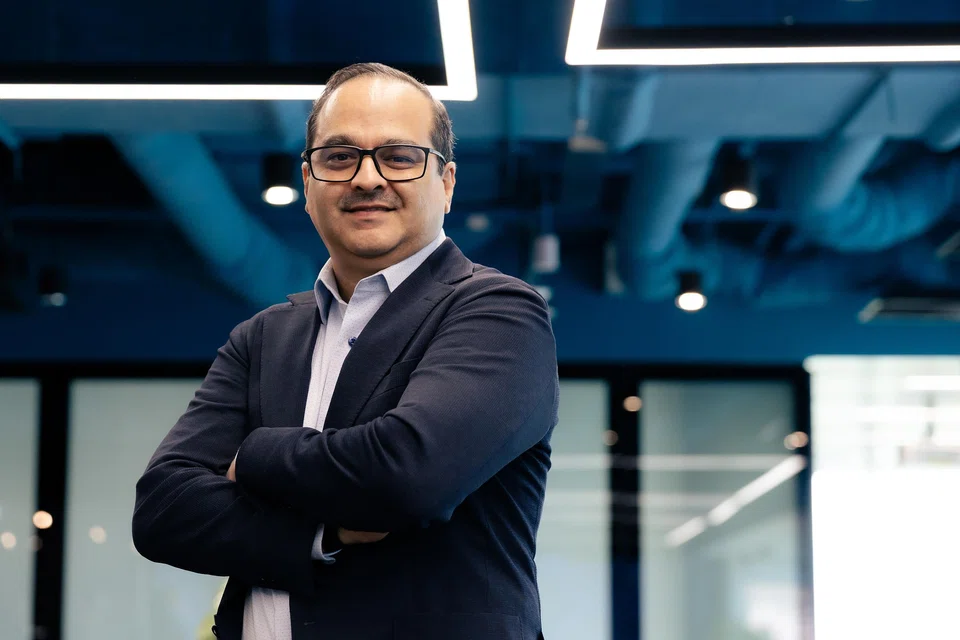
[SINGAPORE] Privately held US cybersecurity firm Cequence Security is positioning Singapore as its Asia-Pacific headquarters as it expands its presence in the region.
The Santa Clara, California-based company opened its Singapore office on Nov 1.
Cequence Security founder and CEO Ameya Talwalkar told The Business Times that the company plans to hire an initial leadership team of three to five people over the next 18 months.
The Singapore office will grow in line with business performance and its team will also oversee other teams in the region, Talwalkar said.
The initial hires are expected to focus on sales, with technical roles to be added later, he said.
Cequence already “works with several entities” in Singapore, said Talwalkar. He declined to name them, but said they include both public- and private-sector organisations in telecommunications, financial services, retail and commercial aviation.

Asia-Pacific accounts for about a third of Cequence’s revenue. Its notable clients in the region include Japan’s NTT Docomo and Philippine Airlines.
The company has not disclosed its full financial results. Talwalkar said it expects to break even next year, based on its current business trajectory.
Founded in 2014, Cequence initially focused on bot defence, including measures to stop automated attacks and the creation of fake accounts. It later expanded into application programming interface (API) security as attacks increasingly included the APIs behind apps as well.


The company is now positioning itself as a provider of security solutions for artificial intelligence agents.
Talwalkar said that the use of AI agents by enterprises and individuals will only increase in the coming years as companies seek greater efficiency and individuals look for convenience.
For example, Cequence’s solutions can help companies to assess if a transaction is being made by an AI agent or a human. The solutions can be tailored to a specific company’s comfort level with allowing the external use of agents.
“Some customers are welcoming of agents. What they don’t want is agents having revenue impacting interactions, so like a telco has told us never let them cancel a plan, change their passwords or downgrade their plans,” he said.
Talwalkar also cited a Fortune 50 bank in the US that works with Cequence. The bank does not want external AI agents to make bookings for customers using its exclusive dining services. Instead, it wants customers to use its own enterprise AI agents for such reservations. Cequence’s solutions can help the bank distinguish between external agents and those operating within its own systems, the CEO added.
Talwalkar expects such discussions and decisions to become more common in Singapore and across the Asia-Pacific, which he said has generally been receptive to AI adoption.
“Singapore is a fast follower of agentic AI after the US, that’s our analysis,” he said. “There’s a lot of innovation happening all the way from government agencies to the private sector.”
He also sees the Philippines, Vietnam and Indonesia making rapid progress in adopting agentic AI.
Talwalkar acknowledged that larger competitors offer similar solutions, but said their products tend to focus either on internal cybersecurity or on threats originating outside an organisation. He said that Cequence is the only company that straddles both.
“We were able to solve this problem for some very large telcos in the US. We understood all the challenges they had in securing their infrastructure and then interacting with their customers as well,” he noted.
Decoding Asia newsletter: your guide to navigating Asia in a new global order. Sign up here to get Decoding Asia newsletter. Delivered to your inbox. Free.
Copyright SPH Media. All rights reserved.