Oil shocks triggered by Middle East war ripple through South-east Asia
Oil-fuelled inflation is showing up in higher transport and food costs, electricity prices, fuel prices and bigger fuel subsidy bills for governments
 Add BT as a preferred source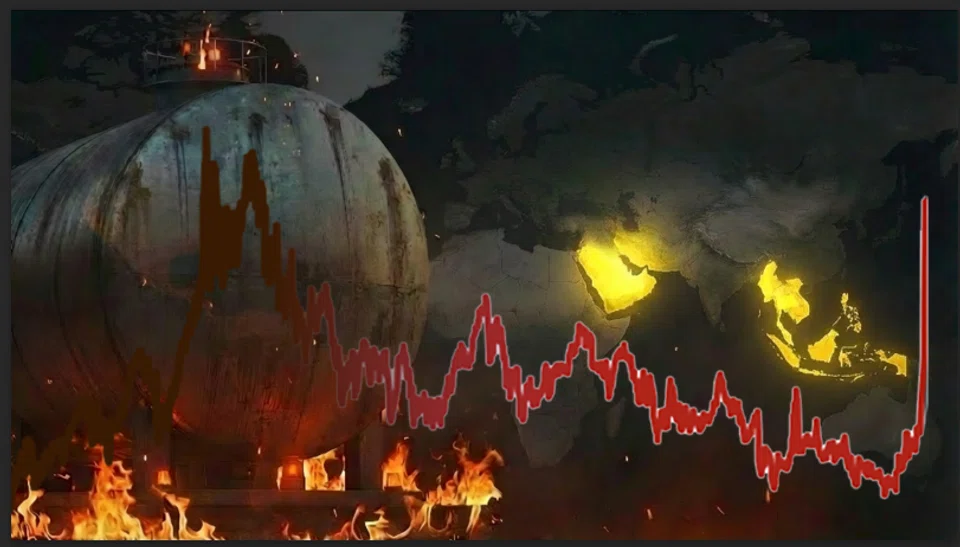
DeeperDive is a beta AI feature. Refer to full articles for the facts.
[SINGAPORE, JAKARTA, KUALA LUMPUR, HO CHI MINH CITY] A surge in oil prices past US$100 a barrel, with analysts warning it could move towards US$150, is exposing South-east Asia’s heavy reliance on imported energy from the Middle East.
Shockwaves are already rippling through the region: It has raised transport and food production costs in the Philippines, threatened electricity prices in Thailand, swelled subsidy bills in Malaysia and Indonesia, and pushed pump prices in Singapore towards levels last seen during the 2022 energy crisis.
Nomura analysts warn that the region faces stagflationary shock, the severity of which would depend on the duration of the disruption. “If it sustains, then firms could face margin pressure and production cuts, and consumers could face higher food prices,” Nomura said.
Decoding Asia newsletter: your guide to navigating Asia in a new global order. Sign up here to get Decoding Asia newsletter. Delivered to your inbox. Free.
Copyright SPH Media. All rights reserved.