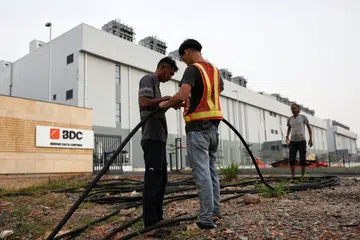
Vietnam rushes biofuel rollout as Iran war prompts energy pivot
The move follows similar drives in Indonesia and Thailand
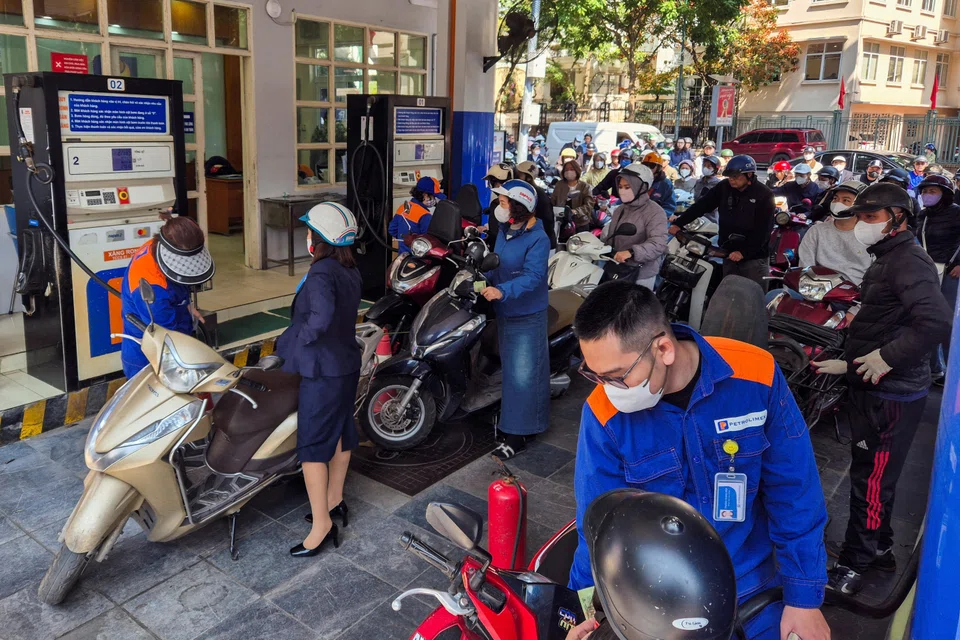
VIETNAM has moved up its timeline for the mandatory use of biofuel despite concerns over supply levels, quality and cost, as it seeks to strengthen energy security while the Middle East conflict drags on.
A nationwide rollout of E10, a mix of 10 per cent ethanol and 90 per cent unleaded petrol, aims to start at the end of this month, ahead of an original June timetable, according to a trade ministry draft regulation. The move, which follows similar drives in Indonesia and Thailand, is intended to reduce dependence on petroleum products that are becoming increasingly expensive as the Iran war disrupts global oil and gas supplies.
Domestic production will only be able to meet about 40 per cent of estimated demand once at full capacity and the country will need to rely on imports from countries such as the US and Brazil to bridge the gap. That could still leave it exposed to volatility from logistics disruptions and price fluctuations, said Do Van Dung, president of Ho Chi Minh City Society of Automotive Engineers.
For customers at one Ho Chi Minh City fuel station last week, news of the switchover came as a surprise. 50-year-old Huynh Thanh Binh, who works in the financial sector, said that he was not aware of the change and had never used biofuel previously, as he’d heard it could harm his engine.
“If biofuel becomes mandatory, then we have no choice,” Binh said. If the level of engine wear is minimal compared to the cost savings, then people will support it, he said. “But if the damage is significant, it could generate public discontent.”
Local operators are rushing to prepare for the early launch. Dung Quat bio-ethanol plant is expected to reach full capacity this month, producing about 330 cubic metres of ethanol per day. Ethanol demand is projected at around 1.1 million cubic metres per year following the rollout, according to the trade ministry. The country can generate around 400,000-500,000 cubic metres of ethanol annually if all of its six plants operate at maximum capacity.
'%3e%3cpath%20d='M12.1475%2025.5262C13.7713%2025.4295%2014.94%2023.913%2014.94%2021.8832C14.94%2019.5359%2013.474%2018.093%2011.5917%2018.093C11.3745%2018.093%2010.9582%2018.093%2010.8393%2018.1413V25.2086L11.8891%2025.5745C11.8891%2025.5745%2012.207%2025.5262%2012.1475%2025.5262ZM11.4934%2017.6281C13.2567%2017.6281%2014.3843%2016.4292%2014.3843%2014.4501C14.3843%2012.372%2013.275%2011.2973%2011.4339%2011.2973H10.8393V17.6305H11.4934V17.6281ZM6.66078%2025.6482L7.39265%2025.5492C8.02617%2025.4502%208.26403%2025.3053%208.26403%2025.1097V11.6149C8.26403%2011.4193%208.1451%2011.3709%207.23484%2011.249L6.68137%2011.173L6.6219%2010.7588H11.9508C15.7153%2010.7588%2017.0624%2012.0797%2017.0624%2014.1578C17.0624%2015.9666%2015.7748%2017.1909%2013.4969%2017.6305V17.7041C16.111%2017.948%2017.6571%2019.5382%2017.6571%2021.7636C17.6571%2024.3318%2015.8937%2026.0417%2012.1109%2026.0417H6.60132L6.66078%2025.6482Z'%20fill='%232B2B2B'/%3e%3cpath%20d='M20.6287%2025.6505L21.5596%2025.5515C22.1725%2025.4779%2022.4104%2025.3076%2022.4104%2025.112V11.249H21.9346C20.073%2011.3479%2018.982%2013.0095%2018.408%2014.6227L18.1907%2015.5018H17.6555L18.1701%2010.7588H29.3837L29.6421%2015.4787H29.1664L28.9491%2014.6227C28.3728%2012.8645%2027.3047%2011.2743%2025.5002%2011.249H24.9856V25.1856C24.9856%2025.3812%2025.1251%2025.4548%2025.9965%2025.5515L26.7695%2025.6505L26.829%2026.0417H20.5693L20.6287%2025.6505Z'%20fill='%232B2B2B'/%3e%3c/g%3e%3cdefs%3e%3cclipPath%20id='clip0_5242_21648'%3e%3crect%20width='24'%20height='16.8'%20fill='white'%20transform='translate(6%2010)'/%3e%3c/clipPath%3e%3c/defs%3e%3c/svg%3e)
The E10 plan is expected to revive domestic production, but it will take time, said Bui Ngoc Bao, chairman of the Vietnam Petroleum Association. “Building new facilities cannot be done overnight, meaning Vietnam will likely continue to rely on imported ethanol in the near term,” Bao said.
The crop source is there once the production capacity is ready. The main feedstock of domestic ethanol is cassava, of which around 2.7 million tonnes would be required for ethanol production, equivalent to about 25 per cent of overall national production, according to state media.
Vietnam began the transition to biofuel in 2014 with the introduction of E5 petrol, a fuel mix with 5 per cent ethanol. But rates of adoption have fallen short of expectations, with E5 sales accounting for only around 21 per cent of total petrol consumption in 2024. That’s made it tough for local producers to stay afloat, with many having to sell at a loss and operating below capacity.


Locally-made fuel is also less competitive than some imports, according to Nguyen Dinh Quan, head of the biofuel research group at Ho Chi Minh City University of Technology. “China can generate additional by-products during the production process, making it more cost-efficient.”
Compounding supply challenges are consumer doubts. E5 petrol has fallen short partly due to concerns that ethanol blending reduces quality, according to Quan. “If blending is not properly handled, the biofuel could potentially affect engine performance,” he said.
Under the current plan, E5 petrol will be produced and sold nationwide together with E10 until the end of 2030. The aim is that it enhances energy security, boosts the agricultural sector and reduces emissions as Vietnam targets net zero by 2050.
Back at the pump, 34-year-old office worker Nguyen Hoang Nam said that he sometimes uses E5, but it’s not always available.
“What matters to us is whether this biofuel is compatible with motorbike engines and whether the price is reasonable,” he said. BLOOMBERG
Decoding Asia newsletter: your guide to navigating Asia in a new global order. Sign up here to get Decoding Asia newsletter. Delivered to your inbox. Free.
Share with us your feedback on BT's products and services