



US optimistic of deal with Iran as it increases economic pressure
US President Donald Trump has said that he believes the war he launched with Israel in late February is nearly over
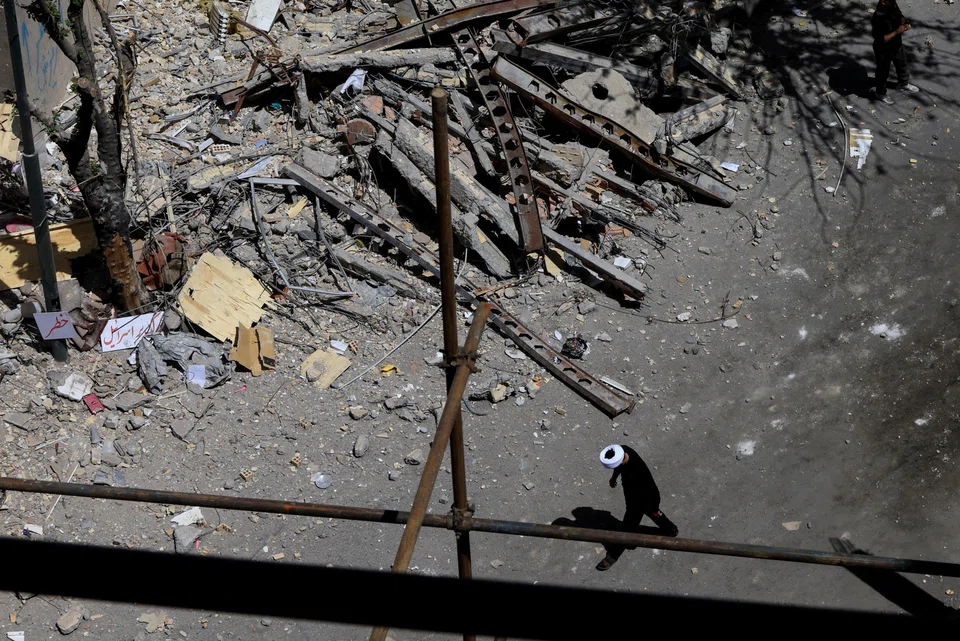
[WASHINGTON/DUBAI] The Trump administration expressed optimism on Wednesday (Apr 15) about reaching a deal to end the war with Iran, while also warning of increasing economic pressure against Teheran if it remains defiant.
US President Donald Trump has said that he believes the war he launched with Israel in late February is nearly over, even as a shipping blockade he announced came into effect and traffic through the Strait of Hormuz remained well below normal levels. The US warned it could add secondary sanctions on buyers of Iranian oil in an apparent effort to gain leverage ahead of more negotiations, just weeks after Washington loosened the enforcement of some Iran energy sanctions.
US and Iranian officials were weighing a return to Pakistan for further talks as early as the coming weekend, after negotiations ended on Sunday without a breakthrough. Mediator Pakistan’s army chief arrived in Teheran on Wednesday to try to prevent a renewal of the conflict.
“We feel good about the prospects of a deal,” White House press secretary Karoline Leavitt said at a news conference, calling conversations mediated by Pakistan “productive and ongoing”. She denied reports that the US had formally requested an extension of a two-week ceasefire agreed by the two sides on Apr 8.
More in-person talks had not yet been confirmed but would likely take place in Pakistan again, Leavitt said. Pakistan’s military confirmed Field Marshal Asim Munir had arrived in Teheran. A senior Iranian source told Reuters that Munir, who had mediated the last round of talks, would seek “to narrow gaps” between the two sides. Foreign Minister Abbas Araqchi posted on X, welcoming Munir and said that Iran was committed to “promoting peace and stability in the region”.
The talks last weekend broke down without an agreement to end the war, which Trump began alongside Israel on Feb 28, triggering Iranian attacks on Iran’s Gulf neighbours and reigniting a conflict between Israel and Iran-backed Hezbollah in Lebanon.
Economic pressure on Iran
Treasury Secretary Scott Bessent, speaking alongside Leavitt, predicted that China’s purchase of Iranian oil would “pause” given the US blockade on vessels calling at Iranian ports. He said that the US could impose secondary sanctions on countries that purchase Iranian crude.
The US Treasury had warned two Chinese banks not to process Iranian money or face sanctions, he said, without naming the banks. China previously bought more than 80 per cent of Iran’s shipped oil.
“The Iranians should know that this is going to be the financial equivalent of what we saw in the kinetic activities,” Bessent said, referring to the US and Israeli campaign of airstrikes that killed a number of Iranian leaders and damaged its defensive capacities and navy.
SEE ALSO

He also said the US would not renew waivers that allowed the purchase of some Russian and Iranian oil without facing US sanctions. The moves signal an end to the Trump administration’s efforts to use the waivers to free up more oil supplies and lower soaring global energy prices.
The war has led Iran to effectively shut the Strait of Hormuz – a vital artery for global crude and gas shipments – to ships other than its own, sharply reducing exports from the Gulf and leaving energy importers scrambling for alternative supplies.
Iran could consider allowing ships to sail freely through the Omani side of the strait without risk of attack as part of proposals it has offered in negotiations with the US, providing a deal is clinched to prevent renewed conflict, a source briefed by Teheran said. Finance ministers from almost a dozen countries, led by Britain, called on the US, Israel and Iran to implement their ceasefire in full and said that the conflict would weigh on the global economy and markets even if it was resolved soon.
Tankers intercepted
During the first 48 hours of the US blockade on ships entering and exiting Iranian ports, no vessels have made it past US forces, the US military said. Additionally, nine vessels complied with the direction from US forces to turn around and return towards an Iranian port or coastal area.
However, Iran’s Fars News agency said that an Iranian supertanker subject to US sanctions crossed the strait towards Iran’s Imam Khomeini port despite the blockade. Fars did not identify the tanker or give further details of its voyage.
Iran’s joint military command warned it would halt trade flows in the Gulf, the Sea of Oman and the Red Sea – which connects to the Suez Canal – if the US blockade continued.
Trump has also threatened to escalate if the war resumes.
“We could take out every one of their bridges in one hour. We could take out every one of their power plants, electric power plants, in one hour. We don’t want to do that...so we will see what happens,” he told Fox Business Network.
Talks complicated by nuclear issue, Lebanon
Iran’s nuclear ambitions were a key sticking point at last weekend’s talks. The US proposed a 20-year suspension of all nuclear activity by Iran – an apparent concession from longstanding demands for a permanent ban – while Teheran suggested a halt of three to five years, according to sources familiar with the proposals.
Washington has also pressed for any enriched nuclear material to be removed from Iran, while Teheran has demanded that international sanctions against it be lifted.
One source involved in the talks said back-channel discussions had made progress in narrowing gaps, bringing the two sides closer to a deal that could be presented at a new round of talks. Further complicating peace efforts, Israel has continued to attack Lebanon as it targets Iran-backed Hezbollah. Israel and the US say that the campaign is not covered by the ceasefire, while Iran insists it is. Israeli Prime Minister Benjamin Netanyahu said in a video statement on Wednesday evening that Israel was “prepared for any scenario” when it comes to the war with Iran. REUTERS
Decoding Asia newsletter: your guide to navigating Asia in a new global order. Sign up here to get Decoding Asia newsletter. Delivered to your inbox. Free.
Share with us your feedback on BT's products and services
TRENDING NOW

Once staunchly pro-China, Malaysian Chinese businesses are now distancing themselves from Beijing

Cliff Tan has 7 million followers and a 4-month waitlist. Why won’t he expand his business?

Could stablecoins be the future of money?

Grab CEO’s wife Chloe Tong on life with Anthony Tan and finding her purpose

