



Vietnam says US trade deal nearly done with final text sent
Transshipment and non-tariff barriers were among the main sticking points
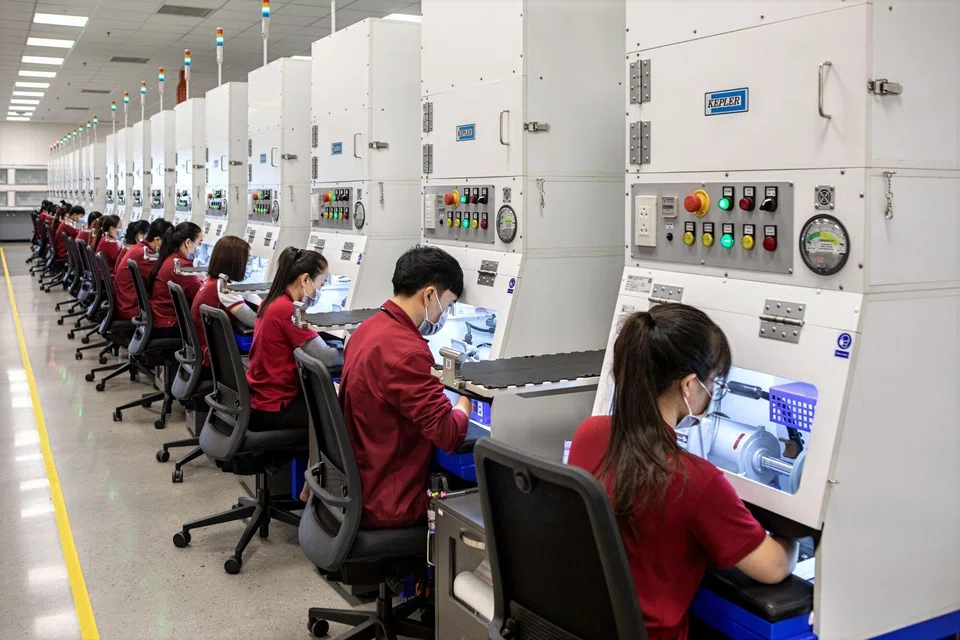
VIETNAM has “essentially completed” talks on a US trade deal and submitted its final remarks to Washington after months of negotiations over tariffs and other trade barriers.
“We have sent the final comments to the US side and if both sides agree on this, we will sign the deal soon,” Deputy Prime Minister Pham Gia Tuc said at a US-Vietnam business summit in Hanoi on Wednesday. “It will open up greater opportunities for businesses in both countries.”
An agreement would give exporters greater certainty as Vietnam faces the threat of additional US tariffs from ongoing trade investigations.
The South-east Asian manufacturing hub has spent months negotiating with Washington, with transshipment and non-tariff barriers among the main sticking points.
“President Trump is clear that trade must be balanced and reciprocal,” Jennifer Wicks, US Ambassador to Vietnam, said at the event, noting that the two governments continue to negotiate an agreement.
American firms seeking to invest in Vietnam need the right conditions to do so with confidence, she said, adding that investment depends on clear and predictable laws and regulations.
The two countries are “very close” to a trade deal, President To Lam told Bloomberg News in an interview last month. Vietnam has repeatedly pledged to buy more US high-tech goods, including aircraft and liquefied natural gas, as it seeks to narrow its trade surplus with its largest export market.
Factories continue to send record shipments to the US despite the risk of further tariffs. Exports helped drive economic growth to 9.95 per cent in the third quarter, putting the government’s double-digit target for the year within reach.
The trade surplus with the US widened 23.8 per cent to US$122.6 billion in the first nine months from a year earlier, according to Vietnamese data.

The country ranks alongside Mexico, Taiwan and China among economies running the largest trade imbalances with the US.
“Hanoi now needs to make bold moves to address this trade imbalance,” Michael George DeSombre, US Assistant Secretary of State for East Asian and Pacific Affairs, said in video remarks at the event.
Concluding the deal would help rebalance trade, he said, highlighting the need to address non-tariff barriers including motor vehicle safety and emissions standards, among others.
“In this regard, I strongly encourage Vietnam to look carefully at those industries where foreign ownership is capped, particularly those where it is capped below 50 per cent,” DeSombre added.
In addition to the 12.5 per cent tariff applied to most Vietnamese goods entering the US, findings from American trade probes into alleged excess manufacturing capacity and intellectual property violations could result in higher levies on the country’s manufacturers. That has added pressure on negotiators to finalise an agreement.
As Vietnam pursues 10 per cent growth, pressure is growing on an electricity market that the government is seeking to overhaul.
Prime Minister Le Minh Hung has called for a review of power projects that are behind schedule, as plans to rapidly expand LNG imports run into red tape and financial hurdles that have delayed nearly all of the country’s proposed developments.
Energy project developers need policies that are “consistent and facilitate investment,” Wicks said. They also need clear rules on pricing, dispatch, and direct power purchases, she added. “Getting these terms right will determine whether Vietnam’s power plans generate power plants.” BLOOMBERG
Decoding Asia newsletter: your guide to navigating Asia in a new global order. Sign up here to get Decoding Asia newsletter. Delivered to your inbox. Free.
Share with us your feedback on BT's products and services
TRENDING NOW

Once staunchly pro-China, Malaysian Chinese businesses are now distancing themselves from Beijing

Looking beyond looming CEO succession, should UOB potentially pursue a transformative merger?

Could stablecoins be the future of money?

Grab CEO’s wife Chloe Tong on life with Anthony Tan and finding her purpose

