



Vietnam’s big golf bet on Trump: Three swings, one strategy
The US president’s golf ventures align with Vietnam’s push to lure high-end property investors, court global golfers, and smooth over trade tensions with Washington

[HO CHI MINH CITY] Once considered a niche sport in Vietnam, golf is now capturing wider attention as world-class players, top course designers and deep-pocketed investors – including US President Donald Trump – are drawn to the country’s postcard-perfect landscapes.
From the sweeping coastlines of Da Nang and Vung Tau to the mountains and lakes near the capital Hanoi, Vietnam is fast becoming Asia’s next golf playground – drawing in luxury resorts, tee-time diplomacy, and a surge in championship courses and upscale developments.
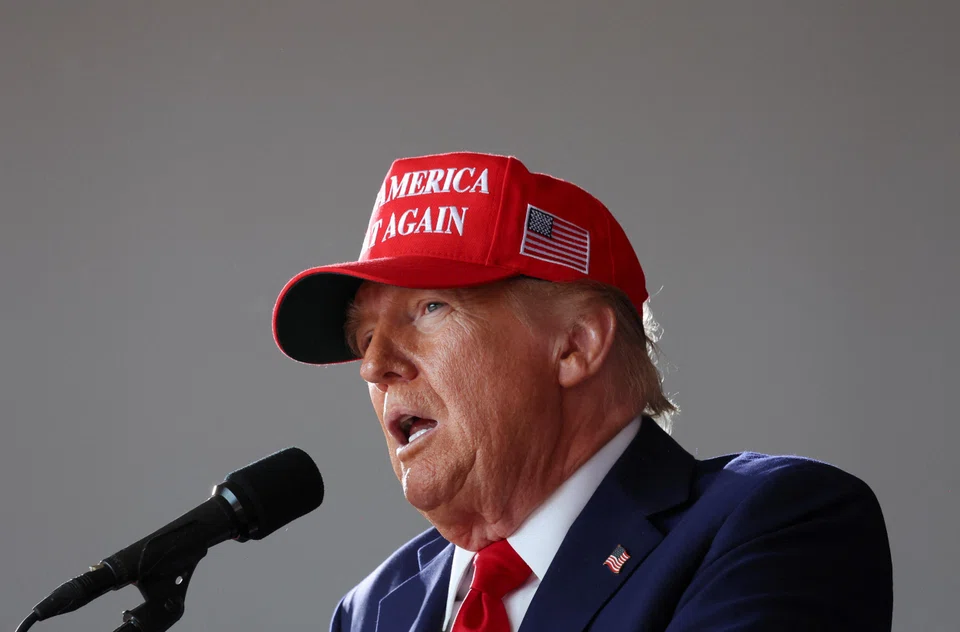
Among those eyeing the fairways is Trump, known for his tariff tantrum against large trading partners, and also for bringing big-ticket investments to countries such as Vietnam.
A lifelong golf enthusiast with a portfolio of luxury courses worldwide, the 78-year-old Trump reportedly has one in the pipeline in Vietnam to add to his global collection.
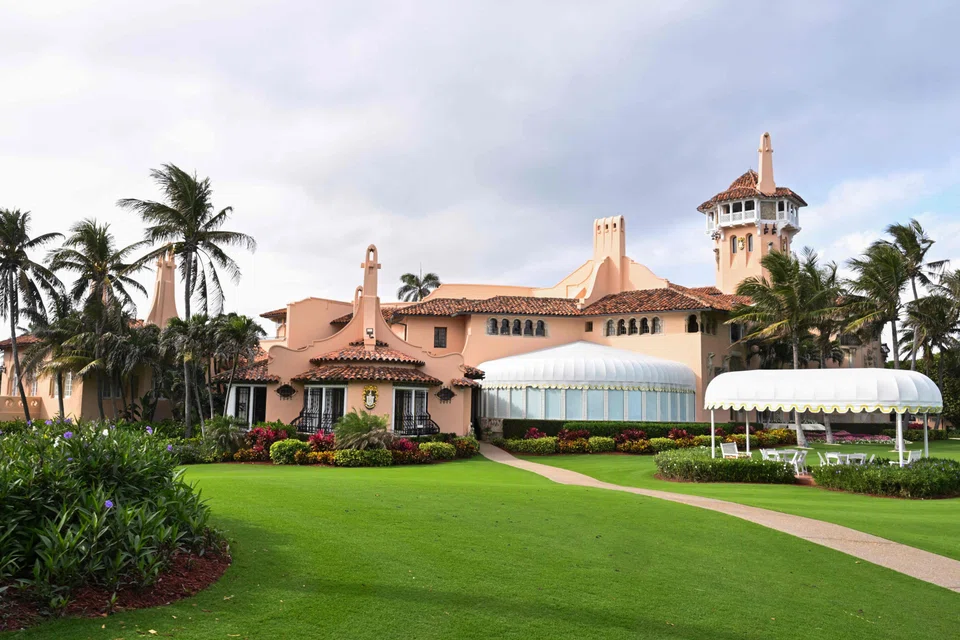
He is frequently spotted at his Trump International Golf Club in Florida, where he often hosts some of the world’s most influential figures at his nearby Mar-a-Lago estate.
One recent guest was Vietnamese billionaire Nguyen Thi Phuong Thao, who met Trump and SpaceX founder Elon Musk during a visit to the US in January. Photos and videos of her taking a tee shot and chatting with Trump in his signature golf attire quickly made the rounds on social media.
Thao’s visit was more than just a photo opportunity. It underscored Vietnam’s push to deepen commercial ties with Washington at a time when its ballooning US$123.5 billion trade surplus with the US in 2024 has drawn scrutiny and could trigger tariff threats by the Trump administration.
As one of Vietnam’s wealthiest individuals, Thao controls a portfolio of companies including budget airline Vietjet, which has struck nearly US$50 billion worth of deals with major US firms.
They include a US$25 billion order for 200 Boeing jets and a US$1.1 billion agreement with Honeywell Aerospace for avionics and technical services.
During her US trip, Vietjet was also in talks with SpaceX for in-flight Internet solutions – a move that gained momentum on Mar 23, when Vietnam approved SpaceX’s satellite Internet services, or Starlink, for a five-year pilot run.
However, Stephen Olson, visiting senior fellow at the Iseas-Yusof Ishak Institute, noted that should Trump have a compelling justification for implementing strict trade measures against Vietnam, “all the golf games in the world will not change his mind”.
“It is impossible to speculate on what level of benefit – if any – Vietnam will receive from these golf outings. But from Vietnam’s perspective, there is no real downside to ‘golf diplomacy’,” said Olson.
A round of golf can open doors to lucrative business deals – or even “bring benefits to a country and its people”, as Prime Minister Pham Minh Chinh quipped at the World Economic Forum in Davos earlier this year. If that were true, he joked, he would be willing to play “all day long”.
He said this in response to a question about whether he would be open to playing golf with Trump, adding that Vietnam was confident in managing the relationship despite potential trade risks.
Golf diplomacy has long been a popular way for world leaders to build rapport and strengthen bilateral ties. But when politics and business mix – as they often do with Trump – some observers worry that such outings could blur the lines between personal interests and public policy.
“(Trump) strongly personalises his approach to foreign countries based on how well or poorly he gets along with the leaders,“ Olson added. “As long as no legal or ethical red lines are crossed, there isn’t anything necessarily wrong with (networking on golf courses).”
Trump’s first foray
Before his first presidency, Trump’s privately owned Trump Organization partnered Indonesian developer MNC Group in 2014 to develop two six-star golf resorts – one in Bali and another in West Java, near Jakarta.
The US$700 million project marked the company’s first venture into South-east Asia.
According to Thompson Golf Management, countries such as Thailand, Vietnam, China and Indonesia have become magnets for golf investment, driving a rise in premium resorts, integrated golf communities, and standalone courses strategically built near major infrastructure hubs.
“Asia stands at an inflection point. Rapid urbanisation, rising disposable incomes and the globalisation of leisure pursuits have combined to create a flourishing environment for golf course developments,” the American golf course management company wrote in a post last December.
Across South-east Asia, more than 1,000 golf courses are in operation, with Thailand leading the pack with 306 courses – one-third of the region’s total, based on data compiled by consulting firm Asia Golf Journey.
In Vietnam, there are more than 80 18-hole golf courses, with about 51 others in planning or under construction.
But luck has not exactly been on Trump’s side in South-east Asia in the past.
In 2017, MNC halted construction of the Trump-branded luxury golf resort in Bali, and while work on a second project in West Java’s Lido City finally began in 2021, Indonesian authorities ordered a stop to construction this February over environmental concerns.
Amid those setbacks, Trump appears to be looking to diversify his regional bets – and his latest US$1.5 billion deal with Vietnamese developer Kinhbac City may be a step in that direction.
Announced last October, a few months before Trump’s return to the White House, the collaboration involves the development of three 18-hole golf courses, together with a network of hotels, resorts and a modern residential complex, in Hung Yen province near Hanoi.
On Mar 28, Reuters reported that the project would break ground in May, with a second one expected to be announced this year.
The presence of Trump-branded golf facilities in Vietnam’s hospitality market fits into the country’s strategy to court affluent tourist golfers, and brings confidence to other big-pocket property investors.
“The synergy between real estate development and golf course construction can create a compelling investment proposition,” said Ben Styles, executive director of UK-based sports consultancy 54 in Vietnam.
He believes that the influx of tourists presents a lucrative opportunity for developers, as golf courses can attract not only local players but also international visitors, who tend to spend more per day on their holidays.
Last December, 54 joined forces with Phu Long Company to develop premium golf course projects in Vietnam.
It entered into another partnership with the Vietnam National Authority of Tourism to establish Vietnam’s first golf course star-rating system and host the World Golf Summit in 2025 in the South-east Asian country.
They are among the host of investors drawn to calls from various Vietnamese provinces for more development of these large-scale entertainment and hospitality projects, especially as Vietnam has eased and devolved investment procedures to local authorities.
“The expectation of a shorter and more streamlined approval process has pushed golf back to the forefront of developers with larger mixed-use developments, as well as standalone offerings with integrated hospitality features,” said Ben Gray, director of capital markets at property advisory company Knight Frank Vietnam.
Based on Vietnam and Thailand’s golf tourism statistics, Gray estimated that Vietnam could absorb an additional 100 courses planned over the next 12 months to serve its existing inflow of tourist golfers annually, which was at about 1.5 million people in 2019, the year before the pandemic.
“If the quality of the courses in Vietnam is designed to a high level, with adequate supporting, integrated facilities, there is no reason that Vietnam could not compete with its regional peers,” he said.






