



‘We’ve seen the worst-case scenario’: How Indonesia’s Cinema XXI navigated crisis and change
Caution, not aggression, defines how president director Suherman runs South-east Asia’s largest cinema operator by screen count

The strategies and stories that shape today’s leaders
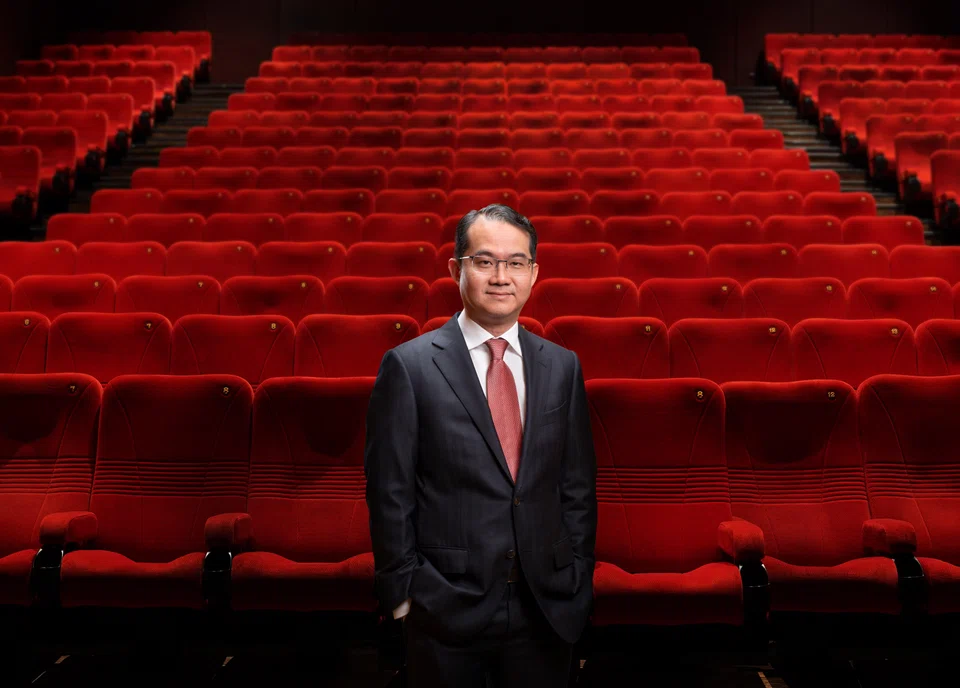
[JAKARTA] Suryo Suherman still remembers how quickly optimism evaporated in 1998.
Fresh out of Boston College, he had returned to Jakarta and joined his family’s cinema business at a time when Indonesia’s economy was booming. “From 1994 to 1997, Indonesia was doing quite well,” he recalled.
Then, the Asian financial crisis hit.
“The 1998 crisis was brutal,” said the 52-year-old president director of Nusantara Sejahtera Raya, which operates Cinema XXI. “We had to shrink the business by about half just to survive.”
That experience shaped his leadership style; nearly three decades later, caution, not aggression, defines how Suherman runs South-east Asia’s largest cinema operator by screen count.
“I’m not blindly optimistic,” he said. “I always ask, what if? Because we’ve seen the worst-case scenario actually happen.”
From Jakarta corner to screens nationwide
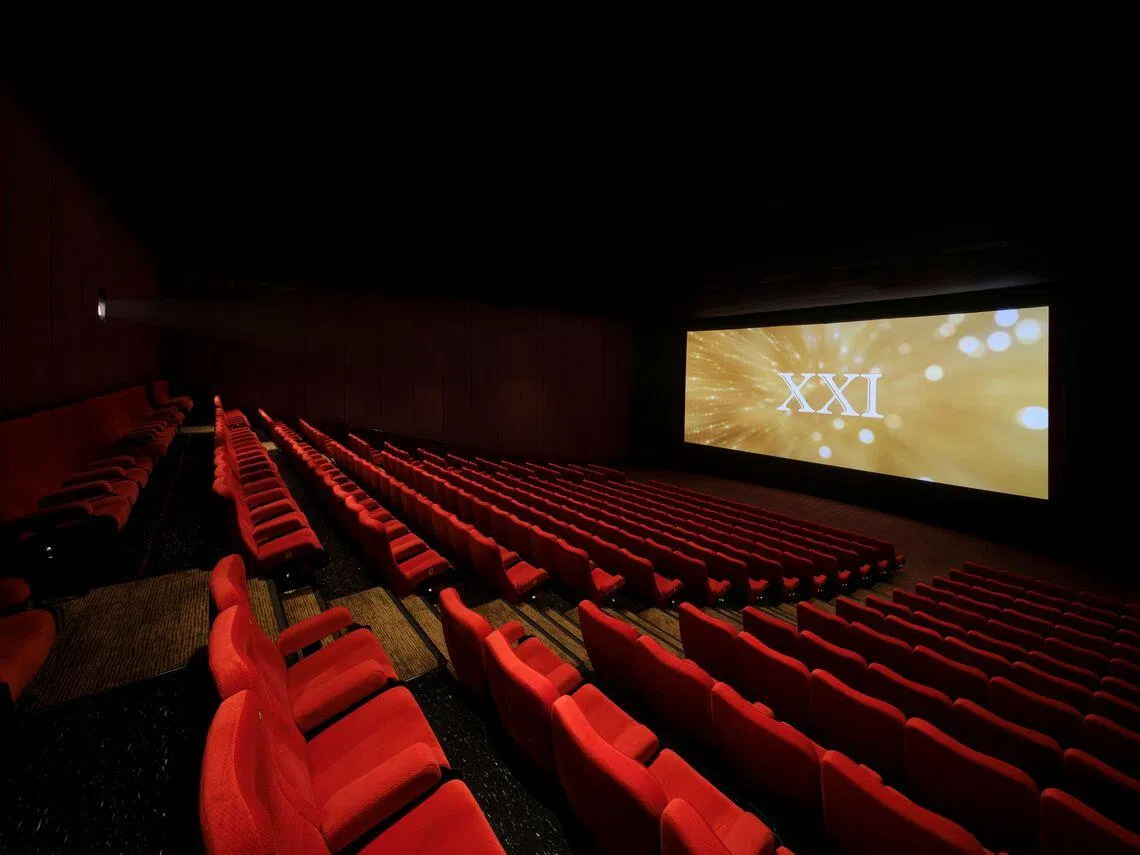
Cinema XXI’s origins date back to 1987, when Suherman’s father, Benny Suherman, co-founded the company and opened its first modern cineplex under the Studio 21 brand on Thamrin Street in Central Jakarta.
At the time, most cinemas in Indonesia were single-screen theatres. The multiplex concept – with multiple screens in one location – was still new in the region.
Between 1987 and 1997, the company expanded rapidly, constructing a dozen mixed-use complexes across major Indonesian cities within a decade, capitalising on the country’s economic growth that was beginning to spread beyond Jakarta.
“It (the concept) worked extremely well,” Suryo Suherman said.
By the mid-1990s, the company had grown into one of the largest cinema operators in the Asia-Pacific by screen count, riding Indonesia’s economic boom and the rapid adoption of the multiplex model.
When the Asian financial crisis hit, Indonesia’s cinema industry – which had more than 2,000 screens at its peak – was decimated, leaving only about 300 nationwide.
Cinema XXI survived, but only after cutting back significantly and rethinking its expansion strategy as it grappled with heavy debt.
Still, recovery was gradual, and conditions stabilised only around 2003. From that point, the company pursued steady, organic growth rather than rapid expansion.
In 2017, Singapore’s sovereign wealth fund GIC poured US$256 million to acquire a 25 per cent stake in Cinema XXI.
The injection of capital has given the company momentum to accelerate its expansion, enabling it to roll out more than 100 new screens and strengthen its nationwide presence.
“The investment boosted our confidence and reflected GIC’s belief in the company’s long-term potential,” Suherman said. “It helped us reach the next level and prepared us for our IPO (initial public offering).”
In 2023, the company made its debut on the stock market, raising 2.25 trillion rupiah through an IPO, part of which was allocated to repaying existing debt.
From a base of roughly 200 to 280 screens in the early 2000s, the company steadily expanded its footprint, reaching about 1,250 screens by the time it went public.
After the IPO, GIC diluted slightly due to free-float requirements but remained invested with about 22.5 per cent.
Today, the company operates around 261 cinemas nationwide, controlling an estimated 70 per cent of Indonesia’s modern cinema market.
Lessons from 1998: Avoid over-leverage
The cinema industry, Suherman noted, has weathered multiple waves of disruption, from television and home video to streaming platforms, over more than a century. The lessons of 1998 still shape his decisions: Growth must be steady, debt carefully managed and risks measured.
“We promised ourselves not to over-leverage again,” he said. “Carrying debt means paying interest, and during downturns, that pressure can distort decision-making.”
The company’s expansion strategy reflects that thinking. Even now, as the industry recovers from the Covid-19 pandemic and more people return to the cinema, Cinema XXI plans to add only 30 to 40 screens this year, about 3 per cent of its network.
Indonesia’s film industry is booming, with local attendance hitting 80 million last year and set to surpass 100 million by 2026. PwC has forecast the sector to reach US$41 billion by 2029, growing 8.4 per cent annually, driven by digital adoption and strong local box-office hits.
For many Indonesian families, going to the cinema is a key leisure activity. Family-friendly screenings, especially during school holidays, are prime opportunities for production houses to draw audiences.
For instance, during this year’s Eid holiday, the family-themed film titled Na Willa attracted nearly 500,000 viewers in just its first week of screening.
As technology adoption grows, cinema investments have become more expensive, pressured by both rupiah inflation and a stronger US dollar.
At least half of the cost of a new cinema is US dollar-denominated, as projection and sound equipment are priced in US dollars. That reality reinforces the need for additional revenue streams beyond ticket sales.
The rise of food and local films
When Suherman entered the business in the 1990s, about 90 per cent of revenue came from ticket sales and only 10 per cent was from food and beverage. By the early 2000s, food accounted for around 20 per cent.
By the end of 2019, it had reached roughly 30 per cent of ticket revenue.
After the Covid-19 pandemic, the shift accelerated. Today, food sales are equivalent to about 54 per cent of ticket revenue. In overall terms, tickets account for roughly two-thirds of revenue and food about one-third.
“We see the same pattern globally,” Suherman said, noting that peers in the US, Europe and Thailand report similar trends.
Cinema XXI has expanded its menu beyond popcorn to include more localised options, reflecting Indonesian tastes.
The localisation of food mirrors a broader shift in film content. Before Covid-19, foreign films – largely Hollywood titles – made up about 70 per cent of the Indonesian box office, with local films at 30 per cent. Today, that ratio has flipped: Around 60 per cent are local and 40 per cent are foreign.
International films have not regained their pre-pandemic share, partly due to production delays, rising costs and Hollywood’s reliance on franchises.
In contrast, Indonesia’s local film ecosystem proved more resilient. Domestic titles now routinely draw millions of viewers. Last year’s biggest hit, Jumbo, attracted about 10.2 million admissions, close to the 10.8 million achieved by Avengers: Endgame in 2019, Hollywood’s peak year in Indonesia.
“Cinemas serving middle and lower-middle-income audiences have become busier,” Suherman said, adding that local films are resonating more strongly with those segments.
Stronger domestic film performance has helped underpin the company’s financial results. Cinema XXI recorded revenue of 5.9 trillion rupiah (S$45 million) last year, up 2.6 per cent from a year earlier despite softer consumer spending. Net profit during the period reached 776.2 billion rupiah.
Despite frequent inquiries, overseas expansion is not planned. Suherman maintains that Indonesia remains one of the world’s most attractive cinema markets, despite growing competition from international chains, such as CGV and Cinepolis.
“Why take new risks abroad when we know this market so well?” he said.
Affordable entertainment
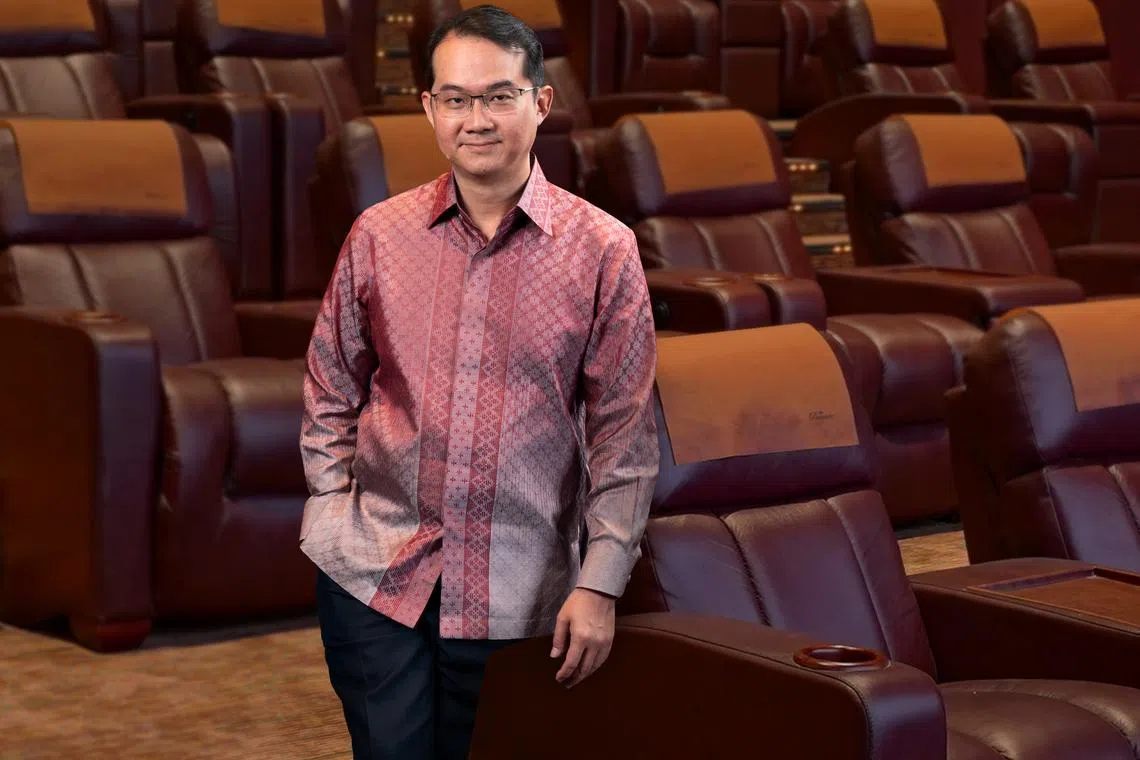
As the company expands its footprint into smaller and more rural cities, Suherman said Cinema XXI’s resilience rests in part on a simple principle: keeping movies affordable and accessible to a broad audience.
By global standards, Indonesia is one of Asia’s cheapest cinema markets, with average ticket prices below US$3, well below regional peers such as Thailand, where tickets typically exceed US$8.
With around 150 to 170 local titles released annually, the chain carefully matches films to audiences, with blockbusters playing nationwide and niche or premium films shown only in select cities.
Ticket prices are calibrated by location, with higher rates in premium malls and commercial hubs where operating costs and consumer spending power are greater, and lower prices in smaller cities to preserve accessibility.
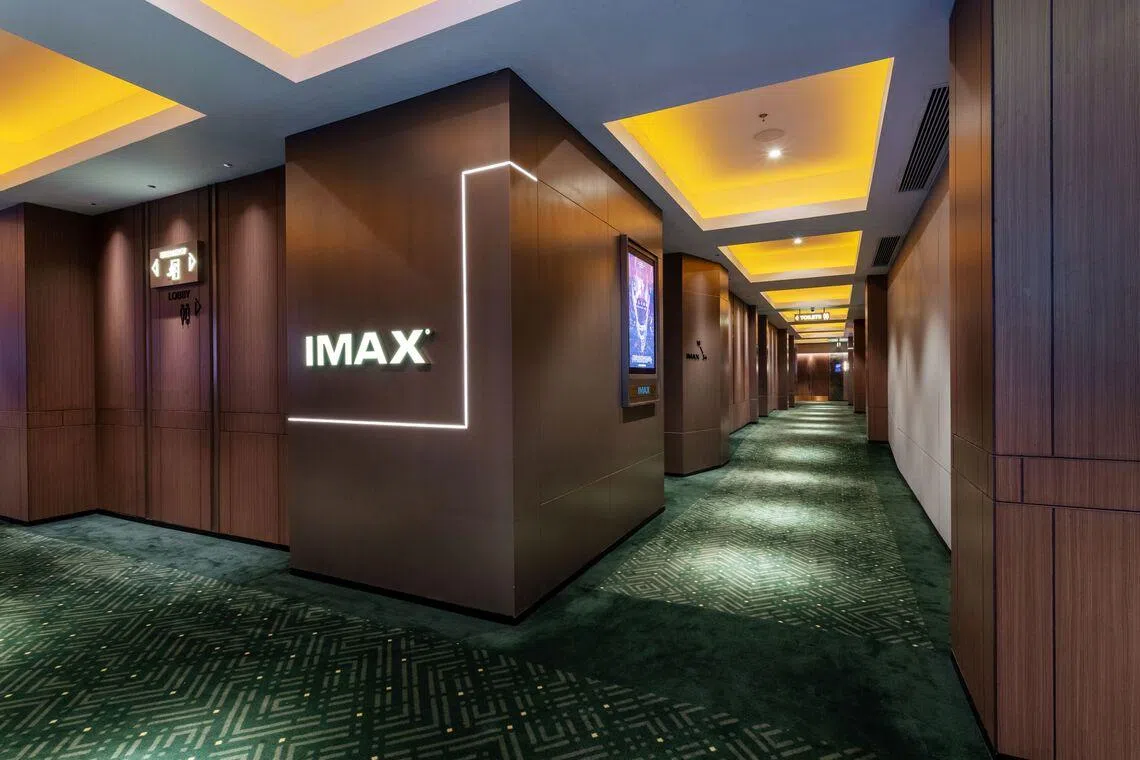
The company continues to invest in technology aimed at enhancing the viewing experience. It operates 18 Imax studios, featuring larger screens and high-resolution visuals, as well as more than 75 screens equipped with Dolby Atmos, a sound system that delivers three-dimensional audio throughout the auditorium.
“For us, cinemas must be accessible across generations,” Suherman said. “It’s one of the few activities where parents, children and even grandparents can sit together, enjoy the same story and talk about it afterward.”
Three questions with Cinema XXI’s president director Suryo Suherman
Q: Was there a pivotal moment in your career or personal life that changed your approach to leadership?
The 1998 Asian financial crisis happened early in my career. It showed me how quickly things can go wrong and how good times don’t last forever. That experience made me much more conservative in how I run a business.
Q: What is one piece of “unconventional wisdom” you swear by that most business schools would tell you is wrong? Business schools often teach you to use as little equity as possible and take on as much leverage as a company is “comfortable” with to lower the cost of capital.
In hindsight, if I had followed that approach rigidly, the company might not have survived the pandemic. For me, leverage should only be used when there is a clear need and when it truly makes sense at that moment.
Q: When you feel burnout creeping in, what’s your non-business-related “panic button” activity or routine that reliably resets your focus? I usually take a solo trip overseas for about a week. Stepping away helps me reset both physically and mentally.
TRENDING NOW

DBS, OCBC, UOB rout lops billions off STI as inflation, rate concerns spook investors

Grab CEO’s wife Chloe Tong on life with Anthony Tan and finding her purpose

OCBC sheds S$8 billion in value as shares close nearly 6% down; analysts cautious on banks

Deal between tycoon friends sparks scrutiny of Philippine power sector

