What’s luck got to do with it? Everything, says Malaysian jewellery king Tomei’s chief
Failed overseas ventures, painful exits are unexpectedly a blessing in disguise for the jeweller
Inside Asia’s family empires: How they are transforming to seize the next stage of growth
[KUALA LUMPUR] Malaysia’s longstanding home-grown fine jeweller, Tomei Consolidated, is enjoying one of the strongest periods in its 58-year history.
It comes fresh off a blockbuster 2025, with profits surpassing the RM100 million (US$24.8 million) mark, driven largely by a blistering rally in gold prices.
This record performance marks a remarkable turnaround from past struggles, namely costly restructuring, overseas operational challenges and pandemic-related disruptions for Tomei, which translates from Chinese as “an abundance of beauty”.
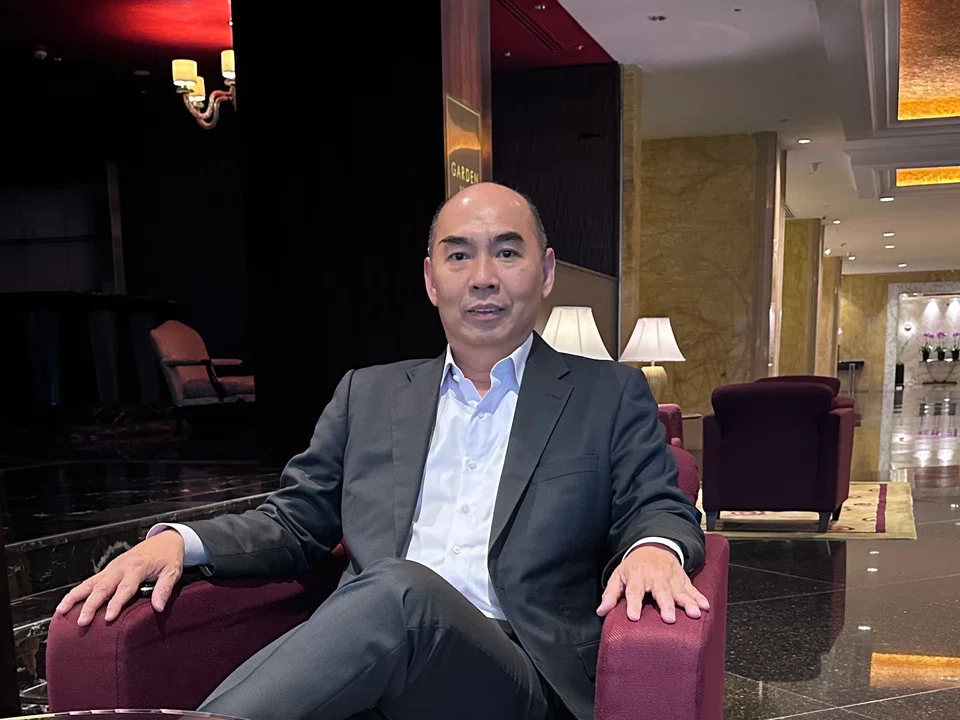
Ask Ng Yih Pyng, the company’s group managing director, what drove Tomei’s resilience, and he will not bring up the bullion’s rally, aggressive expansion or even record earnings.
Instead, he attributed the turnaround to two key pillars: his late father’s foundational values and hard strategic calls made years before the pandemic.
As he candidly told The Business Times: “I consider myself lucky. I don’t consider myself successful.”
Juggling markets: a costly lesson
Armed with fresh capital after Tomei’s debut on Bursa Malaysia in 2006, the company sought growth overseas along with many other Malaysian businesses that were bullish on China and Vietnam.
But it turned out to be a misstep: resources were stretched, management attention was diluted and the overseas operations struggled to gain scale. “We lost our focus on our local business while trying to manage three countries at the same time,” said Ng.
In 2015, given the bleeding, he made the tough decision to shut overseas operations and refocus the business on Malaysia. It proved a turning point for the jeweller.
“Back then, tens of millions was a lot of money,” recalled the 54-year-old chief, who has spent over 35 years in the industry and is also president of the Associated Chinese Chambers of Commerce and Industry of Malaysia.
The company then diversified into skincare, acquiring Flawless Skin Care to distribute major South Korean brands.
About 18 months later, as the venture gained traction, principal LG Household & Health Care offered to buy it back. Ng accepted the nearly RM9 million deal in 2018.
While the sale delivered a return, it was bittersweet after the personal investment he had made in building the business. It would prove another turning point.
“The cash from that disposal became the fuel that carried us through the pandemic,” he added.
When Covid-19 struck in 2020, Tomei faced the crisis with a clean balance sheet, healthy cash flow and a sharp focus on its core operations. In FY2025, it posted record revenue of RM1.3 billion.
The experience solidified his philosophy: “Sometimes, what looks like bad luck turns out to be a blessing later.”
Building on trust
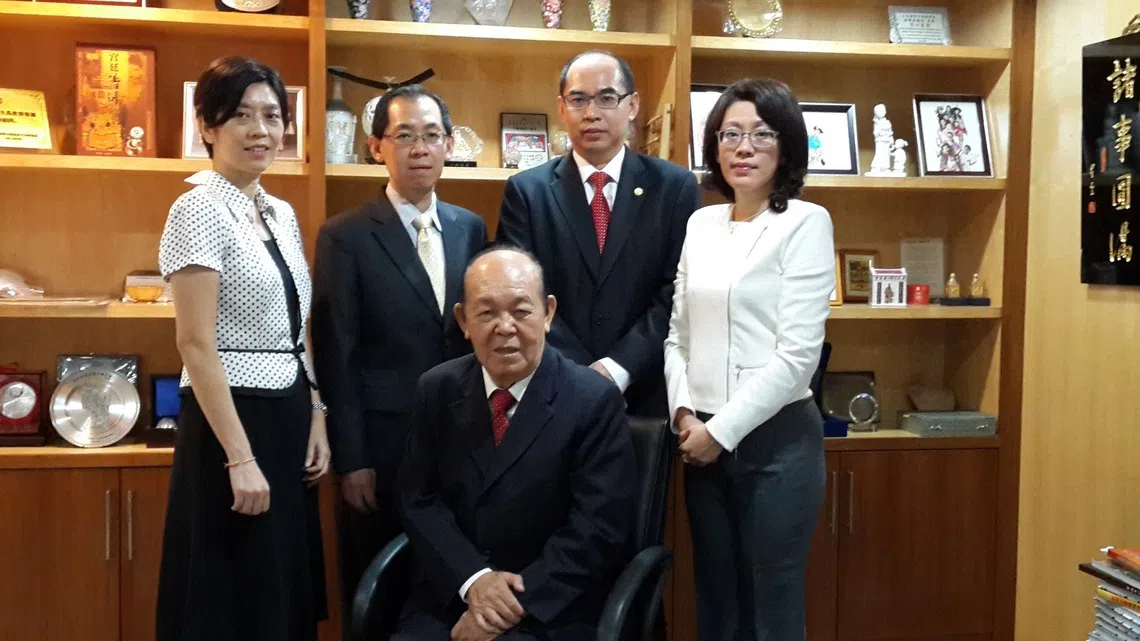
Ng’s father Ng Teck Fong, himself a prominent and influential businessman in the local Chinese business community, built the company from a RM5,000 startup into one of Malaysia’s largest listed luxury-jewellery empires.
Long before Tomei’s recent turnaround, its true foundation had already been laid. “My father didn’t leave us a fortune, but he left us something more valuable – trust. Suppliers and customers trusted him. That’s something money can’t buy,” he said.
Founded in 1968 as a manufacturer and wholesaler, Tomei made a big leap into retail in 1973.
It set up shop in Kuala Lumpur’s then brand-new and iconic Campbell Shopping Complex – a towering 20-storey structure on Jalan Campbell, now Jalan Dang Wangi, and earned its place as the country’s first gold and jewellery brand to ever operate in a shopping complex.
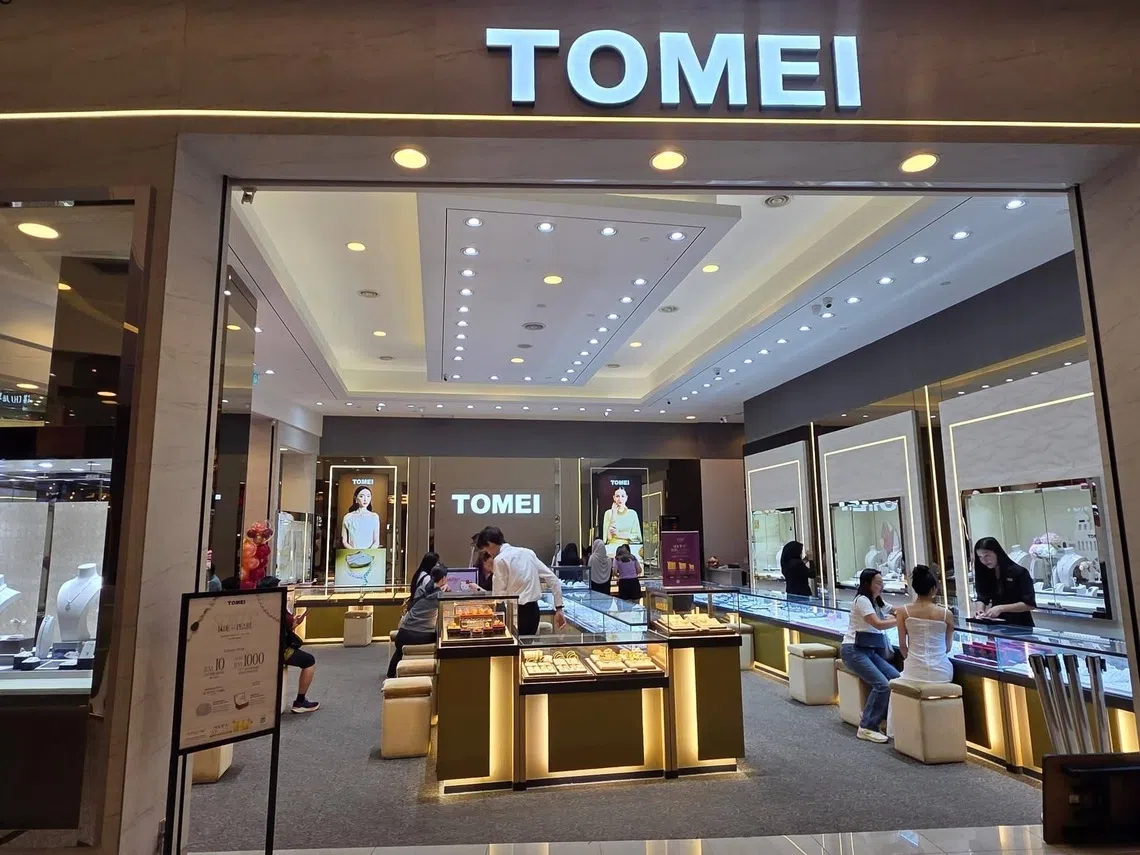
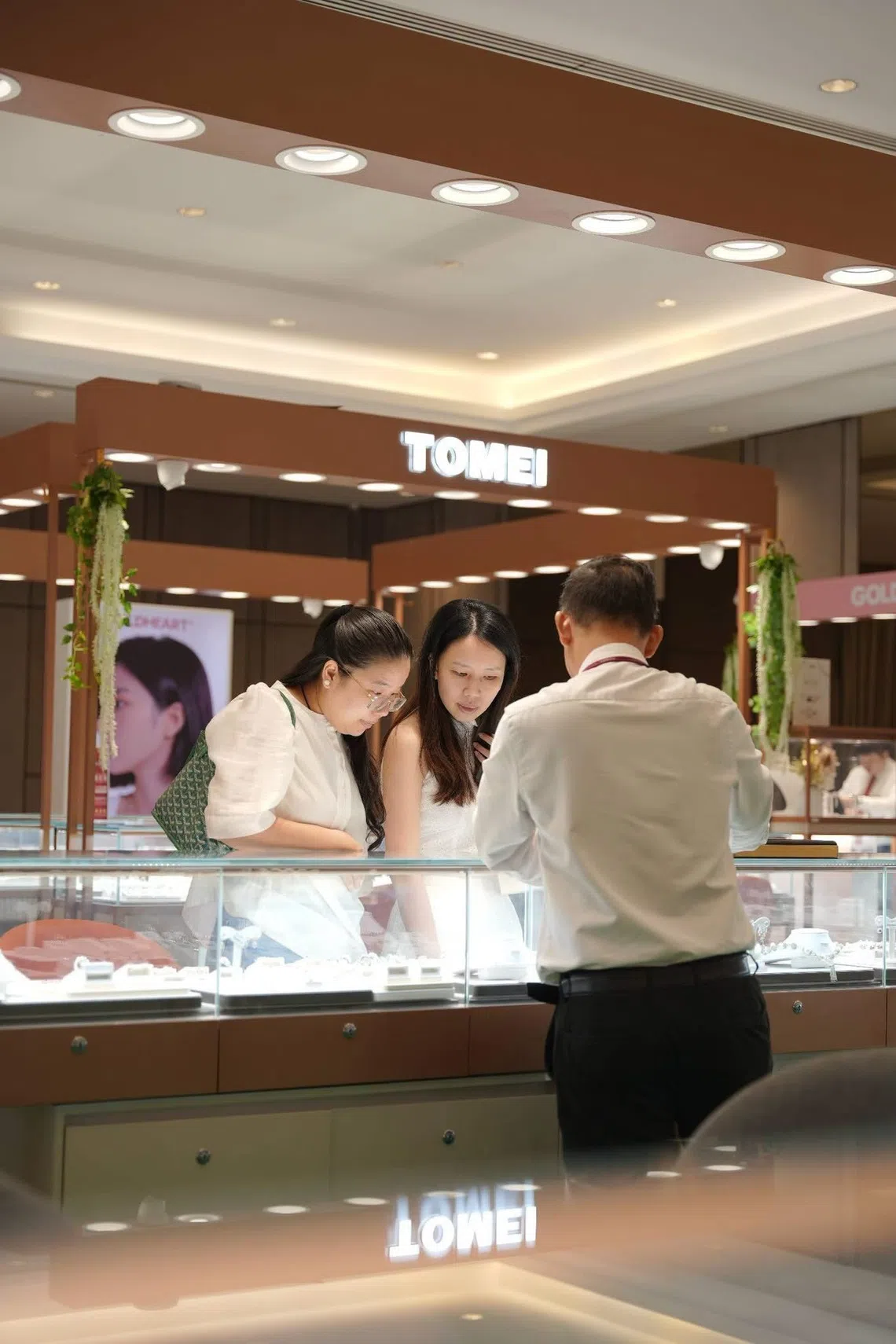
Today, the group operates 63 retail stores nationwide in Malaysia, under brands such as Tomei, Goldheart and Le Lumiere.
After graduating from Iowa State University, Ng returned to Malaysia and joined the business the very next day.
“I started from zero. I did almost everything – from sweeping floors and handling procurement, to doing paperwork on my bed before going to sleep. The only thing I didn’t do was actually make the jewellery,” he said.
In his early days, he would load jewellery into his car, drive to Singapore to meet clients, collect payments and return to Kuala Lumpur in a single day.
“When I introduced myself as Ng Teck Fong’s son, they didn’t treat me like a vendor. They treated me like a friend,” he said.
It taught him a profound lesson: A hard-earned reputation opens doors that capital alone cannot.
The elder Ng passed away in 2021 at age 84, leaving the business to his four children, who all work in the family empire today. Ng is the third child in the family.
Generational transition
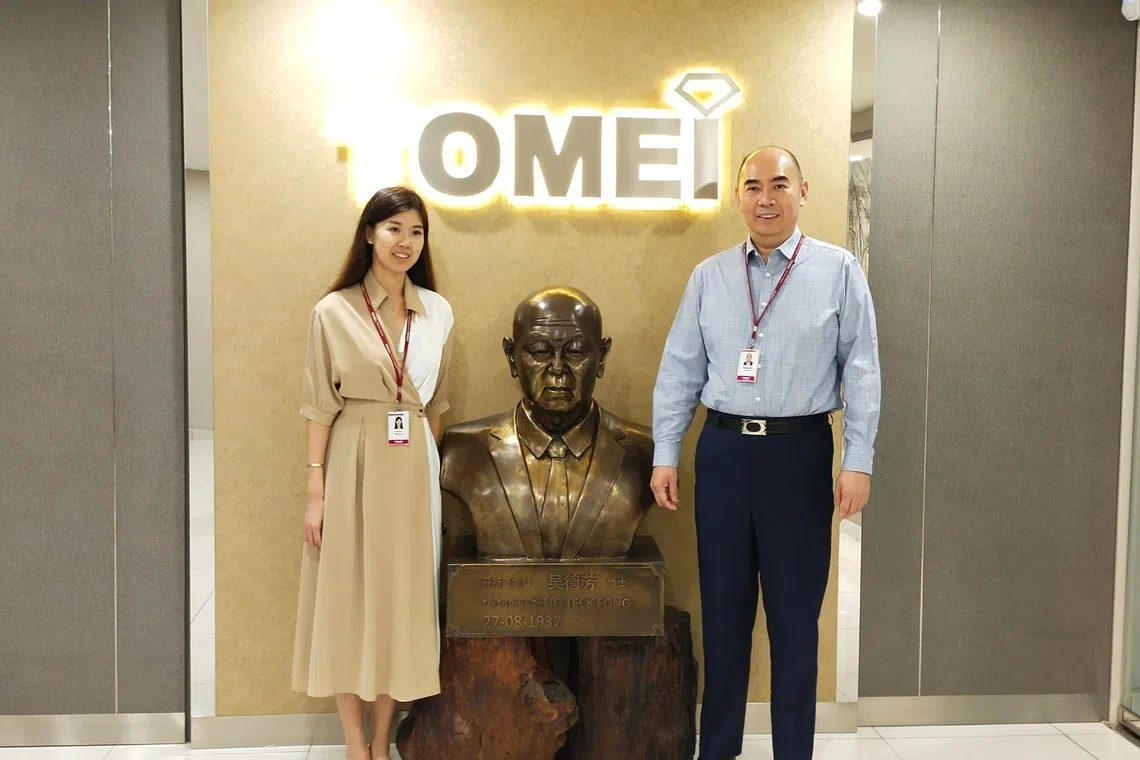
Like many family-controlled businesses in Asia, Tomei is preparing for another generational transition.
The second generation, including Ng and his siblings, have been running the company for years. Members of the third generation, such as the children of Ng and his brother, have also joined the business, with more expected to follow.
For him, succession is not about simply passing down ownership. “A family business cannot survive on capital alone. It needs values,” he said.
One lesson he frequently recalls is from his father, who believed businesses should grow steadily rather than aggressively. “He always said scale is important, but growth must be sustainable.”
At the time, Ng admitted he found the advice conservative. As a young executive armed with ambition and a finance degree, he wanted to expand and build something bigger.
Today, he sees things differently. “My father used to say it’s not about size. Look at Singapore. It’s small, but it excels in many ways.”
Building an ecosystem
Tomei spent years building an ecosystem around its core gold and jewellery business.
Through YX Precious Metals – the group’s manufacturing arm – it designs and produces gold jewellery, bullion and silver products for both its retail network and external customers in Malaysia and overseas markets.
The group also expanded into pawnbroking, safe deposit box services, digital gold accumulation and jewellery education, creating businesses that complemented its core operations.
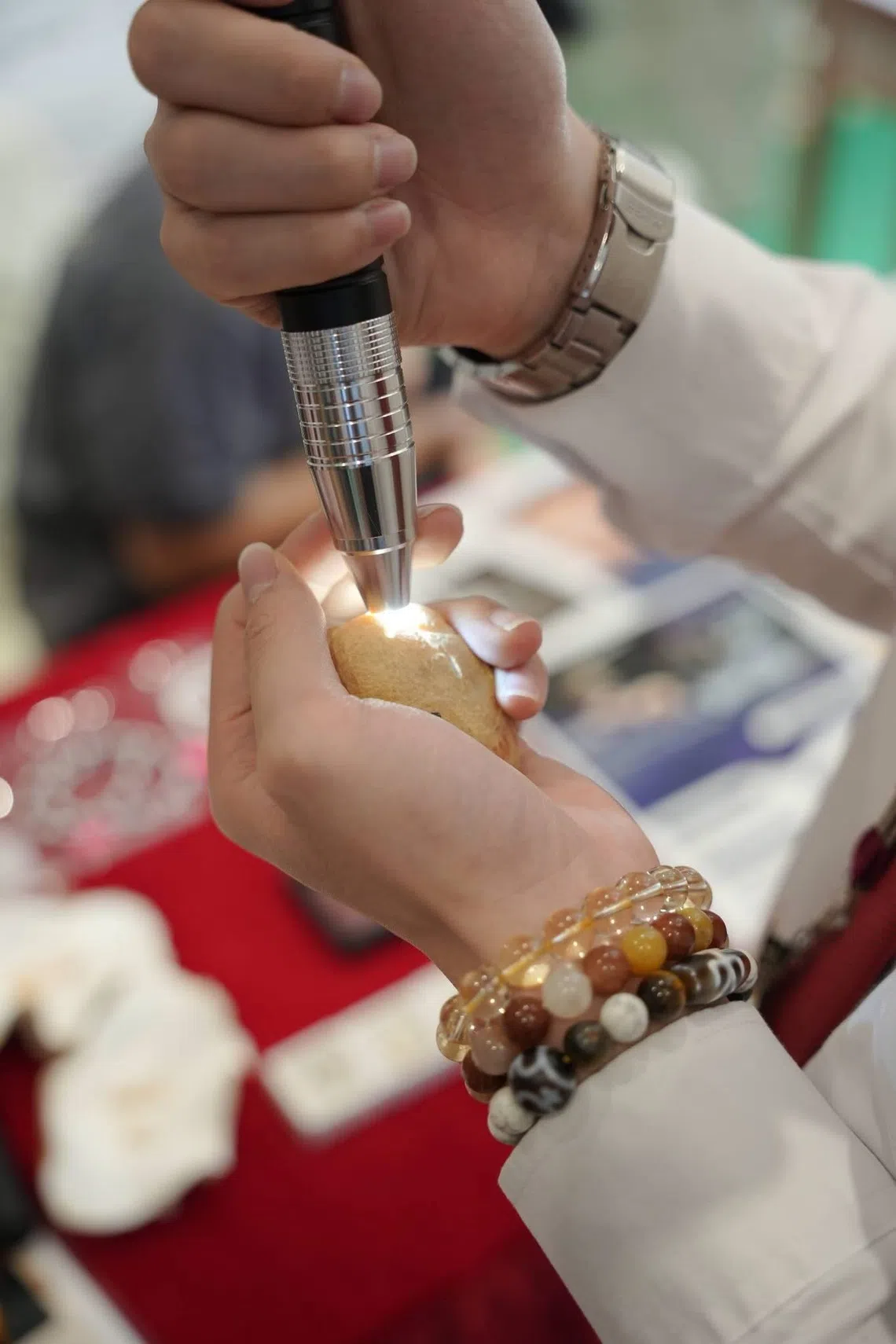
Tomei also runs a jewellery college offering courses in design, gem appraisal and certification, which Ng sees as a long-term investment in talent and industry standards rather than earnings.
Adapting to a changing market
Young consumers today view gold differently from previous generations, seeing it not only as jewellery, but also as an investment asset. At the same time, Chinese brands are entering Malaysia aggressively, intensifying competition.
Tomei has responded by expanding its online presence and introducing GoldNow, a syariah-compliant platform that allows customers to accumulate physical gold digitally from as little as 0.1 g.
Ng sees it as part of a broader shift in how younger consumers engage with gold.
“In the past, retail was about opening more stores… today, one store can sell nationwide through digital channels,” he said.
Despite the company’s strong performance, he has remained cautious. Tomei is targeting a modest increase of one to two outlets this year, while reviewing underperforming locations and monitoring macroeconomic uncertainties.
As Tomei enters its next chapter, he said he believes the most valuable asset the company possesses – trust – is worth more than gold. Built by the first generation, strengthened by the second and now carried forward by the third, it remains central to the group’s standing in the jewellery business.