

Australia cites risk of economic coercion as it revamps military
 Add BT as a preferred source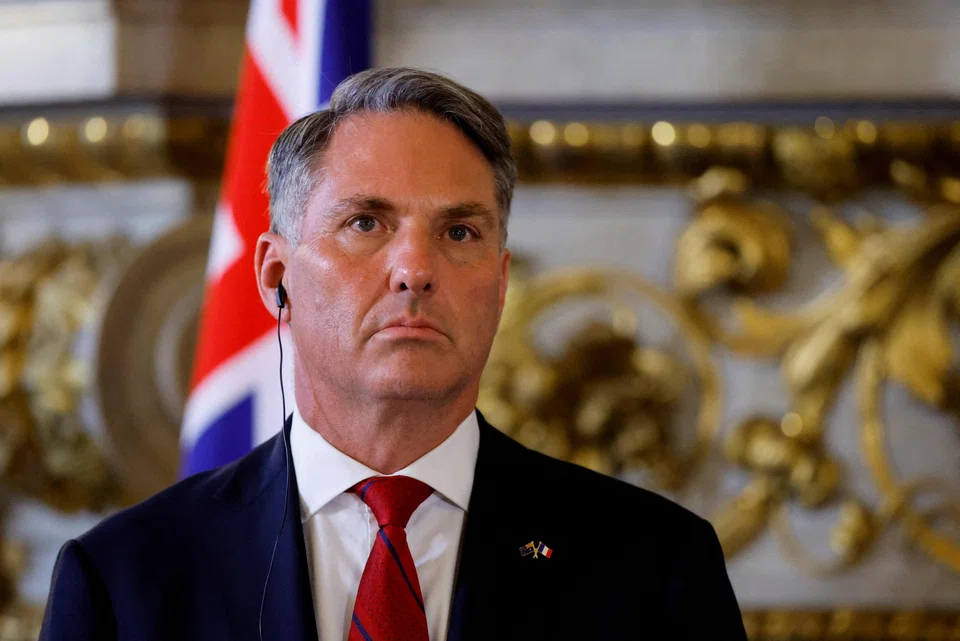
AUSTRALIA’S defence minister flagged potential economic intimidation and pressure on the “global rules-based order” as the nation pursues sweeping changes to its military strategy amid China’s rise.
“The threat is not that we are about to be invaded, but our exposure to economic coercion and to coercion from an adversary is greater, and the potential for that coercion going forward is much more significant,” Richard Marles said in an interview with the Australian Broadcasting Corporation on Sunday (Apr 30).
Australia is far more reliant on trade now than three decades ago and depends on overseas supplies for almost all its liquid fuels, Marles said. Russia’s war in Ukraine and tension in the South China Sea are among the current geopolitical stresses, he added.
Marles said “the capacity for impactful projection across the full spectrum of proportionate response is now what we are seeking to achieve”.
A major government review of Australia’s military readiness has recommended sweeping changes to the defence forces. The review found that Australia faces a military build-up in China that’s the largest by any country since World War II and that the US is no longer the hegemonic power in the Indo-Pacific region.
The analysis recommended shifting spending towards buying long-range missiles and military drones, while boosting domestic defence manufacturing.

Marles said the focus presently wasn’t on purchasing Raytheon Technologies’s Tomahawk missiles but rather on acquiring more of Lockheed Martin’s Himars rocket system and expanding local production capability. BLOOMBERG
Decoding Asia newsletter: your guide to navigating Asia in a new global order. Sign up here to get Decoding Asia newsletter. Delivered to your inbox. Free.
Share with us your feedback on BT's products and services
TRENDING NOW

Johor property old hand KSL readies family handover amid market boom
Seatrium eyes S$28 billion in project opportunities amid global race for energy security

China targets offshore billions in biggest crackdown in decades

Trek 2000 shares jump 41.5% after Osim founder Ron Sim drops claims, sells 7.3% stake to Azure Capital

