

Britain announces sweeping social media ban for under-16s
Australia was the first country to ban social media for children under 16
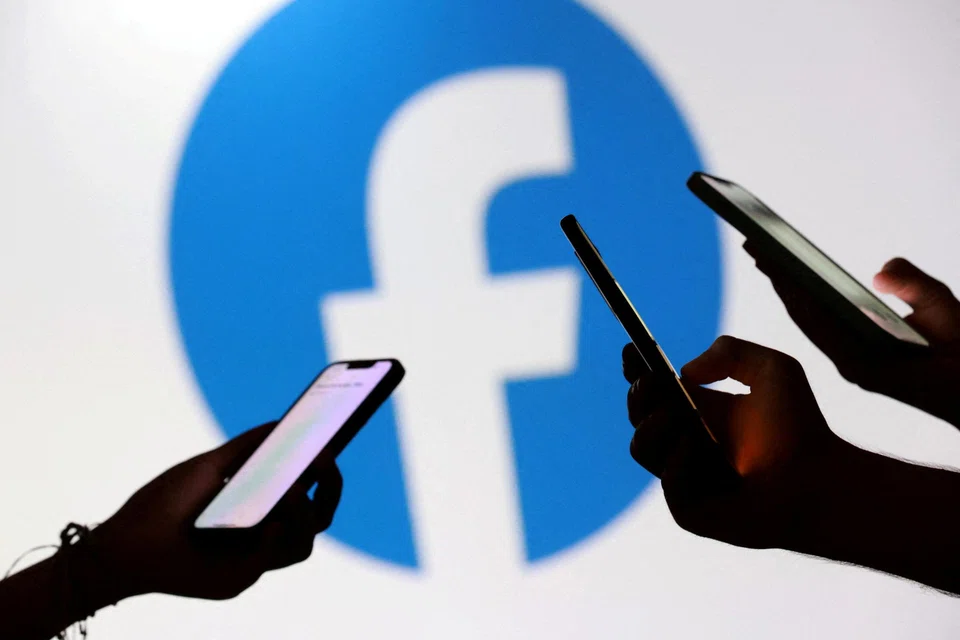
[LONDON] British Prime Minister Keir Starmer said on Monday he would ban social media sites for under-16s and impose restrictions on gaming and live-streaming platforms, in a fightback against big tech that goes further than any other country.
The sweeping changes will “give kids their childhood back”, Starmer said, outlining measures against platforms including Snapchat, TikTok and Instagram, as well as gaming sites that allow strangers to communicate with children.
“It is clear to me a full ban is the right choice,” he told a press conference.
“It will make a huge difference, it will make our children safer, it will make our children happier, it will give them more time, more security, more freedom to grow up, more opportunity”.
Britain will use a similar model to Australia, which enacted a ban last December, the government said. It will cover platforms that also include YouTube, Facebook and X, but messaging services such as WhatsApp and Signal will not be included in the ban.
Britain will also introduce “world-leading blocks” on harmful functions such as livestreaming and stranger communication with children for under-16s.
“Is there a situation in the offline world where you would just let your child pair up with a stranger, an adult that you don’t know anything about? No, so we’re taking action on that,” Starmer said.
Ban in place by next spring?
The government already has the powers to take the first steps in any ban, he said, with regulation to follow by the end of the year and a prohibition in place around next spring.
Britain has increasingly toughened its approach to tech companies in recent years, urging or forcing them to impose age verification, adapt their algorithms and, most recently, prevent children from circulating nude images taken on mobile phones.
But with a growing awareness of the mental health risks posed by children spending too much time online, Starmer has decided to go further after speaking to parents and considering the evidence from Australia. Starmer, who is likely to face a leadership challenge in the coming weeks, said people rightly expected action.
Australia was the first country to ban social media for children under 16, blocking them last December from platforms including TikTok, Alphabet’s YouTube and Meta’s Instagram and Facebook.
Since then a raft of countries have said they are looking to regulate access to social media amid mounting concerns over the impact on children’s health and safety.
Extensive consultations
Britain has consulted teachers, parents and young people on new restrictions, including a possible ban for under-16s, as well as curfews, app time limits and curbs on what the government has described as addictive design features.
It received more than 116,000 responses from parents, industry and young people.
More than 83 per cent of parents who responded said risks from social media outweighed benefits, while 90 per cent backed a minimum age of 16 to access social media platforms.
While many parents and politicians back a ban, some psychologists and researchers have said there is no proof that it would work, and a group of school children in London told Reuters they had a conflicted relationship with the technology. REUTERS1
Decoding Asia newsletter: your guide to navigating Asia in a new global order. Sign up here to get Decoding Asia newsletter. Delivered to your inbox. Free.
Share with us your feedback on BT's products and services
TRENDING NOW

Once staunchly pro-China, Malaysian Chinese businesses are now distancing themselves from Beijing

Cliff Tan has 7 million followers and a 4-month waitlist. Why won’t he expand his business?

Grab CEO’s wife Chloe Tong on life with Anthony Tan and finding her purpose
Singapore F1 to proceed despite haze; no changes planned to outdoor entertainment

