Can Trump really pay every adult American a US$5,000 ‘dividend’?
He has promised the handout if Republicans retain control of Congress after the November midterms
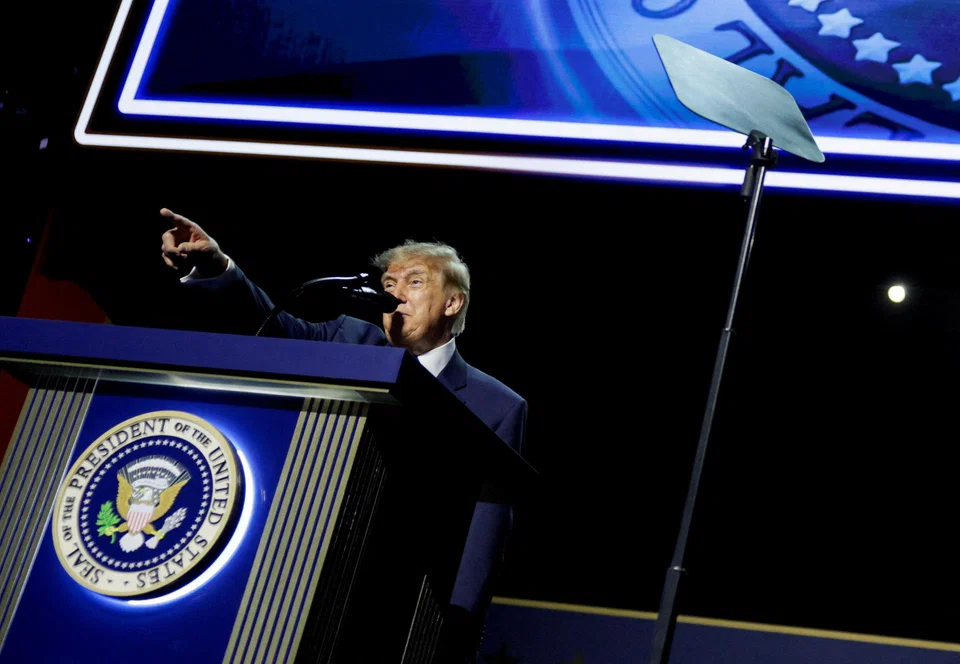
DURING his keynote speech at the first Republican midterm convention on Wednesday (Sep 9), US President Donald Trump made an extraordinary announcement.
He said he would pay every American adult a US$5,000 “Trump dividend” if the Republicans retain control of both chambers of Congress after the November elections.
Trump added that the dividend would have to be spent in the US. “We don’t want you going to Canada to spend the money, we don’t want you going to China, to Germany. You gotta spend the money in the United States of America.”
The proposal immediately raised questions about whether the president could even deliver on such a promise, and where the money would come from. If Trump paid US$5,000 to every US adult citizen, the plan would cost around US$1.2 trillion in total.
Investors appeared unfazed by the announcement. US Treasuries were little changed the day after Trump made his pledge, suggesting that, for now, bond traders were shrugging it off as an empty campaign promise.
Why is Trump promising this?
The offer of a “Trump dividend” underscores the political peril that Trump is facing ahead of the midterm elections, and the president’s desperation to avoid it.
Polls show his popularity is at record lows and Americans of different political persuasions are troubled by his handling of the war in Iran and the economy.
He needs a jolt of energy to help stop the Democrats winning control of one or both chambers of Congress. If they do, it will stymie his legislative agenda and likely open him and his administration up to a flurry of congressional investigations.
Steven Okun, CEO of Singapore-based geopolitics consultancy Apac Advisors, who served in the Clinton administration, said affordability is a key driver of this election, and voters hold the Republicans and the president responsible for the economy.
SEE ALSO



“Trump knows this, and this is a ploy to change the narrative and to show that ‘oh no, he and the Republicans are trying to do something about affordability’,” Okun said.
How would such an offer be funded?
Trump provided no information on how he would pay for the initiative. Unless the government raised taxes, cut spending elsewhere or found enough new revenue to cover the payments, the government would likely have to fund it with borrowing.
Last year, Trump floated the idea of mailing US$2,000 “dividend” payments to low-income and middle-income Americans funded by revenue from his sweeping tariffs on US goods imports, but the proposal never got off the ground.
Is the payout likely to happen?
The president does not have the authority to approve such a plan on his own. A cash payment programme would require approval from Congress.
Fellow Republicans previously rejected Trump’s tariff “dividend” proposal, and any legislation offering direct payments to voters would face a steep path to becoming law.
Jared Mondschein, director of research at the United States Studies Centre at the University of Sydney, said the proposal lacked the economic urgency or underpinning that helped secure congressional support for previous stimulus payments, such as during the Covid-19 pandemic.
Even if Republicans retain control of Congress, Mondschein said, the government’s already significant debt load and other competing spending priorities meant it would be hard to get support for direct payments to citizens.
“I can’t see this having much of a viable political future going forward,” he said.
How might a “Trump dividend” affect the economy?
Okun said Trump’s initiative would add to concerns about the US national debt, which surpassed US$40 trillion for the first time in recent weeks and is weighing on borrowing costs.
There are also concerns that putting US$5,000 in the hands of each US adult would accelerate inflation by fuelling consumer spending.
Prices have already been pushed higher by Trump’s war against Iran and his tariff policies. Petrol and diesel prices, for example, are at especially painful levels for consumers.
Mondschein said he would expect the inflationary impact of giving US$5,000 to every adult to be “pretty significant”.
“There are many who would say that the stimulus checks in 2020 and 2021 during the Trump and Biden administrations actually increased inflation, which we are still feeling the effect of now more than half a decade later; that’s the most visible impact,” he added. BLOOMBERG
Decoding Asia newsletter: your guide to navigating Asia in a new global order. Sign up here to get Decoding Asia newsletter. Delivered to your inbox. Free.
Share with us your feedback on BT's products and services