

China 15 years behind in top chipmaking tools, says ASML supplier
Such tools are key targets of US efforts to block the country from acquiring top-flight AI chips
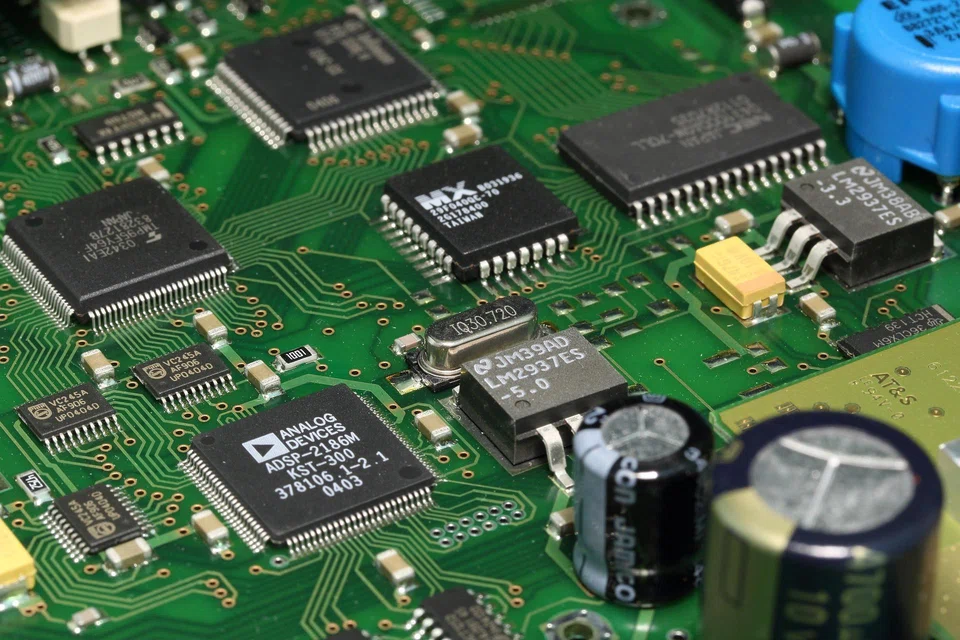
[BERLIN] China is about a decade and a half behind in developing cutting-edge chipmaking tools, according to a top executive at Germany’s Zeiss Group, a key supplier in the global semiconductor industry.
It is a “reasonable assumption” that Beijing will need 15 years to develop extreme ultraviolet, or EUV, lithography machines, Frank Rohmund, who leads the semiconductor division at Zeiss, said on Bloomberg TV, while noting that the country’s progress is hard to quantify.
Chipmaking technology is a key target of US efforts to prevent China from acquiring top-flight artificial intelligence chips as the two biggest economies compete to develop cutting-edge models.
The US bars Zeiss shareholder ASML from shipping its most advanced machines to the country, while Beijing is pouring money into its domestic semiconductor sector in a bid for self-sufficiency.
Zeiss is the exclusive supplier of optics used in ASML’s EUV machines, and the Dutch company is the world’s only manufacturer of such equipment.
EUV technology is essential for producing the most advanced chips used in Nvidia’s AI accelerators.
Rohmund’s estimate comes after UBS analysts led by Francois-Xavier Bouvignies wrote this week that China is likely at least a decade away from developing domestic EUV technology.
China is one of ASML’s top markets for the previous generation of chipmaking machines that use deep ultraviolet, or DUV, technology. The US also requires export licenses for several of the Dutch company’s more sophisticated immersion DUV models.
Any plan to expand export controls to include legacy DUV machines would be bad for business, according to Rohmund.
SEE ALSO

“We don’t believe in the positive impact of these export restrictions because it accelerates innovation in China,” he said.
China has made strides in producing immersion DUV lithography tools. A Shanghai-based company is making such equipment, The Information reported in July, citing unidentified people familiar with the matter.
Beijing has been working on such technology for decades, according to Rohmund. “It doesn’t really come as a surprise and now we need to see how capable these tools really are,” he said of reports of recent advances.
“We are still way ahead,” he added.
Zeiss says its components are used to produce around 80 per cent of the world’s chips. ASML bought a minority stake in the Oberkochen, Germany-based company’s semiconductor division in 2017 for 1 billion euros (US$1.2 billion).
To accommodate AI-driven demand, Zeiss has expanded its Oberkochen headquarters to add production. It is also constructing a factory on another site. BLOOMBERG
Decoding Asia newsletter: your guide to navigating Asia in a new global order. Sign up here to get Decoding Asia newsletter. Delivered to your inbox. Free.
Share with us your feedback on BT's products and services
TRENDING NOW

Once staunchly pro-China, Malaysian Chinese businesses are now distancing themselves from Beijing

Looking beyond looming CEO succession, should UOB potentially pursue a transformative merger?

Could stablecoins be the future of money?

Grab CEO’s wife Chloe Tong on life with Anthony Tan and finding her purpose

