

China export prices climb most in three years on oil shock
The data underscores the spillover from the war in Iran, hitting the world’s largest exporter of goods
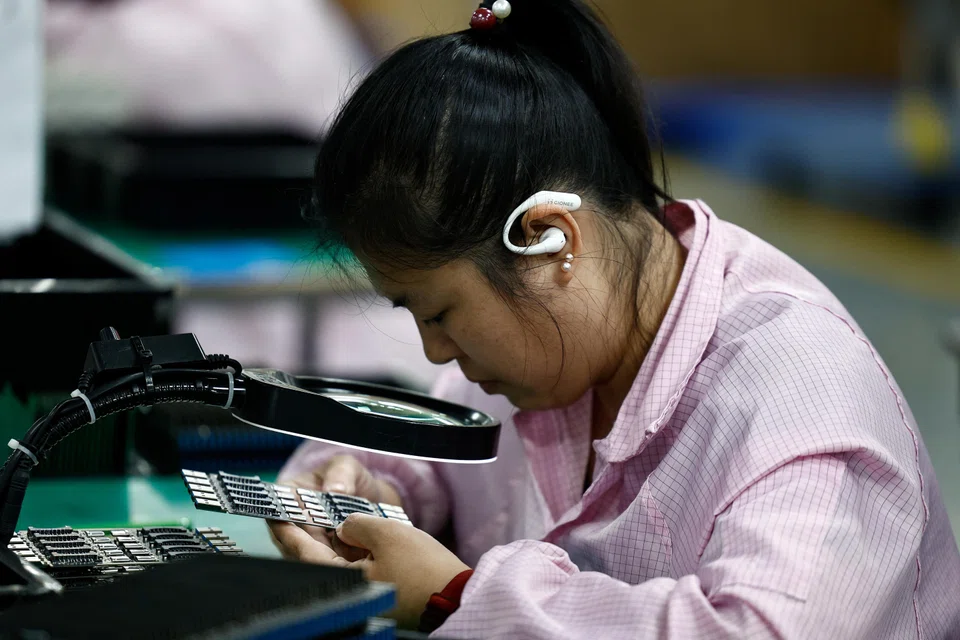
CHINA’S export prices rose at the sharpest pace in three years, as a global oil shock filters through the world’s manufacturing powerhouse and an artificial intelligence investment boom sends chip prices soaring.
An official measure of China’s overall export prices increased 5 per cent from a year ago in April, the biggest gain since April 2023 and a reversal from years of contraction, according to data published by the General Administration of Customs on Thursday (May 28).
The data underscores the spillover from the war in Iran, hitting the world’s largest exporter of goods. As higher oil prices lift the cost of things from plastics to chemical fibres, some Chinese factories have started raising prices for consumer items, including swimsuits and bandages.
For the past three years, China has been an important source of cheap goods containing global inflation, as weak domestic demand and intense competition among factories drove prices lower. Now, a sustained reversal of that trend means shoppers in advanced economies like the US could face greater inflation.
Exports of mineral fuels, which include petroleum oil, were among the categories seeing the biggest price jumps with a 22 per cent gain in April from a year ago. Prices of fertilisers, which are heavily reliant on natural gas, climbed 17 per cent.
Several factors beyond the Iran war also drove prices higher. A global AI buildout frenzy has caused a shortage of chips and sent prices soaring. As a result, Chinese exports of electronics and electric machinery surged over 20 per cent in price. Partly driven by the AI boom, non-ferrous metals such as copper rallied to record highs in recent weeks, pushing up export prices of copper products.
SEE ALSO



However, the gains in prices were concentrated in a minority of exports. Most products still saw declines in prices, including finished goods such as rubber and plastic products, as well as textile and apparel overall.
The mismatch likely shows fierce competition within traditional sectors that’s preventing manufacturers from fully passing on their higher raw material costs. This threatens to squeeze profit margins for downstream factories, which could further depress wages and hobble consumer spending at home. BLOOMBERG
Decoding Asia newsletter: your guide to navigating Asia in a new global order. Sign up here to get Decoding Asia newsletter. Delivered to your inbox. Free.
Share with us your feedback on BT's products and services
TRENDING NOW

LTA proposes combining car COE categories, adding rebate-surcharge system

StarHub to acquire MyRepublic’s mobile business amid ongoing telco consolidation

DBS, OCBC, UOB rout lops billions off STI as inflation, rate concerns spook investors

Grab CEO’s wife Chloe Tong on life with Anthony Tan and finding her purpose

