

China producer prices hit 45-month high in April as energy costs surge
Higher living costs could further subdue household consumption, which has remained sluggish
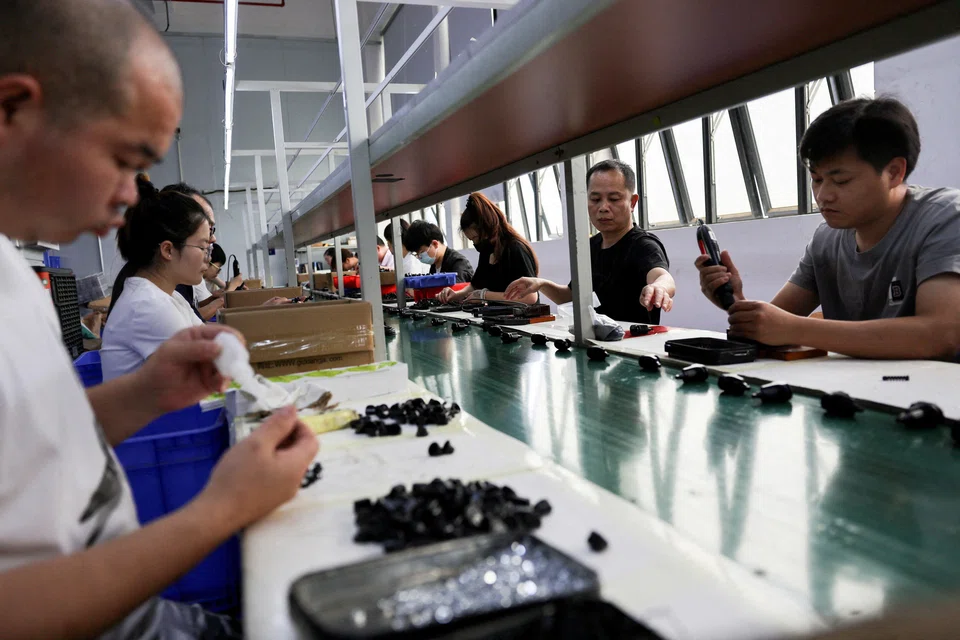
[BEIJING] China’s producer prices surpassed expectations in April to hit a 45-month high, while consumer inflation also accelerated as global energy costs remained elevated, piling more pressure on manufacturers already grappling with weak demand at home.
The producer price index increased 2.8 per cent from a year earlier, National Bureau of Statistics (NBS) data showed on Monday (May 11), compared with a 1.6 per cent rise forecast in a Reuters poll. The gauge had reversed a 41-month declining streak in March when prices rose 0.5 per cent.
The consumer price index (CPI) rose 1.2 per cent from a year earlier versus an expected 0.9 per cent rise. It climbed 1 per cent the previous month.
China’s policymakers have repeatedly vowed to boost domestic demand, curb excessive market competition and drive a rebound in prices as deflationary pressures weigh on businesses’ profit margins.
Inflation driven by external price shocks, however, does not indicate an improvement in the supply-demand balance and could spell new headaches for the export-led economy.
The NBS attributed higher factory-gate inflation to rising prices in sectors such as non-ferrous metals, oil and gas and tech equipment, according to statistician Huo Lihui in a statement.
Beijing’s sizeable energy reserves and diversified supply mix have cushioned its economy from the impact of energy supply disruptions in the Middle East, and its exports remained resilient this year due to robust demand for artificial intelligence-related goods and as firms stockpiled components on fears over rising material costs.
China’s export engine is vulnerable to swings in demand from global trade partners, many of whom are scrambling to contain the fallout from the Middle East conflict.
Rising global energy costs are also pushing the cost of living higher. China’s state planner has raised retail prices of petrol and diesel since the US-Israeli attacks on Iran began in late February, and major Chinese airlines have ramped up fuel surcharges for domestic flights.
SEE ALSO






Higher living costs could further subdue household consumption, which has remained sluggish during a slowdown in overall economic growth and a years-long property market slump.
Core CPI, which excludes volatile food and fuel prices, grew 1.2 per cent from a year earlier compared with a 1.1 per cent increase in March.
On a monthly basis, CPI ticked up 0.3 per cent versus an expected 0.1 per cent dip and compared with a 0.7 per cent drop in March. REUTERS
Decoding Asia newsletter: your guide to navigating Asia in a new global order. Sign up here to get Decoding Asia newsletter. Delivered to your inbox. Free.
Share with us your feedback on BT's products and services
TRENDING NOW

LTA proposes combining car COE categories, adding rebate-surcharge system

StarHub to acquire MyRepublic’s mobile business amid ongoing telco consolidation

DBS, OCBC, UOB rout lops billions off STI as inflation, rate concerns spook investors

Grab CEO’s wife Chloe Tong on life with Anthony Tan and finding her purpose

