

China’s factory activity expands despite pressures from Iran war
Trade volumes have held up well so far
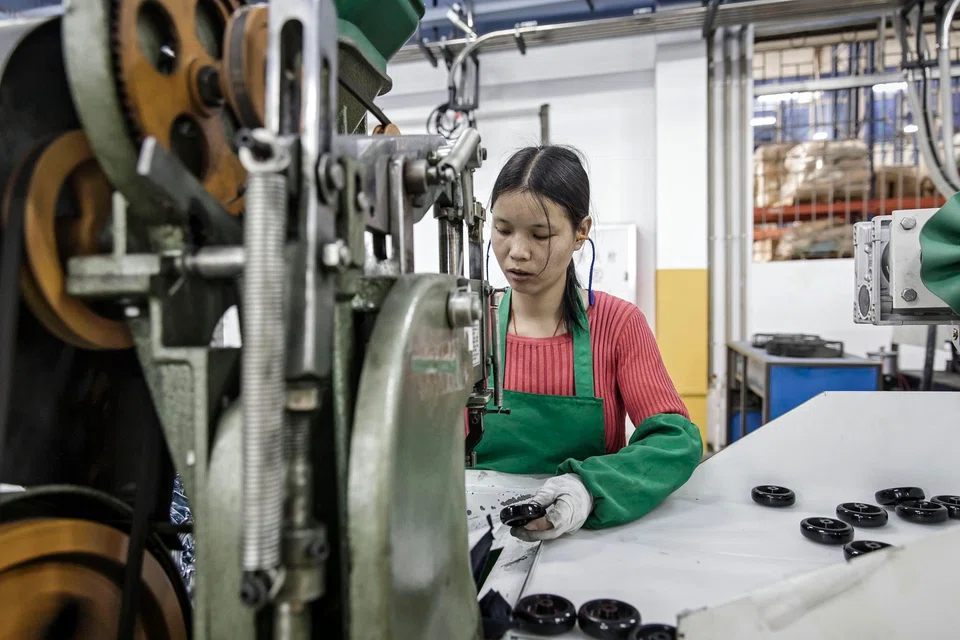
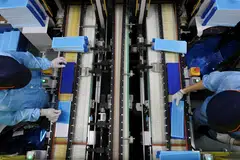
[BEIJING] China’s factory activity expanded in April even as disruptions to supply chains and rising input costs caused by the Iran war reverberate around the world.
The official manufacturing purchasing managers’ index slipped to 50.3 from 50.4 last month, the National Bureau of Statistics said on Thursday (Apr 30). The median estimate of economists surveyed by Bloomberg was 50.1, slightly above the threshold that separates contraction from growth.
In further evidence of resilience, a private gauge of factory activity at export-oriented firms improved far more than forecast in April. The RatingDog China manufacturing PMI jumped to 52.2 this month from 50.8 in March, according to a statement released on Thursday.
While the economy has gotten off to a strong start this year, Chinese factories have been jolted by the spiking oil prices stemming from the war. At the same time, Beijing’s strategic oil reserves and investments in renewable energy are cushioning the fallout from the conflict on the broader economy.
Trade volumes have held up well so far, with the flow of containers through Chinese ports mostly exceeding last year’s record levels despite slowing in weekly terms at the end of April. Though export growth weakened last month, global demand linked to artificial intelligence has helped buoy shipments.
Even so, disparities are becoming more apparent as sectors buoyed by higher prices for oil, metals and chips are thriving while the rest suffer from rising raw material costs. The Chinese industrial hub of Guangdong, for example, has seen some electricity prices almost double due in part to constraints on the supply of natural gas from the Middle East.
SEE ALSO

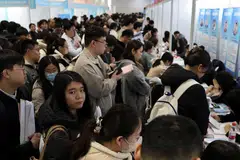

And in a sign that domestic demand is coming under more strain, the non-manufacturing measure of activity in construction and services fell more than forecast to 49.4 from 50.1 last month, the statistics office said.
Investors are also closely watching US President Donald Trump’s much anticipated visit to Beijing that’s slated to kick off from May 14, for any further signs on tariffs as well as trade and investment deals.
The US and China have taken a series of actions against each other, including sanctions and investment curbs, as the two sides jostle for position ahead of the leaders’ summit. BLOOMBERG
Decoding Asia newsletter: your guide to navigating Asia in a new global order. Sign up here to get Decoding Asia newsletter. Delivered to your inbox. Free.
Share with us your feedback on BT's products and services
TRENDING NOW

DBS, OCBC, UOB rout lops billions off STI as inflation, rate concerns spook investors

Grab CEO’s wife Chloe Tong on life with Anthony Tan and finding her purpose

OCBC sheds S$8 billion in value as shares close nearly 6% down; analysts cautious on banks

Deal between tycoon friends sparks scrutiny of Philippine power sector

