

CNY dining-in crunch as restaurants face strong demand but curbed capacity
Helene Tian
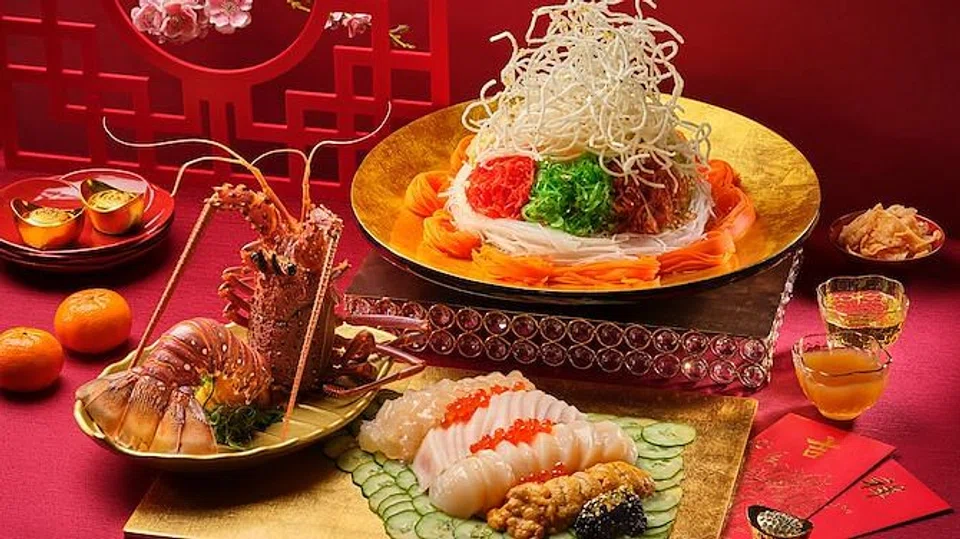
FAMILIES are keen to dine out this Chinese New Year (CNY), but Covid-19 curbs mean that restaurants are struggling to meet demand, with many being swiftly booked up for Jan 31 - the day for the traditional reunion dinner.
A check of 11 restaurants found that 9 were fully booked for the dinner peak timings within the first week of January, with some being filled within days of their set menus launching online.
For Wan Hao Chinese Restaurant in Singapore Marriott Tang Plaza Hotel, CNY eve bookings reflected a 25 per cent increase in diners as compared with last year, according to hotel manager Alvin Lim.
On Jan 5, the multi-ministry taskforce on Covid-19 announced that the current set of safe management rules were unlikely to be relaxed before the CNY period, in light of the Omicron variant that threatened a new wave of infections.
This was a noticeable change from CNY last year, when Singapore was in Phase 3 of its reopening. Groups of up to 8 were allowed to dine together then, as opposed to the current limit of 5.
The dining restrictions meant a smaller seating capacity this year, even as demand has not shrunk.
According to chief executive of White Restaurant, Alan Wah, current restrictions limit the seating capacity of his restaurants to 70 per cent of pre-pandemic capacity.
To accommodate the demand for reservations, restaurants have found ways to increase dine-in capacity. For instance, hotels such as Singapore Marriott Tang Plaza Hotel and Conrad Centennial are repurposing their function rooms to accommodate more guests for their restaurants while adhering to government guidelines.
"This year, we have identified our Presidential Suite as another option for private dining," said Mew Yan Ping, director of marketing and communications at Conrad Centennial.
For takeaways, restaurants generally reported an increase in orders from their set menu and corporate giftings, compared with last year.
The 5-person cap on dining-out group sizes could be another reason why more people are turning to takeaway options instead of going to restaurants.
"It's not so easy for families to gather this year," said Samuel Yik, managing director of Dian Xiao Er. He added that festive corporate lunches are also slow due to the dine-in cap.
Leveraging on the popularity of takeaway options, restaurants are using the opportunity to expand their takeaway catalogue to cater to different tastes.
"It was a conscious decision to increase our variety of Lunar New Year a la carte takeaway delicacies as we do see a higher demand for takeaways based on Christmas and New Year's Eve," said Lim.
Yet the dining-in business is still what restaurants prize most. At Dian Xiao Er, for instance, takeaway orders have generally increased - but the restaurant will prioritise dine-in orders over takeaways, even to the extent of rejecting takeaway orders upon reaching their quota.
Yik said that takeaways are not as profitable for the business, citing commission fees of delivery platforms and loss of revenue from dine-in service charge.
Affirming the drawbacks on delivery takeaways, Wah said that White Restaurant will be prioritising dining in and takeaway pickups for the eve of CNY.
"Due to past experience where there was a shortage of riders during festive peak, we will not be opening up our delivery channels to avoid disappointing our customers."






