‘Deep respect’: Abu Dhabi seeks deeper ties, stronger investment flows with Singapore
Trade between the UAE and Singapore exceeds US$18 billion in 2024

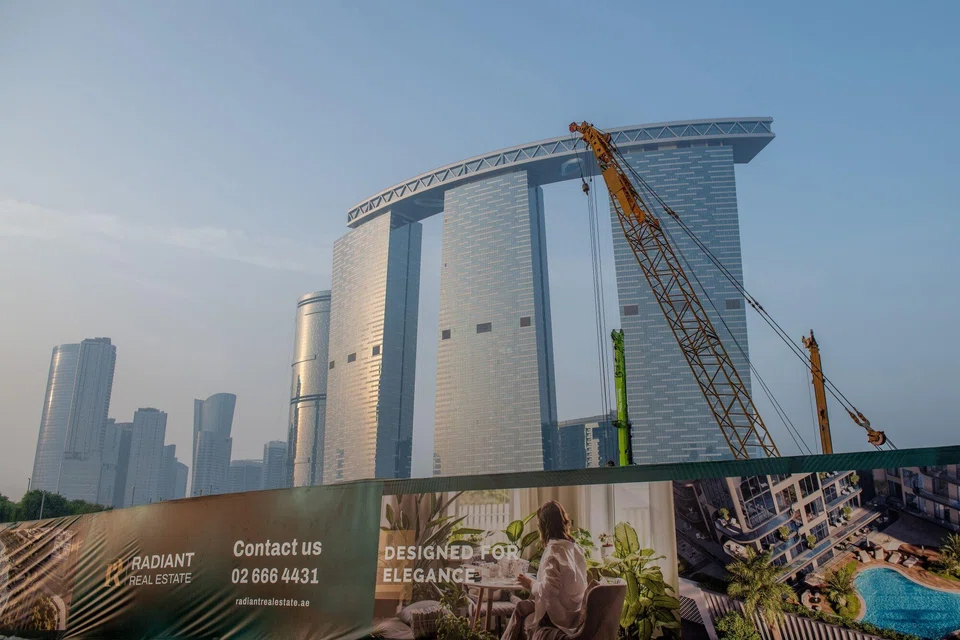
[ABU DHABI] Abu Dhabi is stepping up efforts to expand economic ties with Singapore, as the emirate seeks new growth engines and deeper collaboration with Asia.
Trade between the United Arab Emirates (UAE) – of which Abu Dhabi is the capital – and Singapore exceeded US$18 billion in 2024.
The UAE is Singapore’s largest trading partner and investment destination in the Middle East and North Africa, with more than 600 Singapore firms present in sectors such as fintech, healthcare, infrastructure and education.
Abu Dhabi now wants to broaden sectoral partnerships and spur more two-way investment flows.
Hamad Sayah Al Mazrouei, undersecretary of the Abu Dhabi Department of Economic Development (ADDED), told The Business Times that the emirate aims to position itself as a strategic base for Singapore companies looking to serve the Middle East and Africa, while also supporting Abu Dhabi firms seeking to expand into Singapore.
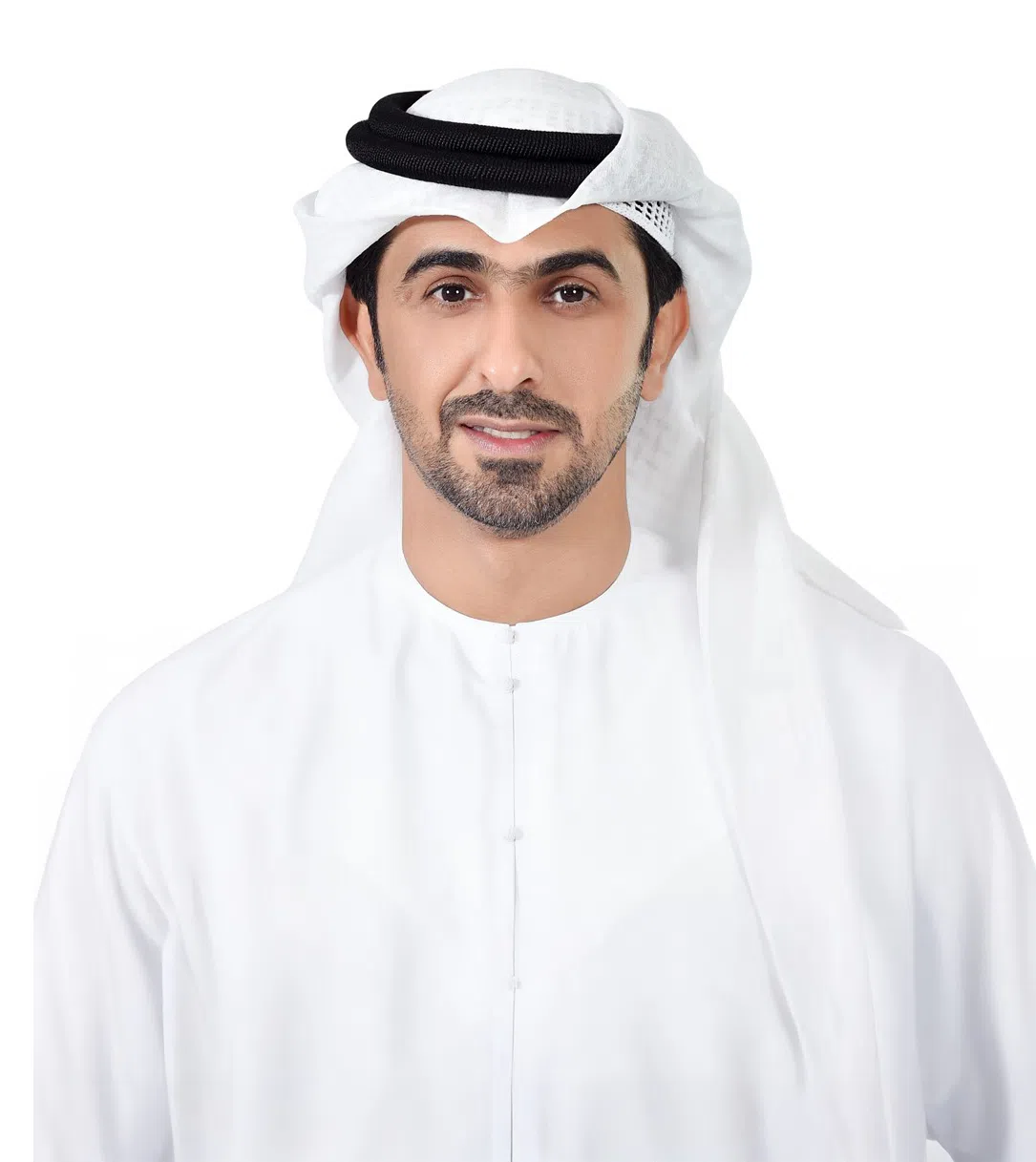
He was part of an ADDED-led delegation that visited Singapore in November. The group comprised government agencies, major corporates and sovereign investors, including the Abu Dhabi Investment Authority and Mubadala.
ADDED’s mandate is broadly similar to that of Singapore’s Economic Development Board in promoting and facilitating foreign investment.
The visit was “two-way in purpose”, Al Mazrouei said, aimed at deepening business links and identifying opportunities for joint ventures or co-investments. “We brought the private sector with us,” he said. “We want businesses from Abu Dhabi to invest in Singapore, or vice versa, or a co-investment from both countries to the world.”
He noted rising interest among Singapore firms across three sectors.
One such sector is financial services. Financial institutions – including asset managers, wealth managers and payment platforms – are expanding into the Abu Dhabi Global Market (ADGM) to serve the wider region.
The financial free zone, which operates under an English common law system, has built on “longstanding cooperation” with the Monetary Authority of Singapore, including a supervisory oversight agreement signed in 2017.
ADGM recorded a 42 per cent year-on-year rise in assets under management in the first half of 2025, though it did not disclose the base figure. As at June, it hosted 154 fund and asset managers overseeing 209 funds.
A second area of interest is climate and green-economy collaboration. Singapore companies are exploring opportunities in green transport, low-carbon energy and carbon markets, Al Mazrouei said.
The third involves smart-city solutions and digital infrastructure. Firms specialising in logistics optimisation, port technologies and urban development are in discussions with Abu Dhabi entities to use the emirate as a regional hub, he added.
Another objective of the November visit was to study Singapore’s “institution-driven and partnership-focused” development model for lessons relevant to Abu Dhabi’s ongoing economic transformation.
“Abu Dhabi holds deep respect for Singapore’s economic experience, especially its strengths in regulatory excellence, talent development and global connectivity,” Al Mazrouei said.
His comments come as the emirate accelerates its diversification drive to reduce reliance on hydrocarbons.
Non-oil sectors now account for 56.6 per cent of Abu Dhabi’s economy, after 17 consecutive quarters of growth. The emirate is also developing emerging clusters in artificial intelligence, renewable energy, agrifood and life sciences to attract global firms and talent.
Al Mazrouei stressed that Abu Dhabi’s goal is not to replicate Singapore, but to adapt elements of its approach. Ongoing business exchanges will be key to this effort.
“We want our partners to discover Abu Dhabi, partner with the vision, and invest in growth,” he said.