


ECB holds rates with growth firmer and inflation near target
Policymakers give no guidance on next steps, saying decisions will be made meeting by meeting on data
 Add BT as a preferred source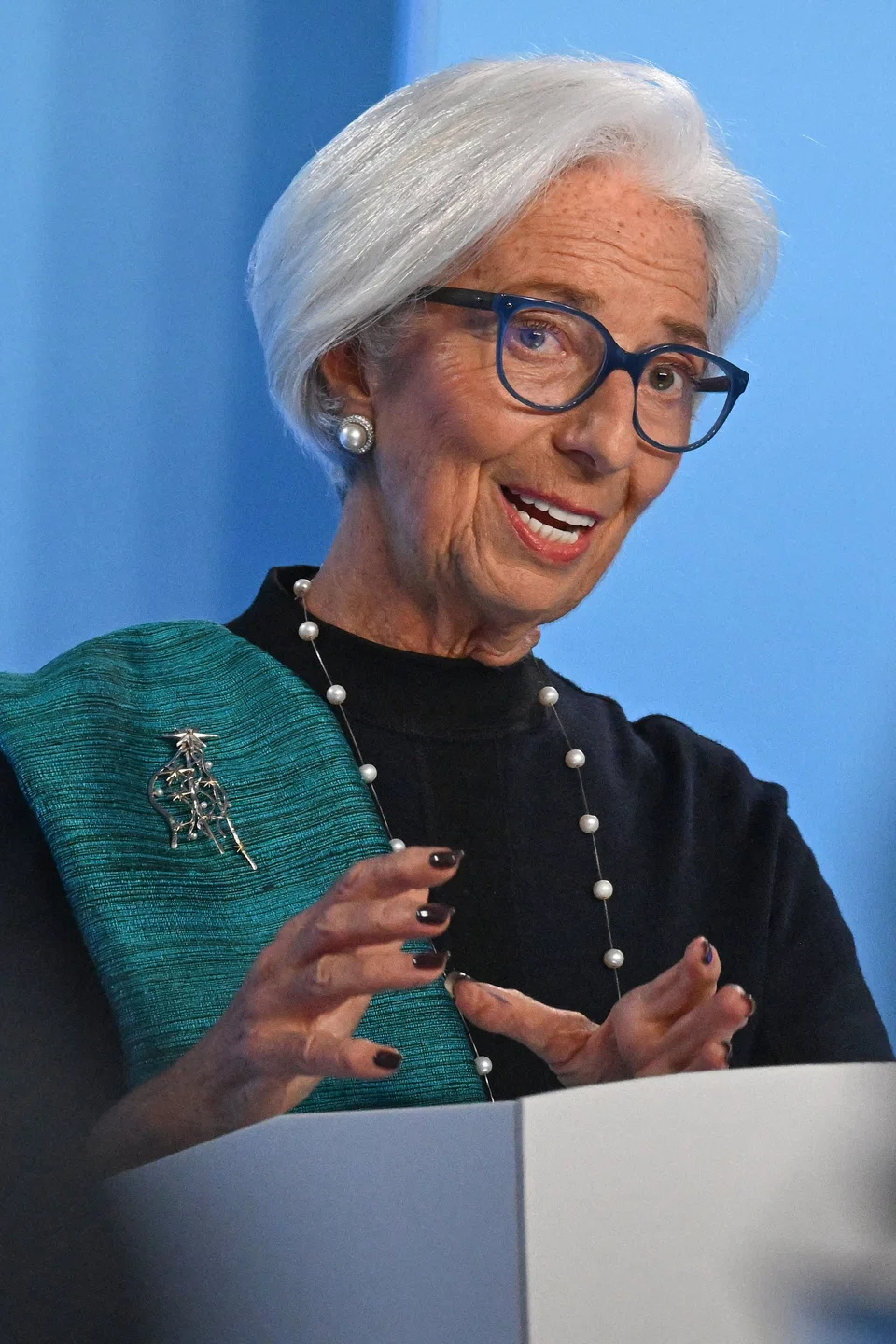
[FRANKFURT] The European Central Bank (ECB) left interest rates unchanged for a fourth straight meeting as inflation hovers around target and the eurozone weathers global shocks.
The deposit rate was kept at 2 per cent on Thursday (Dec 18) – as predicted by all analysts in a Bloomberg survey. Policymakers continued to offer no guidance on future steps, stressing that they will act one meeting at a time based on incoming data.
Fresh forecasts accompanied the decision, envisaging firmer economic expansion and inflation returning to 2 per cent in 2028 after falling short of that level during the next two years.
“We reconfirmed that we are in a good place, which does not mean that we are static,” ECB president Christine Lagarde told reporters in Frankfurt. “There was a unanimous decision that was taken today concerning the rates that we decided to hold. But there was also a unanimous view that all optionalities should remain on the table.”
The euro erased an earlier drop to trade about US$1.1733. Bunds edged down, with the 10-year yield one basis point higher at 2.87 per cent.
Most ECB officials had already signalled that the inflation undershoot requires no immediate action, with analysts in a separate poll suggesting borrowing costs could remain where they are through 2027.
Navigate Asia in
a new global order
Get the insights delivered to your inbox.
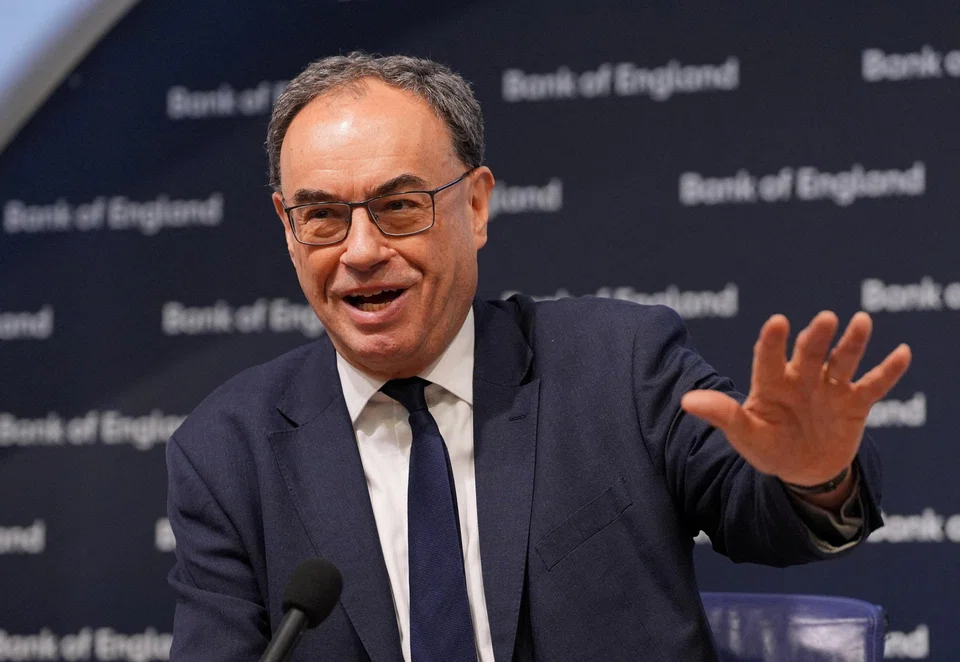
That’s not the case everywhere. The Bank of England cut rates earlier in the day after a similar move last week by the Federal Reserve. Both may loosen further next year.
Investors, though, have been discounting the chance of further easing globally and have begun betting on a first increase by the ECB as early as 2026.
The backdrop to this week’s meeting is an economy that looks sturdier than it has in recent months, having maintained expansion through the worst of the trade strife and even surpassed expectations in the third quarter.
Business surveys published by S&P Global signal steady momentum in the final months of the year, with fiscal stimulus in Germany to help underpin growth beyond that.
Domestic demand will be the main engine of expansion in the years ahead, according to Lagarde.
“Business investment and substantial government spending on infrastructure and defence should increasingly underpin the economy,” she said. “However, the challenging environment for global trade is likely to remain a drag.”
On inflation, officials have signalled they’re ready to accept the prospect of prices advancing at less than their targeted pace for some time. Executive Board member Isabel Schnabel has said she would not be too concerned as long as such deviations are small.
“Inflation should decline in the near term – mostly because past energy price rises will drop out of the annual rates,” Lagarde said. It “should then return to target in 2028, amid a strong rise in energy inflation.”
With price risks fading and the economy surprising robust, Lithuanian central-bank chief Gediminas Simkus – who’d previously battled to keep the door open to another cut – has said he no longer sees a need to ease further.
A prolonged pause for rates would cap the loosening cycle at eight cuts. That would be welcomed by Schnabel, who thinks the next move – whenever it comes – will probably be a hike. BLOOMBERG
Decoding Asia newsletter: your guide to navigating Asia in a new global order. Sign up here to get Decoding Asia newsletter. Delivered to your inbox. Free.
Share with us your feedback on BT's products and services

