Euro slides to 17-month low, hit by rates and inflation mix
[LONDON] The euro hit its lowest point in 17 months on Thursday (Oct 1), as investors battered European assets in light of the impact on the regional economy from higher oil prices and inflation, while mounting political uncertainty added to an uncertain backdrop.
The European currency fell below US$1.13 for the first time since May 2025 against the US dollar, which has been in ascendance for the past couple of months, due in part to the largest quarterly rise in US Treasury yields since 1994.
The euro also sank against the yen and the Swiss franc, and barely held in positive territory against the pound, as yields on French debt, which has been hounded by worries about France’s shaky finances, surged to another 14-year high. And even benchmark German debt came under fire.
The euro was last down 0.35 per cent at US$1.1291. It declined nearly 2.5 per cent in September, its largest monthly decline since July 2025.
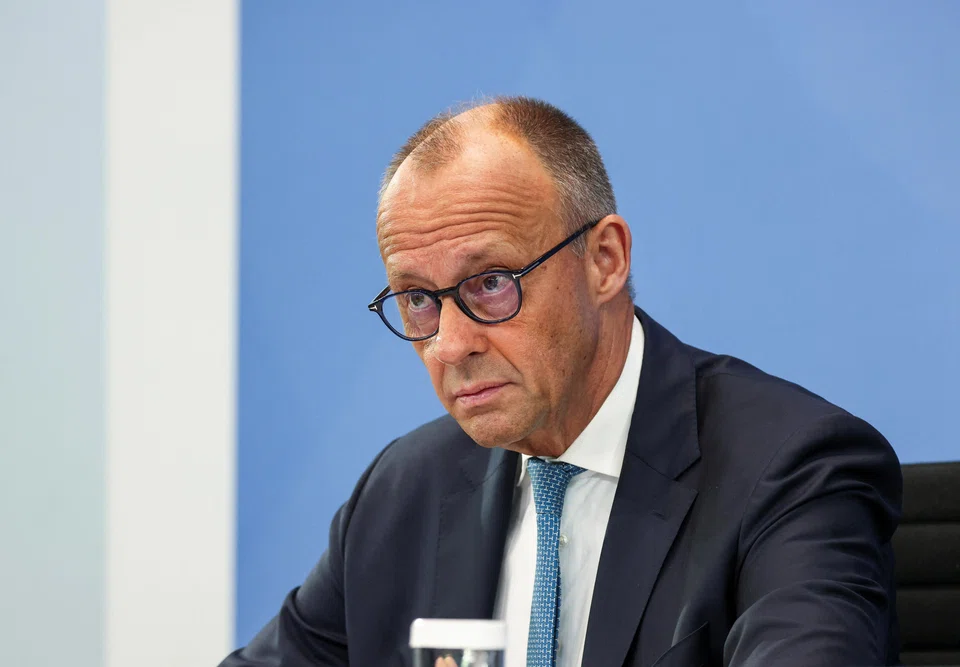
Europe is facing a range of political uncertainties as well, with a hotly contested French election in 2027, as well as increasing pressure on Germany’s chancellor, Friedrich Merz, after a series of gains by the far-right Alternative for Germany Party in regional elections.
Data on Wednesday showed US inflation rose less than expected in August, along with downward revisions to July’s figure, which lowered expectations for a Federal Reserve rate hike this month. But a surge in eurozone inflation underscored the threat that higher energy prices continue to pose to the global economy.
Jane Foley, head of FX strategy at Rabobank, said: “This growth risk has been hanging over the euro. And despite the fact that the (European Central Bank) was one of the first central banks in the (Group of 10) to hike interest rates, despite the fact that it’s expected to go again, the euro hasn’t been able to get traction.
“It’s been bogged down by the fact that positions were very long and by this concern about (Europe) being an energy importer, and then of course, at the margins certainly going into next year, you’ve got these political concerns.”
European stocks fell 0.66 per cent, along with bond prices, adding to the drag on the euro.

The dollar clocked its sixth straight quarter of gains against a basket of currencies by the end of September, its longest such stretch since 2022 when US rates were rising more quickly than those elsewhere. The dollar index was last up 0.31 per cent on the day, around its highest level since mid-May 2025.
Ray Attrill, head of FX strategy at National Australia Bank, said: “The US dollar seems to be showing more sensitivity, just at the moment, to what’s happening with say, 10-year Treasuries, than it is on pricing for when the next Fed rate hike might come.
“While yields are continuing to rise for the time being, I think it’s supportive for the dollar. If we do get an inflection point where it starts to really hurt the equity market, the dollar can benefit from that.”
Global bonds suffered their largest monthly decline in years in September, pushing yields higher, due to a toxic mix of deteriorating government finances, a glut of issuance and rising inflation.
Sterling was down 0.3 per cent at US$1.322 after having slid 2.1 per cent in September, but was steady against the euro, which traded at its weakest point since late June against the pound, around 85.4 pence.
Against the yen, the dollar was up 0.5 per cent at 158.16 after falling 1.4 per cent against the Japanese currency in September, while the Australian dollar fell to a two-month low of US$0.6931 after domestic inflation came in below forecasts. REUTERS
Decoding Asia newsletter: your guide to navigating Asia in a new global order. Sign up here to get Decoding Asia newsletter. Delivered to your inbox. Free.
Share with us your feedback on BT's products and services