Fuel subsidies may top US$1 trillion as Iran war drags on: UN study
The analysis finds that the number of countries deploying different relief measures nearly doubled between April and September

[NEW YORK] Governments around the world are running out of room to shield consumers from higher energy prices resulting from the Iran war and other crises, with fuel subsidies potentially costing more than US$1 trillion this year, a United Nations study found.
Global policy interventions to cushion the impact of rising food and energy prices will become more difficult to sustain as a result of higher borrowing costs and what is on track to be the strongest El Nino on record, according to a UN Development Programme (UNDP) report released on Friday (Oct 2).
The UNDP warned that the next couple of months will be particularly important for governments that have deployed price caps, subsidies and tax rebates, as oil near US$100 a barrel and elevated borrowing costs squeeze already strained budgets.
“The horizon over the next few weeks and months is uncertain because we don’t see a very clear pathway out of the three-pronged crisis,” said UNDP chief economist George Gray Molina, pointing to the Iran war, borrowing costs and the El Nino weather phenomenon.
The UNDP analysis – which looked at data from the World Bank, the International Monetary Fund (IMF) and the International Energy Agency (IEA) – found that the number of countries deploying different relief measures nearly doubled between April and September as the war’s impact continued.
If countries had not provided relief measures, an additional 130 million people could have fallen below the poverty line of US$6.85 a day this year, the report noted.
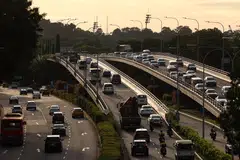
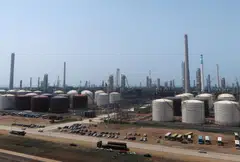
And the pressure is only expected to rise, with the combined shocks projected to peak in early 2027, especially given the expected impact of this year’s El Nino – where unusually warm ocean conditions can lead to floods and droughts that can worsen food insecurity.
In September, higher energy prices contributed to protests and social unrest in at least 10 countries, including Syria, Guatemala, the Philippines, France and Portugal, the report said.
An additional September survey of 26 UNDP offices around the world found that 25 of them expect the Middle East crisis to remain or become a greater priority in the next six months, and that all the agency’s locations predicted that “the worst is yet to come”. BLOOMBERG
Decoding Asia newsletter: your guide to navigating Asia in a new global order. Sign up here to get Decoding Asia newsletter. Delivered to your inbox. Free.
Share with us your feedback on BT's products and services