German industry lashes out at Trump’s ‘ludicrous’ demands
[BERLIN] German industry reacted with anger on Sunday to US President Donald Trump’s planned use of tariffs to crank up the pressure on Denmark to sell Greenland, calling on Europe not to cave in to his demands.
Trump’s threat to implement a wave of increasing tariffs on European allies until the US is allowed to buy the strategically important island derails a period of relative calm for businesses after Brussels and Washington agreed a trade deal last summer.
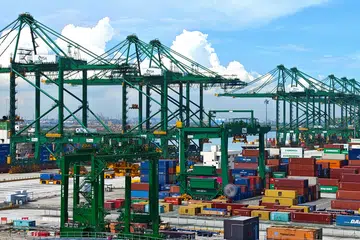
Germany is vulnerable to tariffs due to its export-focused economy, which is slowly emerging from two years of decline, with global trade tensions weighing on demand for its goods like cars, machinery and chemicals.
“If the EU gives in here, it will only encourage the US president to make the next ludicrous demand and threaten further tariffs,” said Bertram Kawlath, president of the German engineering association VDMA.
“Highly controversial political goals are being tied to economic sanctions in an unacceptable manner,” said Volker Treier, a foreign trade specialist at the German Chamber of Commerce and Industry (DIHK).
Exporters look to EU for strong response
Both called for a unified response from the European Union, joining a similar statement from the head of Germany’s VDA automotive association on Saturday. This could include the EU’s never-before-used “Anti-Coercion Instrument”, which allows the bloc to retaliate against third countries that put economic pressure on EU members to change their policies.
Saturday’s threat could derail tentative deals Trump struck last year with the European Union and Britain, which is also a target of the planned Greenland tariffs.
The VDMA and DIHK cast doubt on the likelihood that EU lawmakers would vote on the deal with Washington this month, principally involving the removal of many EU duties on US goods imported into the bloc.
SEE ALSO


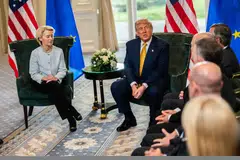
“The European Parliament cannot possibly decide on tariff cuts for the US next week as long as Washington is putting pressure on the European Union with new punitive tariffs,” Kawlath said.
Volkswagen, Mercedes already counting tariff costs
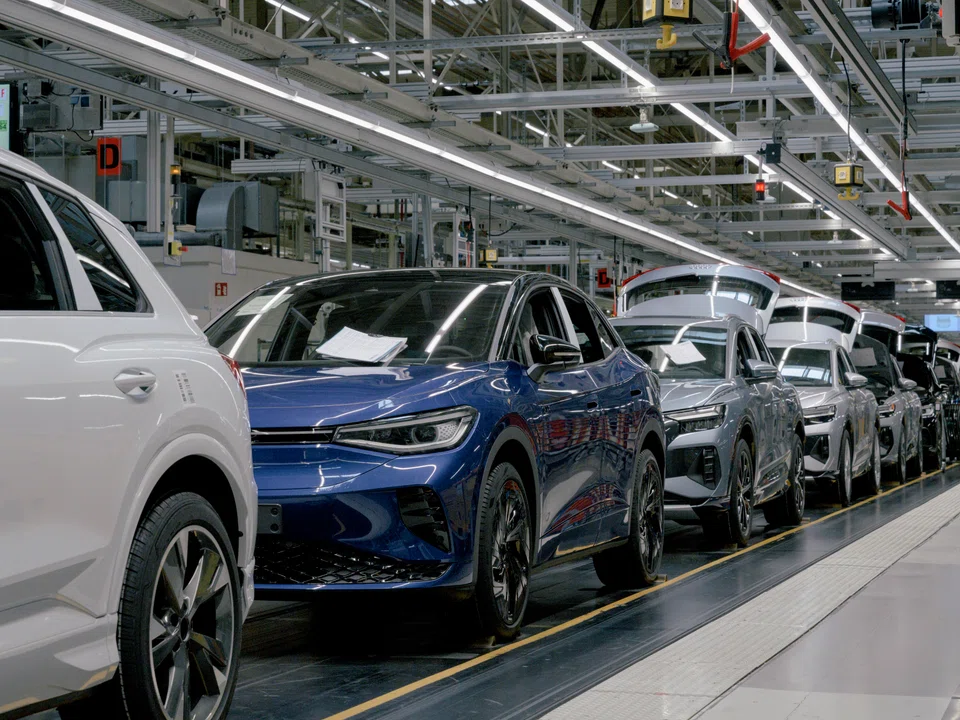
Trump’s current tariff regime - which charges a baseline levy of 15 per cent under the EU deal, but with higher rates for example on steel and aluminium products - has already weighed heavily on German companies, in particular its car industry, Europe’s largest.
Germany exported just over 135 billion euros (S$202.3 billion) worth of goods to the United States between January and November 2025, down 9 per cent on the same period the previous year, although the US remains Germany’s top export destination.
Volkswagen estimated the cost of tariffs at up to 5 billion euros in 2025. Fellow carmakers Mercedes-Benz and Porsche have also suffered, as well as chemicals group BASF.
A union leader in the German state of Lower Saxony, where Volkswagen is based, voiced his concern on Sunday, warning that even higher tariffs could jeopardise recovery in Europe’s largest economy at a time of industrial slowdown.
“This form of US trade policy does not create any winners. It harms consumers, employees, and companies alike - on both sides of the Atlantic,” said IG Metall’s Thorsten Groeger. REUTERS
Decoding Asia newsletter: your guide to navigating Asia in a new global order. Sign up here to get Decoding Asia newsletter. Delivered to your inbox. Free.
Share with us your feedback on BT's products and services