



Asia’s demand for Middle Eastern oil slows after three-week buying spree
Most refiners have already completed their orders for June and July
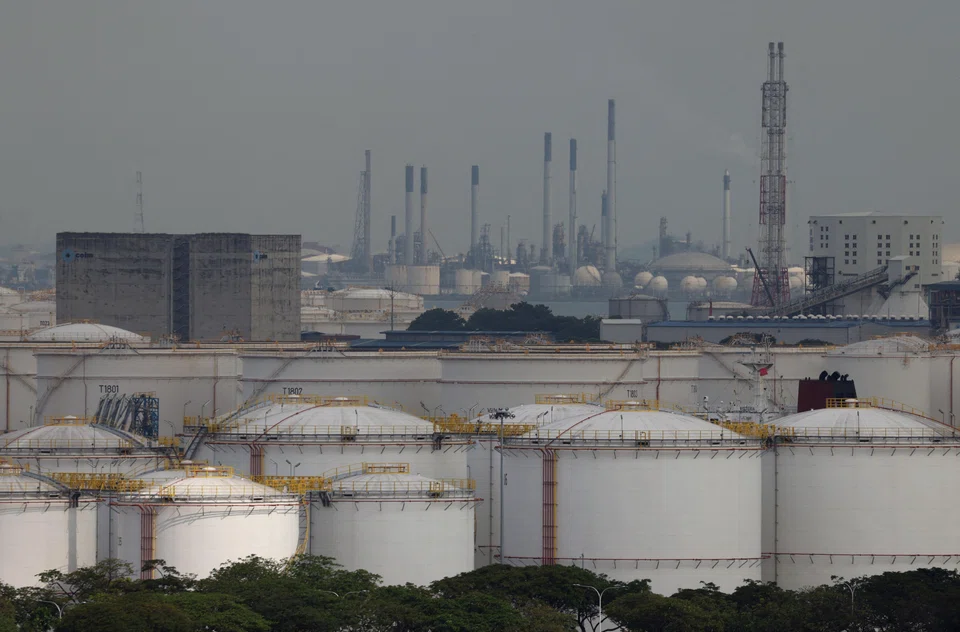
[SINGAPORE] Asian refiners have slowed purchases of Middle Eastern crude after a buying spree over the past three weeks, with oil majors and traders stepping in to take some of the surplus barrels.
Purchases from Abu Dhabi National Oil Co (Adnoc) eased after three rounds of tenders, with a fourth that closes this week set to show a similar pattern, said traders familiar with the matter. More barrels were snapped up by majors and trading houses including Shell and Mercuria Energy Group, they added.
Adnoc sold around 60 million barrels that will load over June to August across its first three tenders, most of which will flow to Asia. The offers are for grades that are loaded within the Persian Gulf, although buyers will be able to take cargoes via a ship-to-ship transfer outside of the Strait of Hormuz.
Shell and Adnoc declined to comment. Mercuria did not immediately respond to a request for comment.
Some of the barrels being sold in the latest Adnoc tender are expected to flow towards Europe, said the traders, who asked not to be identified as they are not authorised to speak publicly. That would follow a recent trend, which saw a wave of Middle Eastern oil heading in that direction as China stepped back.
Most refiners have already completed their orders for June and July, and available crude would need to be significantly discounted to prompt any more buying, traders said. Adnoc has also asked customers with long-term contracts to immediately resume loading supplies, crimping spot demand.
SEE ALSO


Iraq and Kuwait have also been ramping up output as producers position for a reopening of Hormuz, with talks over a lasting agreement to end the Iran war showing some progress. That has led to prices for Middle Eastern oil tumbling, with the forward curve of two of the region’s main benchmark grades – Dubai and Murban – now in a bearish contango structure.
A temporary US waiver allowing purchases of Iranian oil has added to swelling supply options, although complications surrounding the financing and insurance of cargoes remain and could be too risky for some refiners.
Some in the market are assessing whether storing crude could be an option for the impending wave of supply. Traders said freight costs remain too expensive for floating storage to be effective, but countries with sites on land should be able to easily accommodate surplus barrels. BLOOMBERG
Decoding Asia newsletter: your guide to navigating Asia in a new global order. Sign up here to get Decoding Asia newsletter. Delivered to your inbox. Free.
Share with us your feedback on BT's products and services
TRENDING NOW

Government to bring forward raising of retirement age, give employers more financial support to create flexi-load jobs

Indonesia stocks suffer worst plunge in nearly 30 years as MSCI proposes standalone status

If Europe goes to war, the fallout will be felt in East Asia
Natural gas to stay for the long haul beyond 2050: Singapore International Energy Week panellists

