



Britain joins trans-Pacific pact in biggest post-Brexit trade deal
The accession means Britain will be able to apply CPTPP trade rules and lower tariffs with eight of the 11 existing members from Dec 15
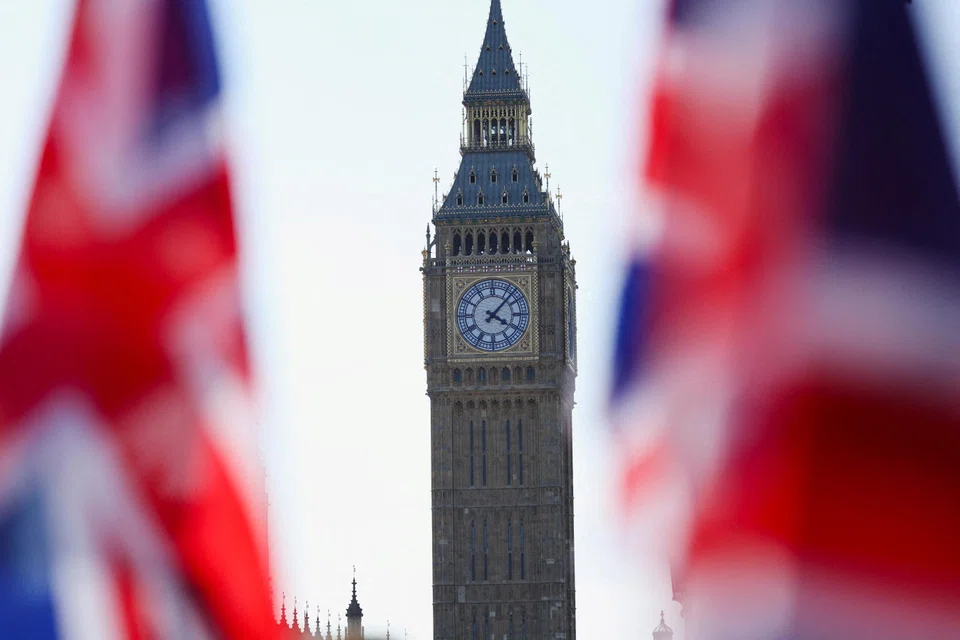
BRITAIN officially became the 12th member of a trans-Pacific trade pact which includes Japan, Australia and Canada on Sunday as it seeks to deepen ties in the region and build its global trade links after leaving the European Union.
Britain announced last year it would join the Comprehensive and Progressive Agreement for Trans-Pacific Partnership (CPTPP) in its biggest trade deal since Brexit.
The accession means Britain will be able to apply CPTPP trade rules and lower tariffs with eight of the 11 existing members from Sunday (Dec 15) – Brunei, Chile, Japan, Malaysia, New Zealand, Peru, Singapore, and Vietnam.
The agreement enters into force with Australia on Dec 24, and will apply with the final two members – Canada and Mexico – 60 days after they ratify it.
The pact represents Britain’s first free trade deals with Malaysia and Brunei, but while it had agreements with the other countries, CPTPP provisions go further, especially in giving companies choices on how to use “rules of origin” provisions.
The CPTPP does not have a single market for goods or services, and so regulatory harmonisation is not required, unlike the EU, whose trading orbit Britain left at the end of 2020.
Britain estimates the pact may be worth £2 billion (S$3.4 billion) a year in the long run – less than 0.1 per cent of GDP.
But in a sign of the strategic, rather than purely economic, implications of the pact, Britain can now influence whether applicants China and Taiwan may join the group.
The free trade agreement has its roots in the US-backed Trans-Pacific Partnership, developed in part to counter China’s growing economic dominance.

The US pulled out in 2017 under then-President Donald Trump and the pact was reborn as the CPTPP.
Costa Rica is the next applicant country to go through the process of joining, while Indonesia also aims to do so. REUTERS
Decoding Asia newsletter: your guide to navigating Asia in a new global order. Sign up here to get Decoding Asia newsletter. Delivered to your inbox. Free.
Share with us your feedback on BT's products and services
TRENDING NOW

Once staunchly pro-China, Malaysian Chinese businesses are now distancing themselves from Beijing

Britain’s mansion tax shows the difficulty of targeting wealth

Three hats, one goal: How Ng Kian Swan runs sustainability at NUHS

COE review: The gap between luxury and mass-market cars isn’t the only one worth bridging

