



Chinese airlines see hopes dim for profit return with Japan spat
China’s “Big Three” have racked up combined losses of 206.4 billion yuan (S$37.7 billion) from 2020 to 2024
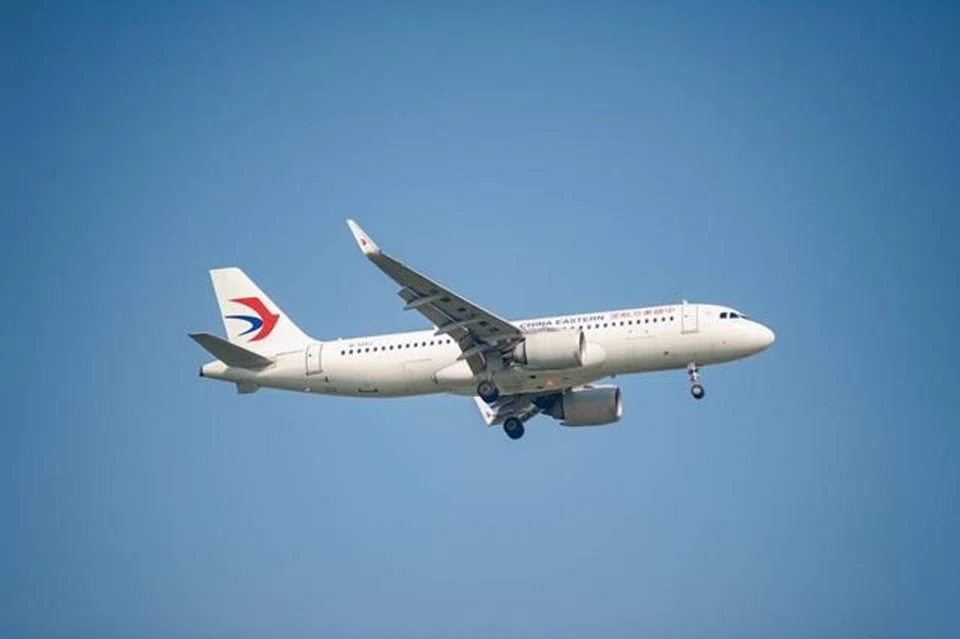
THE standoff between China and Japan threatens to exacerbate a seasonally weak period for Chinese airlines and make it harder for them to post their first annual profit in six years.
Tensions between Beijing and Tokyo have flared following Japanese Prime Minister Sanae Takaichi’s recent remarks on Taiwan, prompting China to order flight curbs to Japan, among economic retaliatory measures.
“This setback will undoubtedly result in an earnings hit, creating downside risk to current consensus projections,” said Jason Sum, an analyst at DBS Bank. He expects earnings pressure to continue through early 2026.
China Eastern Airlines is the biggest operator of flights between the two countries, leaving it more exposed than China Southern Airlines and Air China to a pullback in demand. Smaller, but profitable carriers like Spring Airlines and Juneyao Airlines are also vulnerable.
China’s “Big Three” have racked up combined losses of 206.4 billion yuan (S$37.7 billion) from 2020 to 2024, Bloomberg calculations show, dragged by the pandemic and intensifying domestic competition. China Eastern, China Southern, and Air China did not respond to emailed requests for comment.
Flight curbs would squeeze earnings further in an already fragile period, said HSBC Holdings analyst Parash Jain. Chinese airlines typically see more weakness this quarter as demand plunges following the National Day holidays in October, with no major holidays until the Lunar New Year holidays in January or February.
Mitigation strategies
Chinese airlines have sought to adapt quickly, with spare capacity being deployed to destinations like Thailand and South Korea. Relaxed visa policies for Chinese travelers to Russia also add opportunities for the nation’s carriers.
The number of daily scheduled flights to Japan from China was slashed by almost 50 per cent in December alone, Morgan Stanley said, citing data from airline schedule provider OAG. The average reduction through end-March is 38 per cent.


By contrast, scheduled bookings to Thailand have increased by almost 40 per cent from mid-January to offset Japan cuts.
Still, Japan has been the most profitable route in terms of passenger yield - the average revenue an airline earns per paying passenger for each mile flown - for Chinese airlines, which are already under a lot of yield pressure this year, according to Bloomberg Intelligence analyst Eric Zhu.
As the carriers shift capacity to other routes, there could be added pressure on their already weak passenger yields on their topline, Zhu said during an early December webinar. These changes are likely not material enough to show up in fourth-quarter earnings, but could have an impact in the first quarter, he added.
Still, there are signs of optimism in long-term fundamentals, as the stronger yuan makes it cheaper for Chinese airlines to buy jet fuel, whose prices have been falling.
While political reasons could impact the industry in the short-term, that should not pose a major drag as travellers can adapt with alternative destinations, said Cusson Leung, chief investment officer at KGI Asia.
Rising inbound travel is also one major growth driver for Chinese airlines, as they’re more able to apply tiered pricing strategies to international passengers, who are generally less cost-conscious than domestic leisure travellers, Morgan Stanley analysts led by Qianlei Fan wrote in a note.
Sustained recovery in business travel should further support airlines’ pricing power, they added. BLOOMBERG
Decoding Asia newsletter: your guide to navigating Asia in a new global order. Sign up here to get Decoding Asia newsletter. Delivered to your inbox. Free.
Share with us your feedback on BT's products and services
TRENDING NOW

Once staunchly pro-China, Malaysian Chinese businesses are now distancing themselves from Beijing

Britain’s mansion tax shows the difficulty of targeting wealth

Three hats, one goal: How Ng Kian Swan runs sustainability at NUHS

COE review: The gap between luxury and mass-market cars isn’t the only one worth bridging

