Eurozone companies expect new inflation surge if war lasts months: ECB poll
Businesses are raising their prices or announcing hikes, reflecting the surge in oil prices, the survey finds
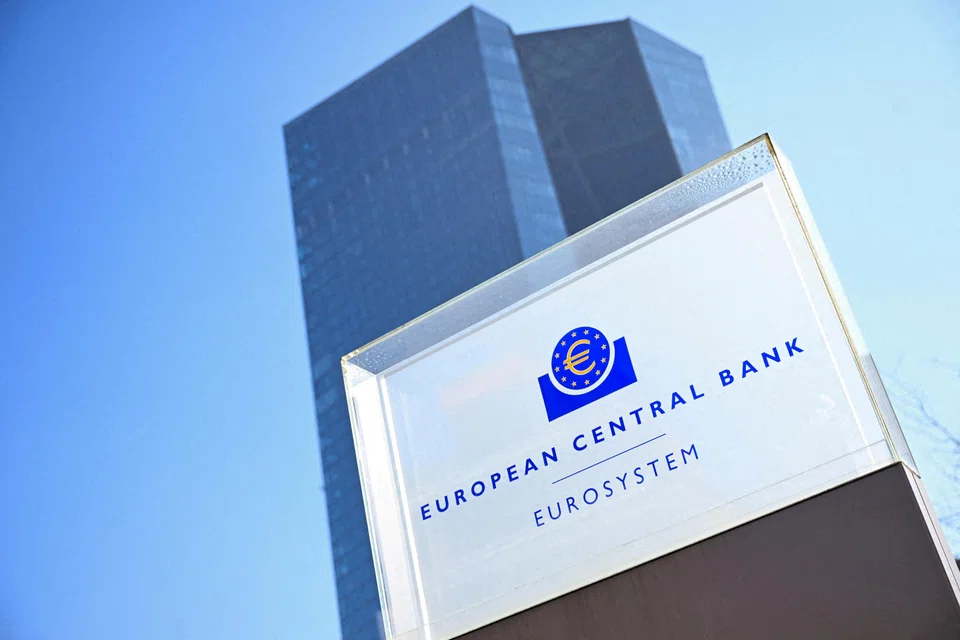
[FRANKFURT] Eurozone companies are anticipating the risk of a new inflation surge akin to that which occurred after the Covid-19 pandemic, a European Central Bank (ECB) survey showed on Monday (May 4).
This is if the war in Iran lasts months, disrupting the supply of fuel, hydrogen and helium.
The central bank left interest rates unchanged on Thursday but debated a hike to combat soaring inflation.
It also signalled that it might start raising borrowing costs in June.
The ECB’s quarterly survey of large companies found that those operating in air-travel, logistics, chemicals, plastics and packaging industries had already raised their prices, often by double-digit percentages, or announced hikes.
The increases reflect the surge in oil prices since the conflict started.
But a broader pass-through to other prices – more relevant for ECB policy – is likely to be more gradual than at the time of Russia’s invasion of Ukraine in 2022, because large companies have protected themselves against energy price swings.
The ECB said: “This hedging should limit the impact somewhat in the short term, as the pass-through of higher energy prices for these firms was less direct, coming mainly or only via smaller, unhedged suppliers seeking higher input prices.”
If the war and the associated disruptions to the Strait of Hormuz are not resolved soon, however, companies anticipate the risk of a new burst of inflation similar to that seen in 2022 to 2023, it added.


The central bank said: “A conflict lasting months rather than weeks, with the Strait of Hormuz remaining blocked and/or further attacks on oil and gas infrastructure, would result in global shortages – not only of fuel but also of many products requiring oil derivatives for their manufacture.”
Of the products requiring oil derivatives, the ECB cited hydrogen and helium.
Compared with the post-pandemic period, it indicated weak global demand, especially from China, the absence of an expected boom in services and a lower level of economic stimulus from fiscal spending as mitigating factors.
The ECB interviewed 67 companies outside the financial sector, mainly between Mar 23 and Apr 1. REUTERS
Decoding Asia newsletter: your guide to navigating Asia in a new global order. Sign up here to get Decoding Asia newsletter. Delivered to your inbox. Free.
Share with us your feedback on BT's products and services