



Global business leaders back faster electrification shift to cut fossil fuel costs and boost energy security
The shift will depend heavily on clear and predictable government policy and reforms
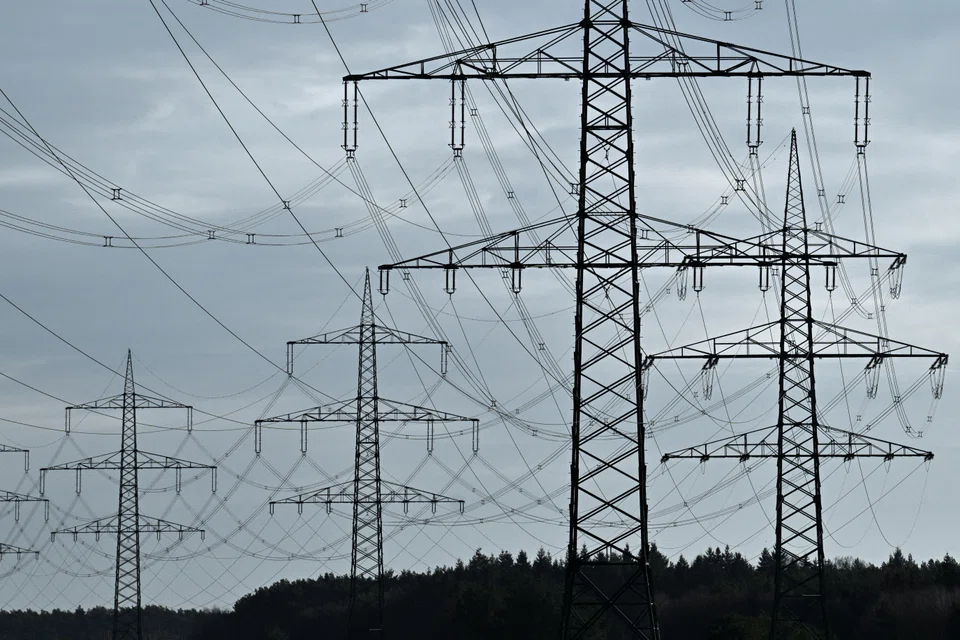
[LONDON] More than 100 companies including Nestle, Uber urge governments to make electrification central to economic strategy.
Companies including Nestle and Ikea on Monday (Jun 22) urged governments to make electrification central to their economic strategies, to help reduce exposure to volatile fossil fuel costs and bolster energy security.
In an open statement seen by Reuters and backed by 112 businesses from sectors including industrials, consumer goods and healthcare, they said exposure to fossil fuel-driven price shocks undermined competitiveness.
The group, with combined annual revenues of about US$1.5 trillion, also included Iberdrola, Volvo Cars and Uber, Mahindra Group, Nikon Corporation, and Levi Strauss.
“Continued reliance on volatile fuel markets exposes economies to disruptions that drive price spikes, destabilise supply chains and delay investment,” said the statement, coordinated by the We Mean Business Coalition and the Global Renewables Alliance.
However, making the shift would depend heavily on clear and predictable government policy and reforms, including improving electricity market design, investing in grids and speeding up permitting, it added. As many governments and companies reassess their energy strategies in response to price spikes, most recently those linked to the Iran conflict, the statement said volatility can translate into “persistent uncertainty”, higher operating costs and weaker competitiveness.
The intervention comes at the start of London Climate Action Week, with more than 75,000 people expected to attend 1,000-plus events, including leading policymakers, investors and company executives.
It also aligns with a push by Turkey, the hosts of the COP31 climate talks in November, for countries to agree a global target for electricity to supply 35 per cent of the world’s energy demand by 2035.
Many of the technologies required to electrify key sectors such as transport, buildings and industry are already commercially available, and would help to lower overall energy demand, the statement said.
SEE ALSO




“To reach the required scale, the transition to electrification notably needs to be accelerated through predictable and enabling policy frameworks,” said Kim Hellström, Senior Sustainability Climate Manager at retailer H&M. A poll released last week said 90 per cent of business leaders expected their operations to be electrified within a decade. REUTERS
Decoding Asia newsletter: your guide to navigating Asia in a new global order. Sign up here to get Decoding Asia newsletter. Delivered to your inbox. Free.
Share with us your feedback on BT's products and services
TRENDING NOW

Grab CEO’s wife Chloe Tong on life with Anthony Tan and finding her purpose

Hwa Seng Builder, two China companies win S$1.2 billion Tuas Road Viaduct phase two contracts

Deal between tycoon friends sparks scrutiny of Philippine power sector

Canada is upping oil flows to Asia, but South-east Asia’s refineries aren’t ready to handle them yet

